
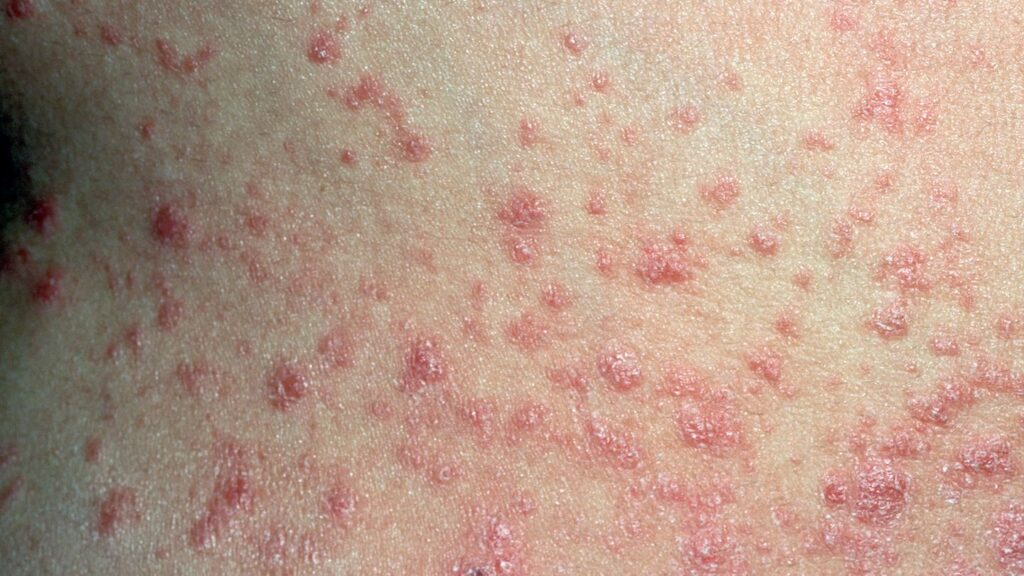
Psoriasis guttata, also known as psoriasis eruttiva, is a common skin condition affecting between 2% to 4% of the Western population. While the exact cause of psoriasis remains unknown, research suggests that it’s a complex interplay of genetic and environmental factors.
What is Psoriasis Guttata?
Psoriasis guttata is characterized by small, raised papules on the skin, typically red and scaly. These lesions can appear anywhere on the body, but they’re most commonly found on:
- Back
- Lower torso
- Arms and legs
- Scalp
- Genital area
- Neck
Unlike psoriasis a placque, which is characterized by thicker, more raised plaques with a white “cap” on top.
Causes of Psoriasis Guttata
While the exact cause of psoriasis guttata is still unknown, research suggests that it’s linked to:
- Infections: Bacterial infections, such as streptococcus, are often triggered by psoriasis guttata.
- Genetic factors: Psoriasis guttata tends to run in families, suggesting a genetic predisposition.
- Autoimmune response: The immune system plays a role in triggering the condition.
Symptoms of Psoriasis Guttata
The symptoms of psoriasis guttata can vary from person to person, but they often include:
- Small, raised papules on the skin
- Red and scaly lesions
- Itching or burning sensation
- Skin thickening
Treatment Options for Psoriasis Guttata
While there is no cure for psoriasis guttata, treatment options are available to manage symptoms. These include:
- Antibiotics: To treat bacterial infections that trigger the condition.
- Topical corticosteroids: To reduce inflammation and itching.
- Light therapy: Ultraviolet light therapy can help slow down skin cell growth and reduce symptoms.
- Systemic medications: In severe cases, systemic medications may be prescribed to control the immune system.
Dietary Recommendations for Psoriasis Guttata
A diet rich in omega-3 fatty acids, such as EPA and DHA, can help alleviate symptoms of psoriasis guttata. Foods that are high in these fatty acids include:
- Fatty fish (such as salmon and sardines)
- Flaxseeds
- Chia seeds
Other dietary recommendations for psoriasis guttata include:
- Eating a balanced diet rich in fruits, vegetables, and whole grains.
- Avoiding foods that trigger inflammation, such as dairy products and processed meats.
- Limiting caffeine intake.
Frequently Asked Questions
Q: Can psoriasis guttata be cured?
A: While there is no cure for psoriasis guttata, treatment options are available to manage symptoms and improve quality of life.
Q: What triggers psoriasis guttata?
A: Bacterial infections, such as streptococcus, are often triggered by psoriasis guttata. Genetic factors and autoimmune responses also play a role.
Q: How long does it take for psoriasis guttata to heal?
A: The duration of symptoms can vary from person to person, but it often takes several weeks or months for the condition to improve.
Q: Can psoriasis guttata be treated with natural remedies?
A: While some natural remedies may help alleviate symptoms, there is no substitute for medical treatment. Consult a healthcare professional before trying any new treatments.
Q: Is there a link between psoriasis guttata and other health conditions?
A: Yes, people with psoriasis guttata are at higher risk of developing other health conditions, such as celiac disease and rheumatoid arthritis.
Lifestyle Changes for Psoriasis Guttata
In addition to medical treatment, making lifestyle changes can help manage symptoms and improve quality of life. These include:
- Stress management: Stress can exacerbate psoriasis guttata symptoms. Practicing stress-reducing techniques, such as meditation or yoga, can help.
- Exercise regularly: Regular exercise can help reduce inflammation and improve overall health.
- Get enough sleep: Getting adequate rest is essential for skin health and immune function.
Psoriasis Guttata in Children
Children with psoriasis guttata may experience different symptoms than adults. These include:
- Small, raised papules on the skin
- Red and scaly lesions
- Itching or burning sensation
Treatment options for children with psoriasis guttata are similar to those for adults. However, they may require more frequent monitoring and adjustments in treatment.
Psoriasis Guttata and Mental Health
People with psoriasis guttata may experience mental health issues, such as anxiety and depression. These can be caused or exacerbated by the condition itself or by the emotional impact of living with a chronic skin disease.
Seeking support from a mental health professional or joining a support group can help manage these symptoms and improve overall well-being.
Conclusion
Psoriasis guttata is a common skin condition that requires medical attention. By understanding its causes, symptoms, and treatment options, individuals can take control of their condition and improve their quality of life.


