
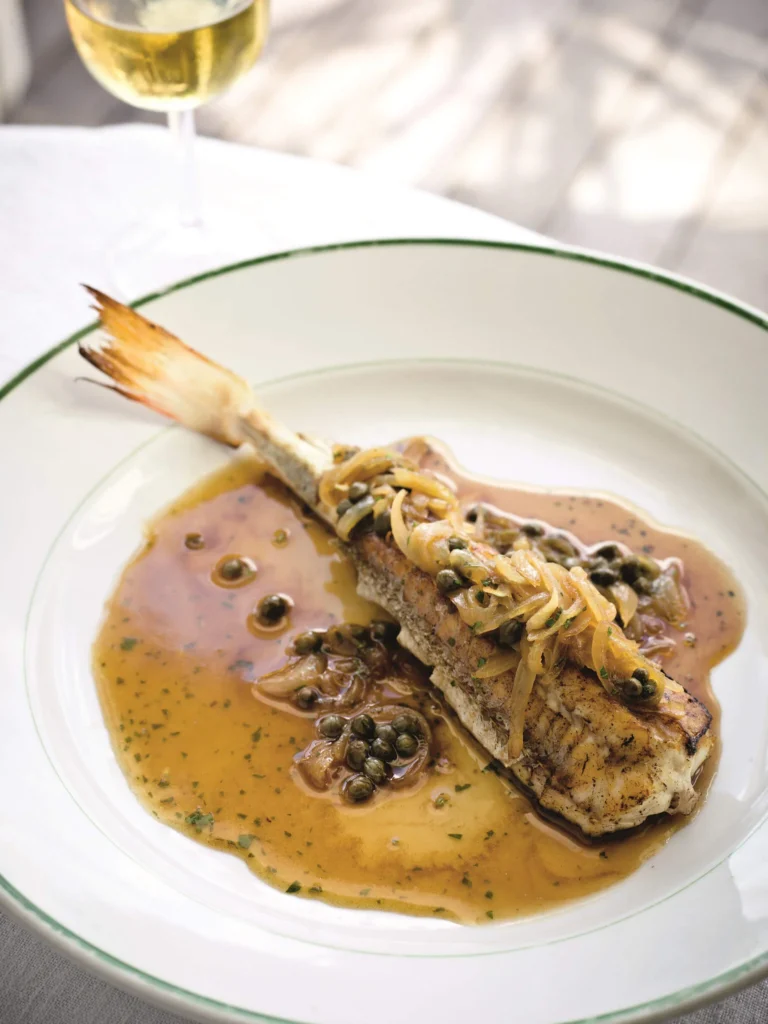
In the vast expanse of the Mediterranean, there exists a delicacy that has captivated the palates of food connoisseurs for centuries. The sea gallinella, also known as the capon fish, boasts tender white flesh that is nothing short of sublime. Whether you’re a seasoned chef or an adventurous home cook, this article will guide you through the process of preparing and cooking the perfect sea gallinella dish.
Understanding Sea Gallinella
Sea gallinella is a Mediterranean delicacy that thrives in the region’s waters. Its lean flesh makes it an ideal choice for a variety of culinary preparations. However, there are some crucial considerations when working with this ingredient:
- Avoid high-heat cooking methods: The delicate texture of sea gallinella can easily become overcooked and dry.
- Filets are the way to go: Slicing the fish into filets allows for even cooking and a more refined presentation.
Preparing Sea Gallinella Filets
To unlock the full potential of your sea gallinella, it’s essential to follow these steps:
- Evisceration: Begin by removing the innards from the fish.
- Scaling: Use a pair of scissors or a sharp knife to remove any remaining scales.
- Cleaning: Rinse the fish under cold water to remove any impurities.
- Filleting: Using a sharp, flexible knife, carefully slice the fish into filets.
Tips for Filleting Sea Gallinella
- Use a pair of clean, sharp knives to ensure a smooth cutting process.
- Work on one side of the fish at a time to maintain evenness.
- Remove any bones or bloodlines before proceeding with filleting.
Cooking Sea Gallinella Filets
Now that you’ve successfully filleted your sea gallinella, it’s time to explore various cooking methods:
- Pan-searing: A classic technique for achieving a crispy crust on the outside while maintaining tender flesh.
- Baking: A low-maintenance option for those looking to prepare a more hands-off dish.
Sea Gallinella Recipes
Here are some mouth-watering recipes to inspire your culinary journey:
- Pan-Seared Sea Gallinella with Olive Oil and Lemon
- 4 filets of sea gallinella
- 3 tablespoons olive oil
- 2 lemons, juiced
- Salt and pepper to taste
FAQs
Are you ready to dive into the world of sea gallinella cooking? Here are some frequently asked questions to help you get started:
- Q: What is the best way to store sea gallinella after purchase?
A: Store the fish in a sealed container or bag, keeping it refrigerated at a consistent temperature below 40°F (4°C). - Q: How often should I clean my knives before use?
A: Clean your knives immediately after each use to prevent cross-contamination and maintain sharpness. - Q: Can I freeze sea gallinella for later use?
A: Yes, but it’s essential to follow proper freezing techniques to preserve the fish’s texture and flavor.
Conclusion
The delicate flavors of sea gallinella await your culinary expertise. By following these guidelines and experimenting with various recipes, you’ll be well on your way to becoming a master of this Mediterranean delicacy. So go ahead, take a bite, and let the symphony of flavors transport you to the sun-kissed shores of the Mediterranean.
Advanced Sea Gallinella Recipes
Take your sea gallinella cooking to the next level with these advanced recipes:
- Sea Gallinella Risotto
- 4 filets of sea gallinella
- 2 cups Arborio rice
- 4 cups fish broth, warmed
- 2 tablespoons olive oil
- Salt and pepper to taste
Tips for Advanced Sea Gallinella Cooking
- Use a flavorful fish broth to enhance the dish’s umami flavor.
- Add a sprinkle of parsley or thyme to add freshness and depth.
Sea Gallinella Pairings
Pair your sea gallinella with complementary ingredients to elevate the dish:
- Lemon-Herb Quinoa
- 1 cup quinoa, rinsed
- 2 cups water
- 2 tablespoons olive oil
- 2 lemons, juiced
Sea Gallinella and Wine Pairings
Experience the perfect pairing of sea gallinella with a glass of wine:
- Grilled Sea Bass with White Wine
- 4 filets of sea bass
- 3 tablespoons olive oil
- 2 lemons, juiced
Sea Gallinella Safety Precautions
To ensure food safety and enjoyment, follow these precautions when handling sea gallinella:
- Handle with care: Be gentle when handling the fish to avoid damaging its delicate flesh.
- Store properly: Store the fish in a sealed container or bag, keeping it refrigerated at a consistent temperature below 40°F (4°C).
- Cook thoroughly: Cook the fish until it reaches an internal temperature of at least 145°F (63°C) to prevent foodborne illness.
By following these guidelines and exploring the world of sea gallinella cooking, you’ll unlock a wealth of culinary possibilities. So go ahead, take a bite, and let the symphony of flavors transport you to the sun-kissed shores of the Mediterranean.



