
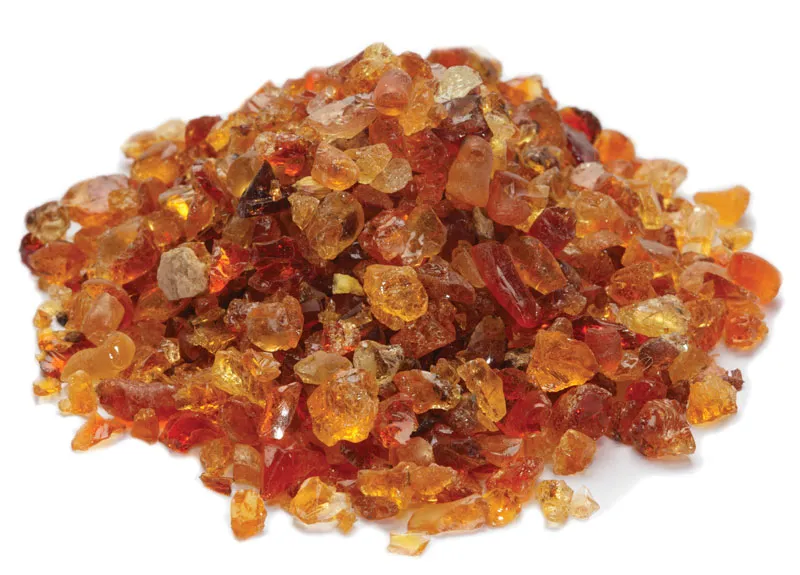
Gomma arabica, a natural substance extracted from the trunk and branches of certain Acacia species, such as Acacia senegal or Acacia varek, has been used for centuries in various industries. This versatile substance is prized for its unique properties, which make it an essential component in food, pharmaceutical, cosmetic, and artistic applications.
What is Gomma Arabica?
Gomma arabica is a natural adhesive and emulsifier derived from the sap of Acacia trees. It has been used by humans for thousands of years, with records of its use dating back to ancient Egypt and China. The substance was highly valued in these cultures due to its versatility and effectiveness in various applications.
History of Gomma Arabica
Gomma arabica has a rich history that spans centuries. In the 17th century, it was used extensively in the production of cosmetics and perfumes. In the 18th century, it became a popular ingredient in the pharmaceutical industry. Today, gomma arabica is used in various industries around the world.
Properties of Gomma Arabica
Gomma arabica has several unique properties that make it an essential component in many applications:
- Adhesive: Gomma arabica can form strong bonds with a variety of materials, including plastics, metals, and textiles.
- Emulsifier: It can combine oil and water-based substances, creating stable emulsions.
- Thickener: Gomma arabica can thicken liquids and suspensions, improving their texture and consistency.
- Moisturizer: It has moisturizing properties, making it an effective ingredient in personal care products.
Applications of Gomma Arabica
Gomma arabica is employed in multiple sectors, including:
- Food industry: as a stabilizer, emulsifier, and texturizer in various products such as soft drinks, candies, and baked goods.
- Pharmaceutical industry: as an excipient, coating agent, or thickener in medications.
- Cosmetic industry: as a skin moisturizer, emollient, and texture enhancer in personal care products.
- Artistic applications: by artists who use it to create unique effects with acrylics, lithography, and shoe polish.
The Origins of Gomma Arabica
Gomma arabica is primarily sourced from the following regions:
- Nile: Known for its high-quality gomma arabica.
- Somalia: Produces a distinctive type of gomma arabica.
- Marocco: Has a reputation for producing excellent gomma arabica.
- Australia: Although not as prominent, Australia also produces gomma arabica.
- Senegal: As the largest producer of gomma arabica globally.
Gomma Arabica in Food and Beverages
In food products, gomma arabica serves several purposes:
- Prevents sugar crystallization
- Enhances emulsification and distribution of fats
- Stabilizes foams
- Maintains flavor, aroma, and color uniformity
Gomma arabica is also used in the production of various food items, such as:
- Caramels
- Jellies
- Marshmallows
- Ice cream
Gomma Arabica in Pharmaceuticals
In pharmaceutical applications, gomma arabica serves several purposes:
- Excipient: it can enhance the solubility and stability of drugs.
- Coating agent: it can coat pills or tablets to improve their appearance and bioavailability.
- Thickener: it can thicken suspensions or emulsions to improve their texture and consistency.
Gomma arabica is used in a variety of pharmaceutical products, such as:
- Tablets
- Capsules
- Suspensions
- Emulsions
Gomma Arabica in Cosmetics
In cosmetic applications, gomma arabica serves several purposes:
- Skin moisturizer: it can hydrate and soften skin.
- Emollient: it can improve the texture and appearance of skin.
- Texture enhancer: it can add a pleasant texture to cosmetics.
Gomma arabica is used in a variety of cosmetic products, such as:
- Moisturizers
- Lotions
- Creams
- Shampoos


