
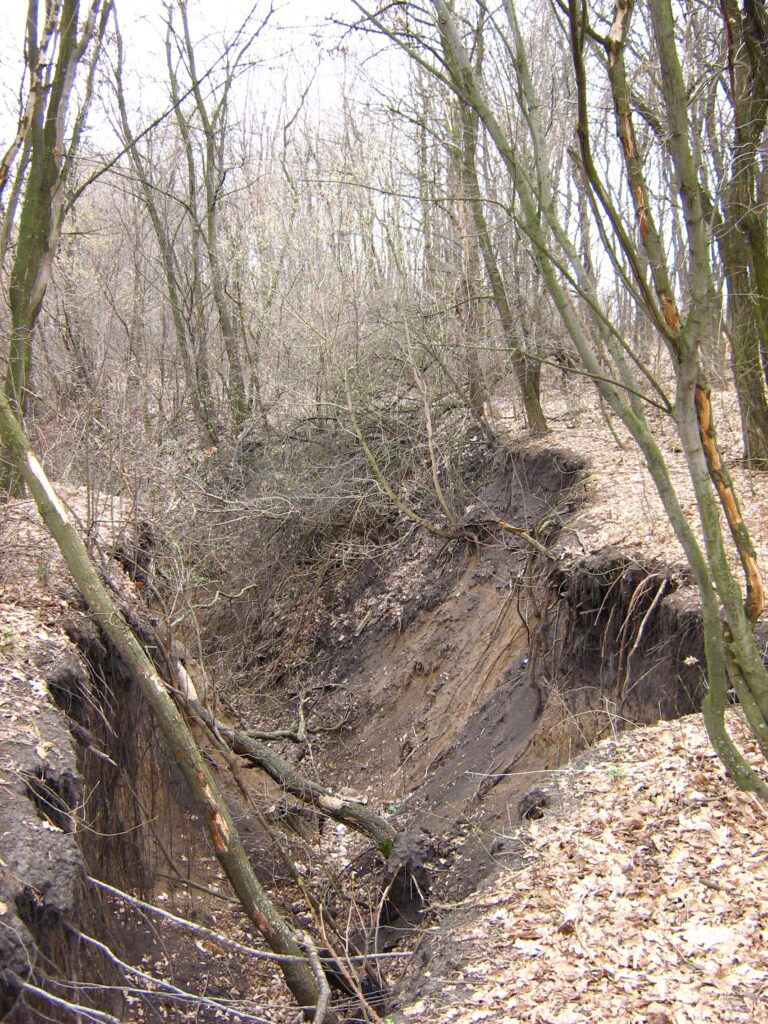
What are Calanchis?
Calanchis are a unique phenomenon related to soil erosion that can be found primarily in Italy, particularly in Basilicata and Tuscany, but also in other lesser-known regions. These natural landscapes are often compared to scenes from epic or fantasy films, yet they are real and remarkably close to us.
The term “calanchi” comes from the Italian word for “gullies,” which accurately describes their appearance. Calanchis are characterized by deep grooves in the soil along the slope of a mountain or hill, formed through the process of dilavement on argillaceous rocks. These rocks, not covered or circumscribed by vegetation, expose themselves more to the phenomenon of running-off and erosion.
The Meaning of Calanchis
At first glance, calanchis resemble rough terrain, but upon closer inspection, they reveal their excitement and usefulness for observing all stages of argillaceous evolution. Among the systems of calanchis found in areas subject to significant erosion, one characteristic feature is “lama de coltello” – thin ridges that are the initial stage of erosion shaping the land into various curved shapes.
Calanchis: A Definition
From a geomorphological study perspective, calanchis can be defined as the result of soil erosion caused by dilavement on argillaceous rocks. These rocks, not covered or circumscribed by vegetation, expose themselves more to the phenomenon of running-off and erosion. Alternatively, calanchis can simply be described as deep grooves in the soil along the slope of a mountain or hill.
Calanchis of Sillaro Valley
In Bologna province, near the River Sillaro (also known as “Sèlar” in Romagnol and “Sàrel” in Emilian), we find an interesting system of calanchis. Over time and water, this river has created formations characterized by calanchi that can be reached and explored.
The Sillaro Valley is a unique example of how the combination of geological and hydrological factors can shape the landscape into fascinating calanchi formations. The river’s flow has carved out deep grooves in the soil, creating a landscape with steep sides and narrow valleys.
Calanchis of Atri
Located in a nature reserve dedicated to them, the calanchi of Atri are among the most famous and protected areas in Italy. Established in 1995, this reserve covers approximately 380 hectares and is managed by WWF through a cooperative. Visitors can explore not only the calanchi but also stunning flora and fauna, including wild gladiolus, capers, licorice, willows, poplars, sambucus, vitalba, pheasants, goshawks, and sparrows.
The Atri calanchi reserve is a haven for wildlife enthusiasts, offering a glimpse into the region’s unique biodiversity. The reserve’s protected status ensures that the natural habitats of these species are preserved, allowing visitors to observe them in their natural environment.
Calanchis in Basilicata
In Basilicata, we find the largest area of calanchis in Italy, along the western slope of the hill on which Montalbano Jonico town is located. This region often underestimated by many, boasts unique geological features that make it a prestigious destination from various perspectives: aesthetic, environmental, archaeological, and cultural.
Basilicata’s calanchi are formed through the erosion of argillaceous rocks, which have been shaped over millions of years by the forces of nature. The resulting landscape is characterized by deep grooves, steep sides, and narrow valleys, creating a unique and breathtaking scenery.
Protecting Calanchis
Fortunately, this site is protected by the Montalbano Jonico Regional Reserve established in 2011. Visitors can admire the deep incisions created by erosion over time, seamlessly integrated into a landscape with cultivated fields, Mediterranean scrub forests, pine, and cypress trees.
The protection of calanchi reserves like Montalbano Jonico is essential for preserving their natural beauty and ecological significance. By safeguarding these areas, we can ensure that future generations can continue to appreciate the breathtaking beauty of calanchis.
The Power of Nature
It’s not uncommon for visitors to create suggestive places when interacting with nature; an example is the Tempa Petrolla geosite, an isolated rock outcrop that rises in a sea of clay. The calanchi zone in Basilicata also fascinates those studying vegetation and fauna due to its peculiar climatic conditions, which allow rare protected botany to thrive.
The natural world has a way of inspiring awe and wonder in us, reminding us of the incredible beauty and diversity that surrounds us. By exploring calanchis, we can gain a deeper appreciation for the power of nature and our place within it.
The Importance of Calanchis
On the fauna side, this area is a stopover and breeding ground for various bird species, earning it recognition as an Important Bird Area at the European level. Additionally, the town of Montalbano has a historic center that is essentially an “open-air museum” with its Roman foundation, well-conserved walls, several historical palaces, churches, and chapels.
Calanchis are also significant for their ecological value, providing habitats for rare and threatened species. By protecting these areas, we can help preserve the natural balance of ecosystems and maintain biodiversity.
Calanchi Images
The search for images of calanchis reveals not only those in the Montalbano Jonico Reserve but also similar formations in Val d’Orcia in Tuscany and Caltagirone in Sicily. These images showcase the unique beauty of calanchis, highlighting their complex shapes and intricate patterns.
Conclusion
Calanchis are a breathtaking natural wonder that deserves our attention and appreciation. These unique landscapes offer a glimpse into the power of erosion, revealing hidden treasures beneath our feet. By exploring calanchis, we can gain a deeper understanding of the complex relationships between geology, climate, and vegetation.
As we continue to explore and appreciate the beauty of calanchis, we must also recognize their importance for ecosystems and biodiversity. By protecting these areas, we can ensure that future generations can continue to marvel at the natural wonders of our world.
Frequently Asked Questions
- What are calanchis?
Calanchis are natural landscapes formed by soil erosion, typically found in Italy’s Basilicata and Tuscany regions. - How are calanchis created?
Calanchis are created through the effect of dilavement on argillaceous rocks, which exposes them to running-off and erosion. - What can be found in calanchi zones?
Calanchi zones often feature unique flora and fauna, including rare protected botany and bird species. - Why are calanchis important?
Calanchis are significant due to their aesthetic, environmental, archaeological, and cultural value, making them a prestigious destination. - How are calanchis protected?
The Montalbano Jonico Regional Reserve protects these areas by safeguarding the unique geological features of Basilicata. - What can visitors expect in calanchi reserves?
Visitors can explore stunning landscapes, flora, and fauna, as well as historic centers with Roman foundations and cultural significance. - Can calanchis be found elsewhere?
Yes, similar formations can be found in Val d’Orcia in Tuscany and Caltagirone in Sicily. - How can I learn more about calanchis?
By exploring the Montalbano Jonico Reserve, visiting calanchi zones, and researching their geological and ecological significance.
Additional Resources
For those interested in learning more about calanchis, there are several additional resources available:
- The Italian Ministry of Cultural Heritage and Activities (MiBACT) website provides information on calanchi reserves and protected areas.
- The WWF website has a section dedicated to the Montalbano Jonico Reserve and its unique biodiversity.
- The scientific journal “Climatic Change” published research on the geological and ecological significance of calanchis.
By exploring these resources, we can gain a deeper understanding of the natural wonders that surround us and appreciate the beauty of calanchis for generations to come.


