
Aromatic herbs are the unsung heroes of our culinary world. They add depth, complexity, and a dash of excitement to even the simplest dishes. Why not create your own little slice of heaven in your garden or on your balcony?
There are aromatic herbs like rosemary and parsley that can be used year-round, while others like basil require only the best seasons. Fortunately, there are preservation methods that allow you to enjoy these herbs all year round.
Preservation Techniques for Aromatic Herbs
Drying
Drying is a natural method of preserving aromatic herbs that preserves their flavor and aroma. Unlike other drying methods, this technique does not affect the herbs’ properties.
Here’s how to dry your herbs:
- Harvesting: Harvest your herbs in the morning, ensuring they are intact.
- Removal: Remove any wilted or damaged leaves from the bunch.
- Rinsing: Rinse the herbs with running water to remove excess moisture and dirt.
Drying Your Herbs
To dry your herbs:
- Create a small bundle of the herb, making sure it’s not too dense: ensure all stems have roughly equal length
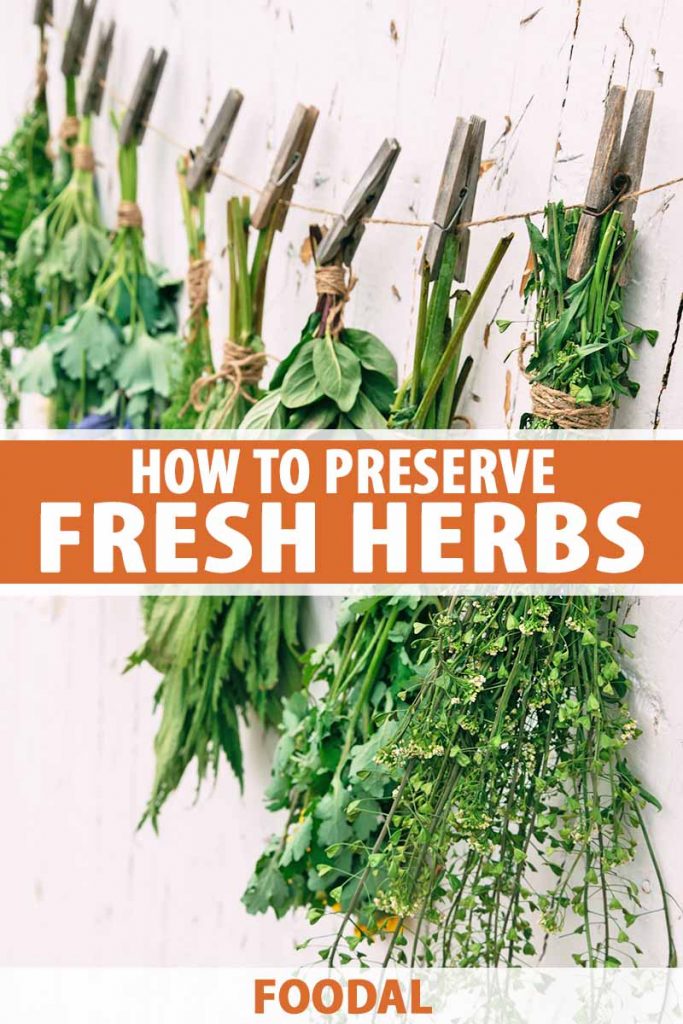
- Tie the bundle with kitchen twine and hang upside down in a shaded area, away from direct sunlight and humidity.
- Alternatively, you can surround the bunch with a thick mesh net or a layer of fabric.
The drying time varies depending on the herb and temperature: it usually takes between 5 days and four weeks for herbs to dry out completely, at which point they will crumble.
Using Your Oven
If you prefer a faster drying method, use your oven. Place the herbs on a baking sheet in the lowest rack, with the lowest temperature allowed by your oven. Keep the oven door open occasionally to prevent moisture buildup. Shake the herbs frequently during the process.
Storing Your Dried Herbs
Once your herbs are dry and crumbly, store them in airtight containers labeled and kept in a dry place for up to a year.
For more information on drying aromatic herbs, read our article “How to Dry Aromatic Herbs”
Freezing
Some aromatic herbs like basil and parsley freeze well. Here’s how:
- Washing: Wash the herbs under running water.
- Drying: Dry the herbs thoroughly with a clean towel or paper towels.
Freezing Your Herbs
To preserve your frozen herbs, follow these steps:
- Create small bunches of fresh herbs and tie them together using twine or wire.
- Place the herb bundles in ziplock bags or airtight containers to prevent freezer burn.
- When ready to use, add the desired amount of frozen herbs directly into your cooking pot.
Frozen Herb Cubes
Alternatively, you can freeze herb cubes by placing fresh herbs in ice cube trays and covering them with water. Once frozen, transfer the cubes to airtight bags or containers for future use. Frozen herb cubes are easy to measure out without having to thaw first.
Infusing Herbs in Oil
To preserve aromatic herbs in oil, follow these steps:
- Washing: Wash the herbs under running water.
- Drying: Dry the herbs thoroughly with a clean towel or paper towels.
- Cutting: Cut the dried herbs into small pieces.
Preserving Herbs in Oil
To preserve your aromatic herbs in oil, follow these steps:
- Fill an empty bottle with olive oil.
- Add the herb pieces to the bottle.
- Seal and label the container.
Infused Oils and Vinegars
You can also use this method to create infused oils and vinegars that will last for months or even years when stored properly.
For more information on infusing herbs in oil, read our article “How to Infuse Herbs in Oil”
Dehydrating
Dehydrating is another way to preserve aromatic herbs. This technique works well for delicate herbs like mint and chamomile.
Here’s how to dehydrate your herbs:
- Preheating: Preheat the oven or dehydrator according to the manufacturer’s instructions.
- Removing moisture: Remove any excess moisture from the herbs by gently patting them dry with a paper towel.
- Drying: Dry the herbs in the oven or dehydrator until they reach your desired level of dryness.
Storing Dehydrated Herbs
Once your herbs are completely dry, store them in airtight containers labeled and kept in a cool, dark place for up to six months.
For more information on dehydrating aromatic herbs, read our article “How to Dehydrate Aromatic Herbs”
Syrup
To preserve aromatic herbs in syrup, follow these steps:
- Washing: Wash the herbs under running water.
- Cutting: Cut the fresh herbs into small pieces.
Preserving Herbs in Syrup
To preserve your aromatic herbs in syrup, follow these steps:
- Combine the herb pieces with sugar and water to make a syrup.
- Boil the mixture until it reaches your desired level of concentration.
- Strain the syrup through a fine-mesh sieve into an airtight container.
Using Your Herb Syrup
You can use your herb syrup in tea, cocktails, or even as a topping for pancakes and waffles.
For more information on preserving herbs in syrup, read our article “How to Preserve Herbs in Syrup”
Infused Vinegar**
To preserve aromatic herbs in vinegar, follow these steps:
- Washing: Wash the herbs under running water.
- Cutting: Cut the fresh herbs into small pieces.
Preserving Herbs in Vinegar
To preserve your aromatic herbs in vinegar, follow these steps:
- Combine the herb pieces with white or apple cider vinegar to make a brine solution.
- Store the brine solution in an airtight container at room temperature for up to six months.
For more information on infusing herbs in vinegar, read our article “How to Infuse Herbs in Vinegar”
Curing
To preserve aromatic herbs using curing methods, follow these steps:
- Washing: Wash the herbs under running water.
- Drying: Dry the herbs thoroughly with a clean towel or paper towels.
Preserving Herbs Using Curing
To preserve your aromatic herbs using curing methods, follow these steps:
- Combine the herb pieces with salt to make a cure mixture.
- Store the cured herbs in an airtight container at room temperature for up to six months.
For more information on preserving herbs using curing methods, read our article “How to Preserve Herbs Using Curing Methods”
Tips and Tricks
- Harvesting: Harvest your herbs in the morning, ensuring they are intact.
- Storage: Store dried or frozen herbs in airtight containers labeled and kept in a dry place for up to a year.
- Freshness: Use fresh herbs when possible to ensure optimal flavor and aroma.
- Variety: Experiment with different types of aromatic herbs to find your favorites.
Conclusion
Preserving aromatic herbs is an art that requires patience, creativity, and attention to detail. With the right techniques and tools, you can enjoy these fragrant herbs all year round, no matter where you live or when they’re in season. Whether you prefer drying, freezing, infusing, dehydrating, or curing, there’s a preservation method for every type of herb. So go ahead, get creative, and start preserving those aromatic herbs today!


