
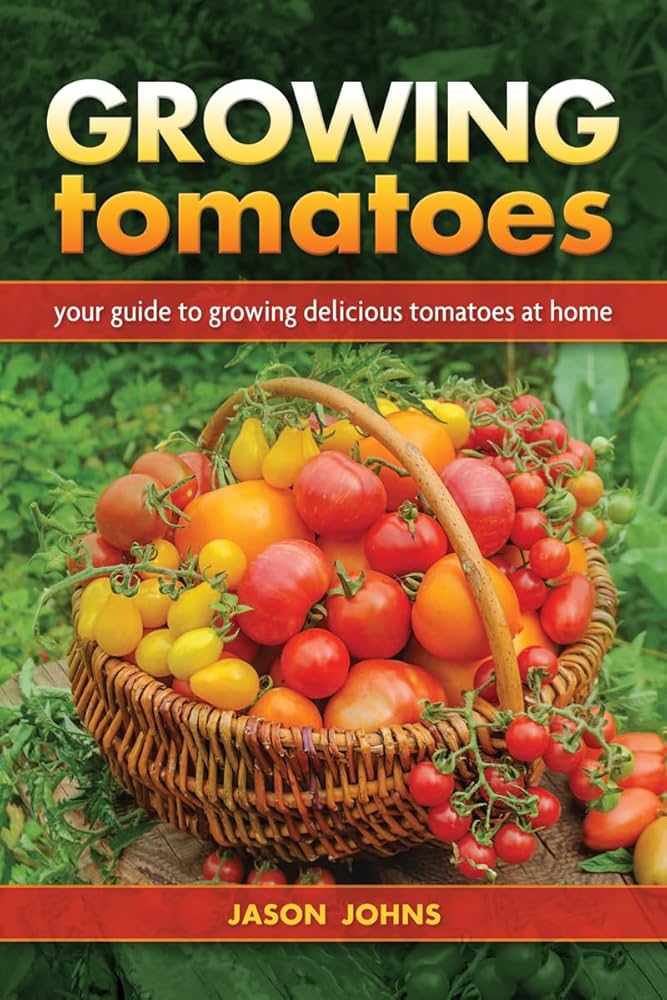
As we all know, tomatoes are an essential ingredient in many recipes and are rich in micronutrients necessary for our overall health. While they’re widely available in stores, it’s always best to choose fresh ones with a guarantee of quality. To ensure the highest quality, consider growing your own tomatoes at home!
Why Grow Tomatoes at Home?
Growing tomatoes at home allows us to enjoy the benefits of pesticide-free products and other chemicals used in industrial production. This article will guide you through the process of cultivating tomatoes in your house, even during winter.
In addition to the environmental benefits, growing tomatoes at home can also save you money on grocery bills. A single tomato plant can produce a significant amount of fruit, making it a cost-effective option for home cooks and gardeners alike.
Choosing the Right Vase
When it comes to growing tomatoes at home, selecting the right vase is crucial. A minimum height of 45 cm (18 inches) and a proportionate width are recommended for optimal growth. For ease of movement, choose a plastic vase. Do not forget to place a saucer or plate under the vase to collect excess water.
The vase should also have drainage holes on the bottom side to prevent waterlogged soil. To avoid the substrate falling into these holes, place a small mesh at the bottom of the vase. This will help prevent the roots from becoming waterlogged and reduce the risk of root rot.
Preparation of the Soil
Avoid using garden soil from your yard as it may contain fungi and viruses that can harm the plant. Instead, prepare a mix with 60% coconut fiber and 40% worm castings or purchase a tomato-specific potting soil. These will provide optimal nutrients for healthy growth.
Tomato plants require well-draining soil to prevent waterlogging and root rot. The ideal pH range for tomatoes is between 6.0 and 7.0, making it slightly acidic to neutral. Avoid using soils with high levels of organic matter, as they can be difficult for the roots to penetrate.
Planting the Tomato Seedling
- Fill one-third of the vase with the prepared mixture.
- Place the tomato seedling in the vase, then add more soil until it covers the roots.
- Gently press down on the soil to support the plant.
Watering the Tomato Plant
After planting, thoroughly water the tomato seedling to moisten the soil. Avoid watering the leaves, stem, and base of the plant; instead, focus on the soil around the roots. As time passes, you won’t need to water every day. Check the soil regularly and only provide enough water when it’s slightly damp.
Watering is crucial in tomato cultivation, especially when growing at home. It’s recommended to add a little less water each time and allow some time for drying between waterings. This will ensure that your tomatoes receive just the right amount of moisture.
Supports and Ties
To help the plant grow straight and sturdy, install supports around it. Tomato plants can become quite large, so make sure to use compact varieties when growing in a small space. Use a tomato tie to gently hold the branches while they’re still young.
As the plant grows, you’ll need to provide support to prevent it from becoming too top-heavy. You can use tomato cages or stakes made of wood or metal. Make sure the supports are securely attached to the plant and won’t damage the stem.
Fertilizing Tomatoes
When selecting a fertilizer for your tomatoes, be aware that not all fertilizers are created equal! Choose one specifically designed for tomatoes and follow its instructions carefully. A balanced fertilizer with nitrogen (N), phosphorus (P), and potassium (K) will support healthy growth.
One excellent choice is Maxicrop Tomato Fertilizer. Available on Amazon at a price of $11.76, this 1 kg package offers great value! When fertilizing your tomato plant, sprinkle a small amount around the soil every few days, increasing as needed based on the size of your vase.
Maturity and Harvesting
As tomatoes mature, you’ll be able to pick them. However, keep in mind that some tomato varieties won’t fully ripen; if this happens, cut the fruit from the plant and store it in a cool place until it’s completely ripe.
Growing tomatoes at home can be done year-round with the right conditions! To do so successfully, ensure your vase is placed near a window with southern or southwestern exposure. The ideal temperature for tomato cultivation is between 18°C (64°F) and 24°C (75°F).
Pest Control
As you grow your tomatoes at home, you’ll need to be mindful of pests that can harm your plants. Some common pests include aphids, whiteflies, and spider mites.
To prevent pest infestations, ensure good air circulation around your plant and keep it clean by removing any debris or weeds nearby. You can also use organic pest control methods like neem oil or insecticidal soap to manage pest populations.
Common Problems
Growing tomatoes at home can be challenging, especially for beginners. Here are some common problems you may encounter:
- Yellowing leaves: This can be caused by overwatering, underwatering, or nutrient deficiencies.
- Slow growth: This can be caused by inadequate light, poor soil quality, or insufficient fertilization.
- Fungal diseases: These can be caused by high humidity, poor air circulation, or contaminated soil.
To address these problems, make sure to monitor your plant’s condition closely and take corrective action promptly. Use organic methods whenever possible to minimize the risk of chemical residues on your produce.
Conclusion
With these simple steps and guidelines, anyone can grow delicious tomatoes at home. Whether you’re a seasoned gardener or just starting out, remember that quality matters most when it comes to choosing the right fertilizer, vase, and soil for your tomato plants.
Growing tomatoes at home is a rewarding experience that requires patience, practice, and attention to detail! By following these tips and guidelines, you’ll be on your way to growing your own delicious and healthy tomatoes in no time.


