
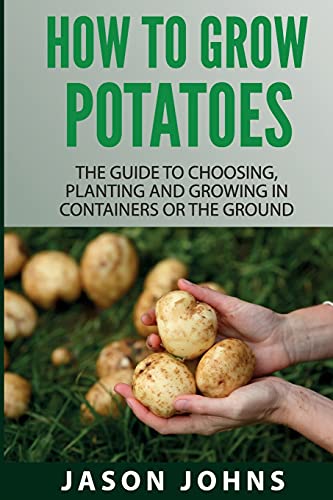
Growing potatoes is a straightforward process that requires minimal space and can be done in various settings, including your home or garden. This comprehensive guide will walk you through the entire process, from planting to harvesting.
Why Grow Potatoes?
Growing your own potatoes is not only cost-effective but also offers numerous benefits. By cultivating potatoes yourself, you’ll have access to fresh, genuine products that are free from additives and preservatives found in commercial ones. This makes it an excellent choice for health-conscious individuals seeking a natural alternative.
Preparation is Key
Before starting your potato-growing journey, consider the space available for cultivation. If you’re planning to grow potatoes in your garden or indoor space, ensure there’s enough room for the plants to spread out and receive adequate sunlight.
For those interested in growing potatoes at home, focus on using a single or two potatoes per container. This method is ideal for small spaces or balconies where you want to maximize yields while minimizing effort.
Getting Started
To begin growing potatoes, start by preparing your chosen potatoes. Select fresh, high-quality tubers with at least one “eye” each (the sprouting points). Allow the potatoes to germinate in a cool, dark environment for 3-6 weeks before planting them outside or in containers.
During this time, the eyes will begin to sprout and develop roots, setting the stage for healthy growth.
Cultivating Potatoes: A Step-by-Step Guide
- Creating a conducive environment: Ensure your growing space receives adequate sunlight while maintaining a consistent temperature range (15°C – 18°C). Avoid direct sunlight as it can cause damage to the plants.
- Sowing seeds: Place the prepared potatoes in shallow trenches, burying them up to their necks. Cover with soil and water gently but thoroughly.
- Allowing growth: Let the potatoes grow for several weeks, keeping the area consistently moist during this time.
- Harvesting: Once the plants have reached maturity (usually around autumn), carefully dig them up, taking care not to damage the tubers.
Cultivating Potatoes in Containers
Growing potatoes in containers is an excellent way to maximize space while still enjoying the benefits of homegrown produce. Use a container that’s at least 20 inches deep and has drainage holes to prevent waterlogged soil.
Here are some additional tips for container gardening:
- Using the right mix: Mix together compost, peat moss, and perlite in a ratio of 2:1:1.
- Planting correctly: Place the potatoes at an angle with their “eyes” facing upwards and fill in around them with the prepared soil mixture.
- Watering carefully: Water gently but thoroughly after planting to ensure good drainage.
Common Challenges and Solutions
- Insect damage: Regularly inspect your plants for signs of pests like aphids or whiteflies, which can cause damage to the leaves or tubers. Use natural pest control methods whenever possible.
- Lack of sunlight: If you live in an area with limited sunlight, consider using grow lights to supplement your potatoes’ light needs.
By following these guidelines and being mindful of potential challenges, you’ll be well on your way to successfully growing delicious, homegrown potatoes.
Frequently Asked Questions (FAQs)
1. How long does it take for potatoes to mature?
Potatoes typically require 10-14 weeks of growth before they are ready to harvest.
2. Can I grow potatoes in small spaces like balconies or patios?
Yes, you can grow potatoes in containers on a balcony or patio as long as the container is at least 20 inches deep and has drainage holes.
3. How do I store my homegrown potatoes?
Store your harvested potatoes in a cool, dark place with good ventilation to preserve their freshness for several months.
4. Can I grow potatoes in areas with poor soil quality?
Yes, you can still grow potatoes even in areas with poor soil quality by using container gardening or raised beds filled with compost and other nutrient-rich materials.
5. What are some common pests that target potatoes?
Common potato pests include aphids, whiteflies, and wireworms, which can be controlled using natural pest control methods whenever possible.
By following these guidelines and staying informed about the challenges of growing potatoes, you’ll be well on your way to enjoying a bountiful harvest of delicious, homegrown spuds.


