
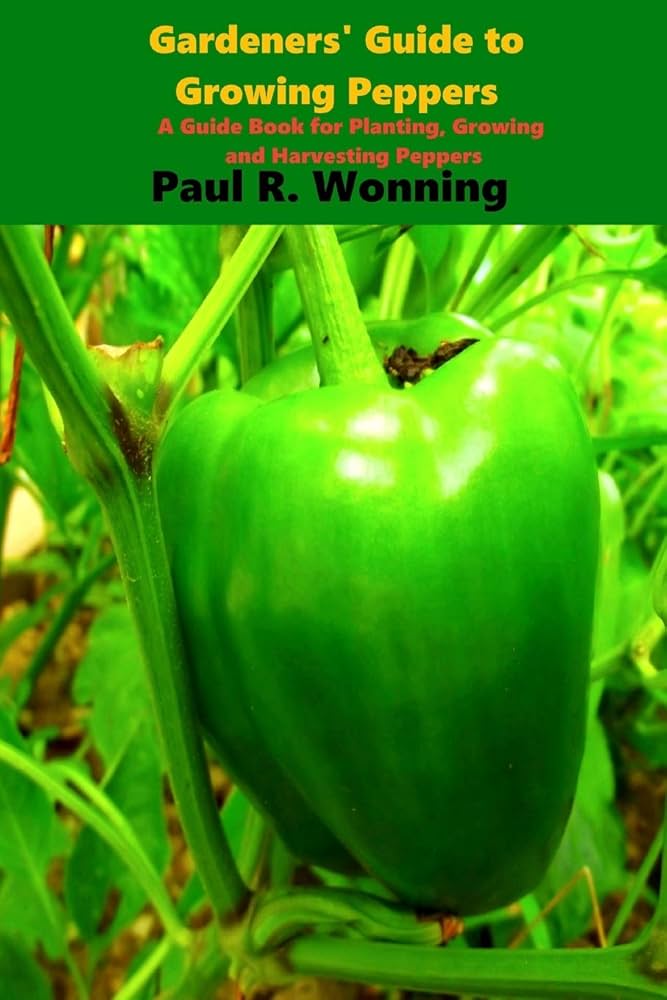
Growing Peppers: A Comprehensive Guide
As a pepper enthusiast, you’re likely eager to start growing your own delicious peppers. With the right guidance, you can enjoy a bountiful harvest of juicy, flavorful peppers in no time.
Choosing the Right Variety
When it comes to choosing the perfect pepper variety for your garden or container, there are several options to consider. For optimal results, opt for the “square-shaped” varieties, which are particularly well-suited for indoor and outdoor cultivation. These peppers are ideal for small spaces and can thrive in a wide range of climates.
Some popular pepper varieties include:
- Bell peppers: Sweet and mild, these peppers come in a variety of colors and are great for snacking and cooking.
- Jalapeños: Spicy and crunchy, these peppers add a kick to any dish.
- Anaheim peppers: Mild and slightly sweet, these peppers are perfect for roasting or grilling.
- Poblano peppers: Rich and earthy, these peppers are often used in traditional Mexican dishes.
Climate Considerations
Before planting your peppers, it’s essential to understand your local climate conditions. Peppers can be grown in most regions, except for high-altitude areas with harsh winter conditions that may impede growth.
In general, pepper plants prefer:
- Warm temperatures: Above 60°F (15°C) for optimal growth.
- Adequate sunlight: At least 6 hours of direct sunlight per day.
- Well-draining soil: To prevent root rot and other diseases.
- Moderate humidity: Between 50-70% to promote healthy growth.
When to Plant and Transplant
Pepper plants typically require a period of frost-free weather before planting. In the Northern Hemisphere:
- February-March: Seed starting (indoors or outdoors)
- March-April: Planting transplants (outdoors)
In Southern Europe, plan for an earlier start:
- January-February: Seed starting
- March-April: Planting transplants
Wait until after the last frost to transplant your seedlings outside. This ensures that the young plants are protected from any remaining cold snaps.
Sowing Seeds and Transplanting
There are two primary methods of sowing seeds for peppers:
- Direct Sowing: Directly sow seeds in well-draining soil with a temperature between 65°F-75°F (18°C-24°C).
- Transplanting: Start seedlings indoors, then transplant them to larger containers or directly into the garden when they’re around 4-5 inches tall.
Sowing Seeds: A Step-by-Step Guide
To ensure optimal germination and growth:
- Fill a small container (about 1-2 inches deep) with potting soil.
- Moisten the soil gently.
- Plant 3-4 seeds, spaced about 1 inch apart, in the container.
- Water carefully to avoid washing away the tiny seeds.
- Provide indirect sunlight and maintain temperatures between 65°F-75°F (18°C-24°C).
- Keep the soil consistently moist but not waterlogged.
Tips for Growing Peppers
To ensure healthy growth and optimal flavor:
- Provide a trellis or cage for support, as peppers can grow quite large.
- Water thoroughly but avoid overwatering, which can lead to fungal diseases.
- Mulch around the plants to retain moisture and suppress weeds.
- Fertilize regularly with a balanced fertilizer to promote healthy growth.
Common Issues and Solutions
When growing peppers, keep an eye out for potential issues like pests, fungal infections, and nutrient deficiencies. Here are some common problems and solutions:
- Pests: Check your plants regularly for signs of infestation. Use organic pest control methods whenever possible.
- Fungal Infections: Inspect your plants for yellowing leaves or black spots. Treat fungal diseases promptly with fungicides or remove affected areas to prevent further spread.
- Nutrient Deficiencies: Monitor your soil pH and adjust as necessary. Add a balanced fertilizer to promote healthy growth.
Growing Peppers in Containers
Growing peppers in containers is an excellent option for small spaces, balconies, or patios. Here are some tips:
- Choose a container that’s at least 12-14 inches deep and wide.
- Fill the container with well-draining potting mix.
- Plant seedlings indoors, then transplant them to the larger container when they’re around 4-5 inches tall.
Growing Peppers in Indoor Containers
If you prefer growing peppers indoors, here are some considerations:
- Lighting: Ensure that your plants receive sufficient light. East- or west-facing windows work well for pepper growth.
- Temperature: Maintain a consistent temperature between 65°F-75°F (18°C-24°C).
- Humidity: Keep the humidity level moderate to ensure healthy growth.
Common Mistakes and Troubleshooting
Don’t let common mistakes derail your pepper-growing journey:
- Underplanting: Don’t overcrowd your container. Pepper plants need sufficient space to grow.
- Overwatering: Be cautious not to overwater, as this can lead to root rot.
- Poor Air Circulation: Keep an eye out for air circulation issues that may contribute to fungal diseases.
Conclusion
Growing peppers is a rewarding experience that yields delicious and nutritious fruits. By understanding your climate conditions, choosing the right variety, planting at the correct time, and providing proper care, you’ll be well on your way to harvesting a bountiful harvest of juicy, flavorful peppers.
FAQs
- Q: Can I grow peppers in any type of soil?
A: Yes, but choose well-draining potting mix for optimal growth. - Q: How often should I water my pepper plants?
A: Water thoroughly but avoid overwatering, which can lead to fungal diseases. - Q: What is the best way to support pepper plants?
A: Provide a trellis or cage for support, as peppers can grow quite large. - Q: Can I grow peppers indoors?
A: Yes, but ensure sufficient light and maintain consistent temperatures between 65°F-75°F (18°C-24°C). - Q: How long does it take to harvest my first pepper?
A: The time-to-harvest varies depending on the specific variety; generally, it takes around 70-90 days from sowing. - Q: Can I grow peppers in containers with limited space?
A: Yes, choose compact varieties and provide sufficient light and water to optimize growth. - Q: How do I prevent pests from damaging my pepper plants?
A: Regularly inspect your plants for signs of infestation and use organic pest control methods whenever possible. - Q: What is the most common reason for fungal diseases in peppers?
A: Overwatering, poor air circulation, and inadequate sunlight can contribute to fungal diseases.
Happy growing!


