
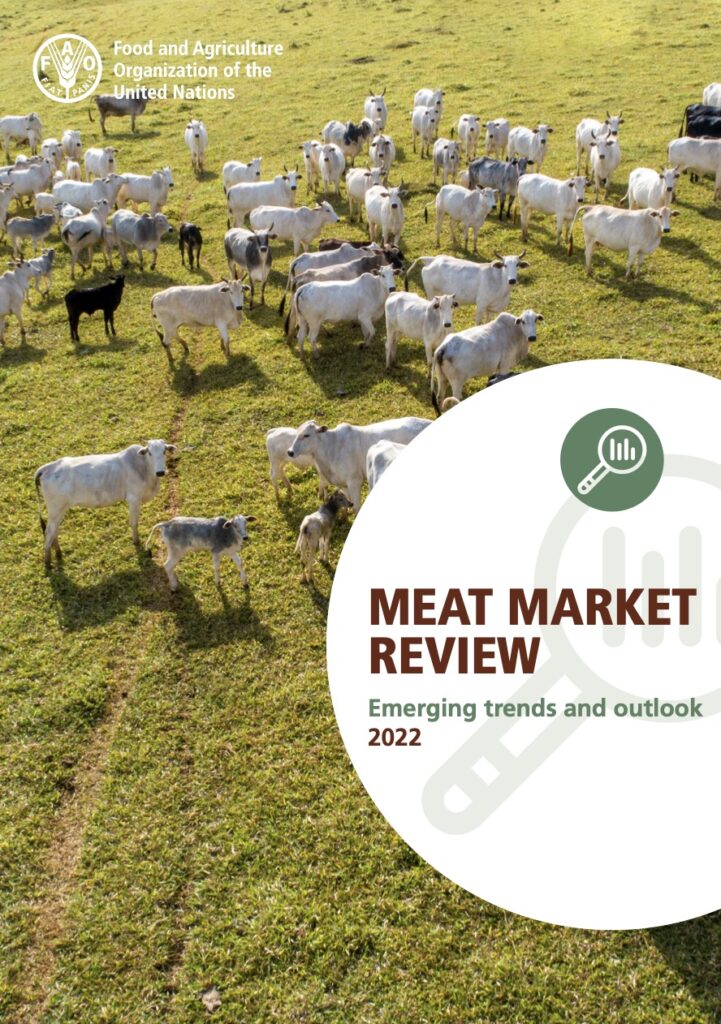
Introduction
The meat market is growing, and it’s not just a fleeting trend. According to the latest data from the Food and Agriculture Organization (FAO), the global demand for meat is increasing, driven by growth in emerging markets. But what does this mean for the industry, and how will it impact consumers? In this article, we’ll delve into the current state of the meat market, explore trends and insights from the FAO, and examine the potential implications for the industry and consumers alike.
A Stable Market
Despite economic downturns, the meat market has proven more resilient than other food sectors. The price of products remains stable, indicating a steady or even growing global demand. This is particularly true for developed countries like the United States and the European Union, where production is increasing to meet export demands. The stability of the meat market can be attributed to several factors, including:
- Global demand: Meat consumption continues to rise globally, driven by growth in emerging markets.
- Agricultural productivity: Advances in agricultural technology and management practices have led to increased yields and improved efficiency.
- Trade policies: Trade agreements and policies have helped to stabilize meat prices and promote exports.
Emerging Markets Drive Growth
The FAO’s Food Outlook report reveals that emerging markets are driving growth in the meat market. In particular, developing countries are leading the way in terms of demand for meat products. This trend is expected to continue, with meat consumption projected to increase by 1.1% globally in 2014.
European Market Trends
Looking specifically at the European market, the FAO forecasts a slight increase in production, reaching 45 million tons. However, import volumes are expected to remain stable, while export volumes decrease slightly. These numbers suggest that Europeans are consuming more meat than ever before. Key drivers of this trend include:
- Increased demand: Growing populations and rising incomes have led to increased demand for meat products.
- Shifts in consumer preferences: Consumers are increasingly seeking high-quality, sustainable meat options.
The Rise of Plant-Based Diets
Despite these trends, it’s worth noting that there is growing interest in plant-based diets. According to data from Assobirra, there are around 4-6 million vegetarians and vegans in Italy alone. This number is expected to continue growing, potentially altering consumer behavior.
Pollame: The Leading Meat Import
The pollame category accounts for the largest share of meat imports in the EU, with 50% of total market share. The main reason for this is the competitive pricing of beef products compared to other types of meat globally. This trend highlights the importance of trade agreements and policies in shaping the global meat market.
Cattle Trade: A Dominant Force
In terms of exports, cattle trade dominates the European market, accounting for 64% of total exports. This reflects the EU’s position as the third-largest producer of bovine meat in the world, with 7.4 million tons produced annually. The dominance of cattle trade underscores the importance of sustainable livestock production practices.
Conclusion and FAQs
As we look to the future, it’s clear that the meat market will continue to evolve. With growing demand from emerging markets and increasing consumer interest in plant-based diets, the industry must adapt to meet changing tastes and trends. Here are some frequently asked questions about the meat market:
- Q: Is the meat market growing due to an increase in global consumption?
A: Yes, according to FAO data, the meat market is expected to grow by 1.1% globally in 2014. - Q: Which countries drive growth in the meat market?
A: Emerging markets, particularly developing countries, are leading the way in terms of demand for meat products. - Q: What is the current trend in European meat consumption?
A: Europeans are consuming more meat than ever before, with production expected to increase slightly and import volumes remaining stable. - Q: How many vegetarians and vegans are there in Italy?
A: According to Assobirra data, there are around 4-6 million vegetarians and vegans in Italy alone. - Q: Why is pollame the leading meat import category?
A: The main reason is competitive pricing of beef products compared to other types of meat globally. - Q: What percentage of total EU exports is cattle trade?
A: Cattle trade accounts for 64% of total EU exports. - Q: How many million tons of bovine meat are produced in the EU annually?
A: The EU produces around 7.4 million tons of bovine meat annually.
References
- FAO (2014). Food Outlook: May 2014.
- Assobirra (n.d.). Vegetarian and Vegan Statistics.
By understanding these trends and insights, we can better navigate the evolving meat market and make informed decisions about our choices as consumers.


