
Introduction
Growing beans is a rewarding experience, and with the right guidance, you can enjoy a bountiful harvest of delicious and nutritious beans. In this article, we will cover everything you need to know about growing beans, from sowing seeds to harvesting, as well as common problems and solutions.
What are Beans?
Beans are technically a legume, but they are often referred to as an “ortaggio” or vegetable. They belong to the family Fabaceae and include a wide range of varieties, including bush beans, pole beans, and snap beans. Beans are an excellent source of protein, fiber, and essential vitamins and minerals.
Growing Beans in the Garden
Growing beans in the garden is relatively easy, but it does require some attention to detail. Here are some tips to get you started:
Choosing the Right Location
Beans need full sun to grow, so choose a location that receives at least 6 hours of direct sunlight per day. Also, make sure the area is well-drained and has good air circulation.
Preparing the Soil
Beans prefer a slightly acidic soil pH, ranging from 6.0 to 7.0. Test your soil pH before planting and adjust it if necessary. Beans also require adequate nutrients, so add organic matter like compost or manure to enrich the soil.
Sowing Seeds
Sow bean seeds directly in the ground when the soil has warmed up to at least 60°F (15°C). You can start sowing beans as early as late winter for a spring harvest. Alternatively, you can also sow beans indoors and then transplant them outside when the weather is warm enough.
Trellising Beans
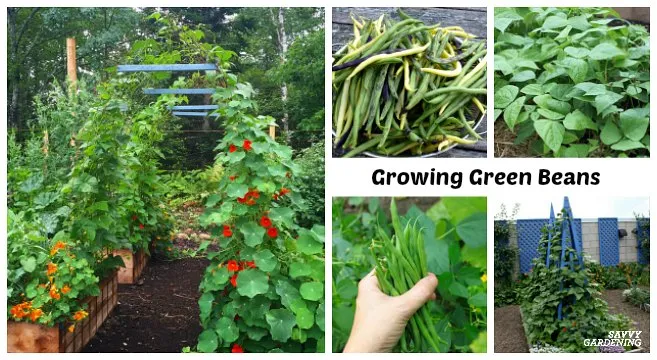
Beans are climbing plants that need support to grow. Use a trellis or a fence to provide structure for your bean plants. Train the vines to climb up the trellis by gently twining the stems around it.
Growing Beans in Containers
Growing beans in containers is a great option for small spaces or indoor gardening. Here are some tips:
Choosing the Right Container
Select a container that is at least 6-8 inches deep and has good drainage holes. Use a well-draining potting mix specifically designed for vegetables.
Sowing Seeds
Sow bean seeds directly in the container when the soil has warmed up to at least 60°F (15°C). Follow the same sowing instructions as for growing beans in the garden.
Common Problems and Solutions
- Aphids and Whiteflies: Use neem oil or insecticidal soap to control these pests.
- Fungal Diseases: Use fungicides specifically designed for vegetables, such as copper-based products.
- Pests: Use physical barriers, like fine mesh, to prevent pests from reaching the plants.
Concluding Tips
Growing beans is a rewarding experience that requires minimal effort and care. By following these guidelines, you can enjoy a bountiful harvest of delicious and nutritious beans. Don’t forget to check out our recommended resources for more information on growing beans.
FAQs
Q: What are the best types of beans to grow?
A: There are many varieties of beans to choose from, depending on your climate and preferences. Some popular options include bush beans, pole beans, and snap beans.
Q: How do I care for my bean plants?
A: Beans require full sun, well-drained soil, and adequate nutrients. Make sure to water them regularly and provide support for the vines.
Q: What are common pests that affect beans?
A: Common pests that affect beans include aphids, whiteflies, and spider mites. Use physical barriers or insecticidal soap to control these pests.
Q: How do I prevent fungal diseases in my bean plants?
A: Prevent fungal diseases by maintaining good air circulation around the plants, removing infected leaves, and using fungicides specifically designed for vegetables.
Q: Can I grow beans indoors?
A: Yes, you can grow beans indoors using containers. Choose a container that is at least 6-8 inches deep and has good drainage holes.
Tips for Growing Different Types of Beans
- Bush Beans: Bush beans are compact plants that require minimal support. They are easy to sow in the ground or in containers.
- Pole Beans: Pole beans are climbing plants that need trellises or fences to grow. They can be sown directly in the ground or transplanted into a container with good support.
- Snap Beans: Snap beans, also known as green beans, are annual plants that require full sun and well-drained soil. They can be grown in containers or directly in the ground.
Using Companion Plants to Improve Growth
Companion planting is the practice of growing different plants together to improve their growth and health. Here are some examples:
- Basil: Basil repels pests that affect beans, such as aphids and whiteflies.
- Marigold: Marigold repels nematodes that can harm beans.
- Radish: Radish repels cucumber beetles, which can spread bacterial wilt to beans.
Common Mistakes to Avoid
- Overwatering: Beans don’t like wet feet. Make sure the soil drains well and avoid overwatering.
- Underwatering: Beans need consistent moisture to grow. Avoid underwatering, especially when they are producing pods.
- Lack of Support: Beans need support as they climb up the trellis or fence.
Tips for Harvesting Beans
Harvesting beans at the right time is crucial for optimal flavor and texture. Here are some tips:
- Check the Color: Check the color of the pods to determine if they are ready to harvest. Most beans will be ready when they turn from green to yellow, brown, or purple.
- Pull the Pod: Gently pull the pod off the plant to avoid damaging it.
- Use Clean and Sharp Tools: Use clean and sharp tools to handle the pods to avoid bruising them.
Additional Resources
For more information on growing beans, here are some additional resources:
- Online Gardening Communities: Join online gardening communities to connect with other gardeners, share tips, and ask questions.
- Gardening Books: Read gardening books for inspiration, guidance, and expert advice.
- Local Nurseries: Visit local nurseries or gardening stores for advice from experts and access to a wide range of bean varieties.
By following these guidelines, tips, and resources, you can successfully grow delicious and nutritious beans in your garden or indoor space.


