
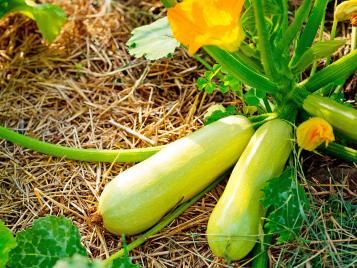
As the weather warms up, it’s a pleasure to cultivate zucchini in your garden or on your balcony. There are several varieties of zucchini, each with its own unique characteristics, such as early maturity or late harvesting, and different colored skins, ranging from yellow to dark green.
Understanding Zucchini Needs
Before we dive into the specifics of growing zucchini, it’s essential to understand the needs of these plants. Zucchini prefer a slightly acidic soil pH between 5.8 and 6.8, plenty of sunlight, and well-draining, fertile ground.
Zucchini are also heavy feeders and require regular fertilization to promote healthy growth and fruiting. A balanced fertilizer with equal amounts of nitrogen, phosphorus, and potassium (NPK) is recommended. Additionally, zucchini plants need adequate moisture, but be careful not to overwater, as this can lead to root rot.
Growing Zucchini in the Garden
To grow zucchini in your garden, prepare the soil by adding organic fertilizer. For biologically-based farming methods, use mature compost that has been tilled into the soil using a deep plow. Plant zucchini seeds 60 cm apart in rows spaced a meter apart. Each plant should be spaced from its neighbors by about 3 feet.
It’s also essential to consider companion planting when growing zucchini. Some plants, such as marigolds and basil, repel pests that can damage zucchini, while others, like beans and peas, provide shade and retain moisture in the soil. Research the best companions for your specific zucchini variety to optimize growth and minimize pests.
Growing Zucchini in Containers
If you prefer to grow zucchini in pots, choose containers at least 45-50 cm wide. Use a universal potting mix and ensure the container is at least 45 cm deep. You can also consider growing climbing zucchini varieties, but make sure they’re supported by a trellis or other structure.
When growing zucchini in containers, it’s crucial to provide sufficient sunlight. Most zucchini plants require at least 6 hours of direct sunlight per day. If you don’t have access to full sun, choose a container with good air circulation and consider using grow lights to supplement the natural light.
Watering Zucchini
Zucchini need plenty of water, but be careful not to overwater, as this can lead to root rot. Avoid watering the leaves or fruit directly, and if you’re unsure about your soil quality, add a liquid or granular fertilizer two days after planting.
To determine when to water your zucchini plants, check the soil moisture by inserting your finger into the soil up to the knuckle. If the soil feels dry, it’s time to water. Water your plants deeply but avoid getting water on the leaves or fruit to prevent fungal diseases.
When to Grow Zucchini
To determine when to plant zucchini, consider the climate in your area. If you want to start with seeds, wait until late April to early May to begin sowing directly in the field. Alternatively, you can start by growing seedlings indoors and then transplanting them outdoors.
Zucchini are sensitive to frost, so choose a planting date based on your location’s risk of late frosts. In areas with mild winters, you can plant zucchini in February or March. In colder climates, wait until late May or early June to plant zucchini seeds directly in the field.
Optimal Growing Conditions
Zucchini thrive in warm, temperate climates with good air circulation. The ideal temperature for growth is between 20-28°C (68-82°F).
In areas with extreme temperatures, take precautions to protect your zucchini plants from frost and heat stress. Mulch around the plants to retain moisture and regulate soil temperature. In hot weather, provide shade or use row covers to prevent scorching.
Sowing Zucchini Seeds
To get a head start on the growing season, you can sow zucchini seeds indoors as early as March. For direct sowing, plant two seeds per container or hole and wait until the weather warms up.
When sowing zucchini seeds, make sure to use fresh seeds that are suitable for your region’s climate. Sow seeds about 1-2 cm deep in a seed starting mix and maintain a consistent temperature between 20-25°C (68-77°F). Transplant seedlings outdoors when they have two sets of leaves.
Common Zucchini Pests and Diseases
Zucchini are susceptible to various pests and diseases, including aphids, spider mites, powdery mildew, scab, and root rot. To minimize the risk of infestation, keep your plants spaced apart, remove weeds, and practice crop rotation.
If you do encounter a problem, use organic pest control methods whenever possible. For example, neem oil is effective against aphids and spider mites, while copper-based fungicides can help control powdery mildew.
Pruning Zucchini Plants
Pruning your zucchini plants regularly will encourage bushy growth and prevent them from becoming too leggy. Remove any weak or damaged stems, and trim back the tips of the main stem to promote branching.
When pruning, use clean and sharp tools to avoid spreading diseases. Prune your zucchini plants during the cooler parts of the day to minimize stress on the plant.
Choosing the Right Variety
With so many zucchini varieties available, it’s essential to choose one that suits your needs and climate. Look for varieties with disease resistance, high yields, and desirable characteristics like skin color and flavor.
Some popular varieties include ‘Golden’ zucchini, which has a sweet, nutty flavor and a bright yellow skin, and ‘Round Robin’, which is known for its high yield and compact growth habit.
When selecting a variety, consider factors like maturity days, plant height, and fruit size. Choose a variety that’s suitable for your climate and growing conditions to ensure the best results.
Conclusion
Growing zucchini can be a rewarding experience, especially when you choose the right variety and provide optimal growing conditions. By following these guidelines, you’ll be on your way to harvesting delicious, healthy zucchini all summer long.
Remember to stay flexible and adapt to changing weather conditions, pests, and diseases. With proper care and attention, your zucchini plants will thrive, providing you with a bountiful harvest of nutritious and tasty zucchini for months to come.
Frequently Asked Questions (FAQs)
- What is the best time to plant zucchini seeds?
The ideal planting time varies depending on your location’s climate. In general, it’s best to wait until late April to early May in warmer climates and as early as March in cooler climates.
- How often should I water my zucchini plants?
Zucchini need plenty of water, but avoid overwatering, which can lead to root rot. Water your plants when the top inch of soil feels dry to the touch, usually every 2-3 days during hot weather.
- What are some common pests that affect zucchini plants?
Aphids, spider mites, and powdery mildew are among the most common pests that can infest zucchini plants. Use organic pest control methods whenever possible to minimize harm to beneficial insects.
- How do I prevent root rot in my zucchini plants?
To prevent root rot, ensure good air circulation around your plants and avoid overwatering. If you notice signs of root rot, such as soft, mushy stems or a foul odor, remove the affected plant immediately.
- Can I grow zucchini in containers?
Yes, you can grow zucchini in containers! Choose a container at least 45-50 cm wide and deep, use a universal potting mix, and ensure good air circulation to promote healthy growth.
- What is the best way to prune my zucchini plants?
Prune your zucchini plants regularly by removing weak or damaged stems and trimming back the tips of the main stem to encourage bushy growth.
- How do I choose the right variety of zucchini for my climate?
Choose a variety that’s resistant to diseases common in your area, has high yields, and desirable characteristics like skin color and flavor. Some popular varieties include ‘Golden’ zucchini and ‘Round Robin’.


