
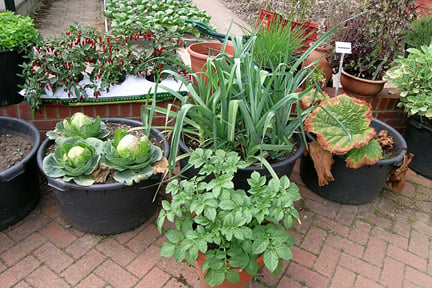
Are you looking to grow a bountiful harvest of delicious and healthy vegetables? Whether you prefer the traditional method of gardening or are interested in container gardening, this guide will provide you with the knowledge and techniques needed to succeed. In this article, we’ll cover everything from preparing the soil to fertilizing your plants, as well as specific tips for growing various vegetables in both gardens and pots.
Preparing the Soil for Vegetable Growing
Before planting any vegetables, it’s essential to prepare the soil. If you’re planning to grow “cut-and-come-again” crops like lettuce, spinach, or herbs, you can skip this section. However, if you want to grow crops that take longer to mature, such as tomatoes, zucchini, or squash, you’ll need to prepare the soil.
Preparing the soil involves loosening it to a depth of 8-10 inches using a spade or shovel. This will help to remove any debris and improve drainage. Next, add a 2-inch layer of compost or well-rotted manure to the soil. This will provide nutrients for your vegetables as they grow.
The Benefits of Composting
Composting is an excellent way to create nutrient-rich soil for your vegetables. When you compost, you’re breaking down organic matter like food scraps and yard waste into a rich, earthy material that’s teeming with microorganisms. These microorganisms will help to break down nutrients in the soil, making them available to your vegetables as they grow.
Composting also helps to improve soil structure, increase the water-holding capacity of the soil, and reduce the need for synthetic fertilizers. Additionally, compost can help to suppress pests and diseases by creating an environment that’s less conducive to their growth.
Choosing the Right Vegetables
Not all vegetables are created equal when it comes to growing in the garden or in pots. Some crops are better suited to containers than others, and some require more attention than others.
For example, tomatoes, zucchini, and squash are great choices for containers because they’re relatively low-maintenance and can thrive with minimal care. On the other hand, carrots, beets, and radishes prefer deeper soil and may not do well in shallow containers.
When selecting vegetables for your garden or pots, consider factors such as maturity date, growing requirements, and space needs. Some popular choices for container gardening include cherry tomatoes, herbs like basil and mint, and leafy greens like lettuce and spinach.
The Importance of Crop Rotation
Crop rotation is an essential practice when growing vegetables in the garden or in pots. By rotating your crops seasonally, you’ll help to prevent pests and diseases from building up in the soil. You’ll also improve soil fertility by adding nutrients from one crop to another.
For example, if you’re planting tomatoes in the spring, you should plant carrots or beets in the fall to take advantage of the soil’s natural nutrient cycle. This will help to create a balanced and healthy ecosystem in your garden.
Understanding Crop Requirements
Each vegetable has its own unique requirements for growing, including sunlight, water, and nutrients. For example:
- Tomatoes require full sun (6-8 hours of direct sunlight per day) and well-draining soil.
- Leafy greens like lettuce and spinach prefer partial shade and moist, well-draining soil.
- Root vegetables like carrots and beets need deep, loose soil with good drainage.
By understanding the specific requirements of each vegetable, you can tailor your growing conditions to meet their needs and ensure a bountiful harvest.
Concitations for Growing Vegetables
Comconcitations are an essential part of growing vegetables. By providing your plants with the right balance of nutrients, you’ll be able to promote healthy growth and development.
For example, if you’re growing tomatoes, you should provide them with a balanced fertilizer that includes nitrogen, phosphorus, and potassium. You can also add microelements like calcium and magnesium to help support plant growth.
When selecting fertilizers for your vegetables, consider factors such as the type of crop, soil pH, and nutrient requirements. Some popular choices include:
- Balanced fertilizers (10-10-10 NPK)
- Organic fertilizers like compost or manure
- Micro-element supplements like calcium and magnesium
Growing Vegetables in Pots
While many vegetables are well-suited for containers, others require more care and attention. For example, carrots and beets prefer deeper soil than shallow pots, while lettuce and spinach do best in loose, well-draining soil.
To grow vegetables in pots, you’ll need to choose the right container size, type of soil, and level of sunlight. You should also provide your plants with adequate water and nutrients to promote healthy growth.
10 Vegetables to Grow in Pots
If you’re new to growing vegetables in containers, here are 10 options that are easy to grow and require minimal care:
- Cherry tomatoes
- Radishes
- Lettuce
- Spinach
- Herbs (basil, mint, cilantro)
- Peppers
- Cucumbers
- Zucchini
- Carrots (although they prefer deeper soil)
- Green beans
Tips for Growing Vegetables in Pots
When growing vegetables in pots, keep the following tips in mind:
- Choose containers with good drainage to prevent waterlogged soil.
- Select a well-draining potting mix that’s specifically designed for container gardening.
- Provide your plants with adequate sunlight (at least 6 hours of direct sunlight per day).
- Water your plants regularly, but avoid overwatering by checking the moisture level regularly.
Conclusion
Growing vegetables in the garden or in pots can be a rewarding and delicious experience. By following these tips and techniques, you’ll be able to enjoy a bountiful harvest of healthy and delicious vegetables all season long.
Remember to always choose the right vegetables for your climate and growing conditions, prepare the soil properly, and provide your plants with the right balance of nutrients. With a little care and attention, you can grow a variety of delicious and nutritious vegetables in your garden or pots.


