
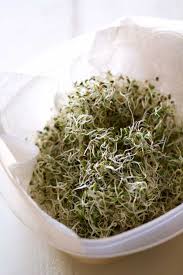
Growing sprouts at home can be a fantastic way to integrate your garden production and enjoy fresh, nutritious produce year-round. If you already have an outdoor garden, learning how to cultivate domestic sprouts will be even more valuable. In this article, we’ll delve deeper into the world of sprouting, exploring the benefits, choosing the right seeds, preparing for sprout cultivation, and providing step-by-step instructions on how to grow sprouts at home.
The Benefits of Sprouts
Sprouts are a nutrient-dense food that offers numerous health benefits. They are rich in vitamins, minerals, and antioxidants, making them an excellent addition to your diet. Some of the key benefits of incorporating sprouts into your daily routine include:
- Boosting energy levels: Sprouts are packed with iron, which is essential for maintaining healthy red blood cells.
- Supporting digestive health: The enzymes present in sprouts can help break down proteins and aid digestion.
- Reducing inflammation: Sprouts contain anti-inflammatory compounds that may help alleviate symptoms of chronic diseases.
Choosing the Right Seeds
When it comes to growing sprouts, certain seeds are easier to work with than others. Lenticches, soybeans, chickpeas, sunflower seeds, oats, barley, and wheat are all great options for beginners. However, not all cereals are created equal. Choose whole, non-ironed grains, and select high-quality seeds that have been fresh and organic.
Preparing for Sprout Cultivation
Before you start, make sure to wash your seeds thoroughly and remove any debris or impurities that may cause them to rot. Fill a one-liter container with clean water, leaving about three times the volume of water above the seed layer. Cover the container with a cloth secured with an elastic band (allowing for airflow is essential).
Step-by-Step Sprout Cultivation
First, soak your seeds in fresh water for as long as possible. Place them in a dark environment, such as a cupboard or covered cardboard box, and maintain a temperature around 20°C (68°F). The soaking time typically ranges from one to two nights, with larger seed varieties requiring an additional night.
After the soaking process is complete, drain the water and rinse your seeds gently but thoroughly with fresh, lukewarm water. Allow them to dry completely before moving on to the next step.
Inverting and Germinating
Turn your container upside down onto a flat surface (such as a plate) and allow your sprouts to germinate. Depending on the type of seed, this process can take anywhere from two days (sunflower seeds) to nine days (wheat). Every day, gently rinse your seeds with clean water using a colander.
Harvesting Your Sprouts
Your sprouts are ready to eat as soon as they emerge, but if you leave them in the light for a few hours, they will become even more nutritious. Alternatively, try soaking your seeds in water for two days before cooking them. Make sure to rinse your sprouts thoroughly every day.
Tips and Variations
Growing sprouts at home can be a fun and rewarding experience. Experiment with different seed varieties and cultivation methods to find what works best for you.
Some additional tips:
- Keep your sprouting area clean and well-ventilated
- Store your sprouts in the refrigerator after harvest to maintain freshness
- Try different seasonings and flavor combinations to keep your sprouts interesting
Common Mistakes to Avoid When Growing Sprouts
While growing sprouts at home can be a simple process, there are some common mistakes to avoid:
- Not washing seeds thoroughly: Make sure to wash your seeds before soaking them in water.
- Failing to provide adequate airflow: Keep your container covered with a cloth secured with an elastic band to allow for airflow.
- Not storing sprouts properly after harvest: Store your sprouts in the refrigerator to maintain freshness.
Conclusion
Growing sprouts at home can be a great way to add nutrition and variety to your diet. With these simple steps and tips, you’ll be on your way to enjoying fresh, delicious sprouts all year round. Whether you’re a seasoned gardener or just starting out, we hope this comprehensive guide has provided you with the knowledge and inspiration you need to get started.
Frequently Asked Questions
- What are the best seeds for sprouting?
Some of the most popular seeds for sprouting include lenticches, soybeans, chickpeas, sunflower seeds, oats, barley, and wheat. - How do I choose fresh, organic seeds?
Choose whole, non-ironed grains, and select high-quality seeds that have been fresh and organic. - What is the optimal temperature for sprouting?
Maintain a temperature around 20°C (68°F) during the soaking process. - How long does it take to soak seeds?
The soaking time typically ranges from one to two nights, with larger seed varieties requiring an additional night. - Can I grow sprouts in direct sunlight?
While some sprouts can tolerate sunlight, it’s generally best to keep them out of direct sunlight during the germination process. - How do I store my sprouts after harvest?
Store your sprouts in the refrigerator after harvest to maintain freshness. - Can I grow sprouts indoors?
Yes, you can grow sprouts indoors using a clear container and adequate ventilation. - What are some common mistakes to avoid when growing sprouts?
By following these simple steps and tips, you’ll be well on your way to becoming a sprouting expert. Happy growing!


