
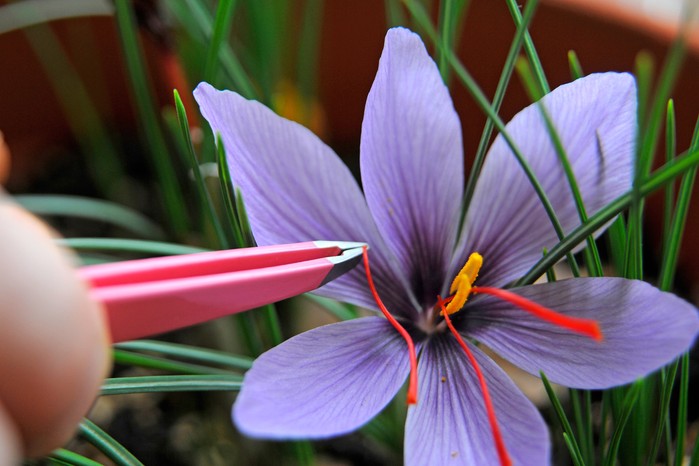
Are you looking to add a touch of luxury to your cooking with saffron? This highly prized spice is not only a key ingredient in many traditional dishes, but also a fascinating plant to grow and harvest. In this article, we’ll delve into the world of saffron cultivation, covering everything from choosing the right soil to harvesting this delicate flower.
Why Grow Saffron?
Saffron is one of the most expensive spices in the world, with prices ranging from $8 to $14 per gram. However, growing your own saffron can be a rewarding experience that not only saves you money but also allows you to enjoy the fruits of your labor. Plus, cultivating saffron requires minimal equipment and knowledge, making it accessible to gardeners of all levels.
The High Cost of Saffron
So why is saffron so expensive? The answer lies in its production process. Saffron takes 15-20 days to mature, and the flowers must be hand-picked at dawn when they’re still closed. This labor-intensive process, combined with the limited yield of each plant (only 2-3 flowers per bulb), makes saffron a costly spice to produce.
What is Saffron?
Saffron is derived from the dried stigmas of the Crocus sativus flower, which contains a pigment called crocine. This pigment gives saffron its distinctive yellow-orange color and gives it its unique flavor and aroma. The flowers are harvested in autumn, when they’re still closed, and then dried to produce the high-quality spice we know today.
Saffron: A Versatile Spice
Saffron is a versatile spice that can be used in a variety of dishes, from traditional Middle Eastern recipes like paella and bouillabaisse to modern desserts like crème brûlée. Its unique flavor and aroma add depth and complexity to any dish, making it a sought-after ingredient among chefs and home cooks alike.
Preparing the Soil
Before planting your saffron bulbs, you’ll need to prepare the soil. Saffron prefers well-draining soil that’s rich in organic matter. A mix of compost, peat moss, and perlite will provide the perfect conditions for your saffron to thrive.
- pH Levels: Saffron prefers a slightly acidic to neutral soil pH, ranging from 6.0 to 7.0.
- Soil Texture: Well-draining soil with good aeration is essential for saffron growth.
- Organic Matter: Adding compost or well-rotted manure can help improve the fertility of your soil.
Planting Saffron Bulbs
Saffron bulbs can be planted in the fall, around September or October, when the weather starts to cool down. Plant the bulbs 10-12 inches apart, with the pointed end facing upwards. Water well and keep the soil moist during the first few weeks after planting.
- Depth: Plant the bulbs at a depth of 2-3 times their height.
- Spacing: Space the bulbs 10-12 inches apart to allow for good air circulation and sunlight penetration.
- Watering: Keep the soil consistently moist, but not waterlogged, during the first few weeks after planting.
Caring for Your Saffron Plants
Saffron plants require minimal care, but they do need protection from extreme temperatures. In areas with frost, it’s essential to bring your saffron plants under cover or use a row cover to protect them from damage. Deadheading the flowers will also encourage more blooms and prevent seed production.
- Temperature: Saffron plants prefer daytime temperatures between 65°F and 75°F (18°C and 24°C) and nighttime temperatures around 50°F (10°C).
- Watering: Water your saffron plants regularly, but avoid overwatering, which can lead to root rot.
- Fertilization: Fertilize lightly in the spring and summer months with a balanced fertilizer.
Harvesting Saffron
Saffron is ready to harvest when the flowers are fully open and the stigmas have turned yellow-orange. This typically occurs in late autumn, around October or November. Carefully snip off the stigmas at the base of the flower, taking care not to damage the rest of the bloom.
- Timing: Harvest your saffron in late autumn, when the flowers are fully open and the stigmas have turned yellow-orange.
- Handling: Handle the flowers gently to avoid damaging the stigmas.
- Storage: Store the harvested saffron in an airtight container to preserve its flavor and aroma.
Drying and Processing Saffron
Once you’ve harvested your saffron, it’s essential to dry it quickly to prevent spoilage. You can air-dry the stigmas or use a food dehydrator on a low setting. Once dry, you can grind the stigmas into a fine powder using a spice grinder or mortar and pestle.
- Drying: Dry the saffron immediately after harvesting to prevent spoilage.
- Storage: Store the dried saffron in an airtight container to preserve its flavor and aroma.
Tips for Growing Saffron
Here are some additional tips for growing saffron:
- Use a trellis or stake to support your saffron plants as they grow.
- Water carefully during the first few weeks after planting, as overwatering can lead to root rot.
- Fertilize lightly in the spring and summer months, but avoid overfertilizing, which can damage the roots.
- Harvest your saffron at dawn when it’s still closed, as this will help preserve its flavor and aroma.
Frequently Asked Questions
Here are some common questions about growing saffron:
Q: How long does it take for saffron to mature?
A: Saffron takes 15-20 days to mature after flowering.
Q: Can I grow saffron indoors?
A: Yes, you can grow saffron indoors in a container or vase. However, make sure the soil is well-draining and the plants receive plenty of light.
Q: How much space does a saffron plant require?
A: Saffron plants require minimal space and can be grown in containers as small as 6-8 inches deep.
Q: Can I grow saffron in my garden if it’s not frost-free?
A: No, saffron is sensitive to frost and should only be grown in areas with mild winters.
Q: How much does a bulb of saffron cost?
A: A high-quality bulb of saffron can range from $10 to $30, depending on the quality and quantity of stigmas.
Conclusion
Growing saffron is a rewarding experience that requires minimal equipment and knowledge. By following these tips and guidelines, you can cultivate this luxurious spice in your own garden or indoor container. Whether you’re a seasoned gardener or just starting out, growing saffron is an excellent way to add some excitement to your cooking repertoire. Happy growing!


