
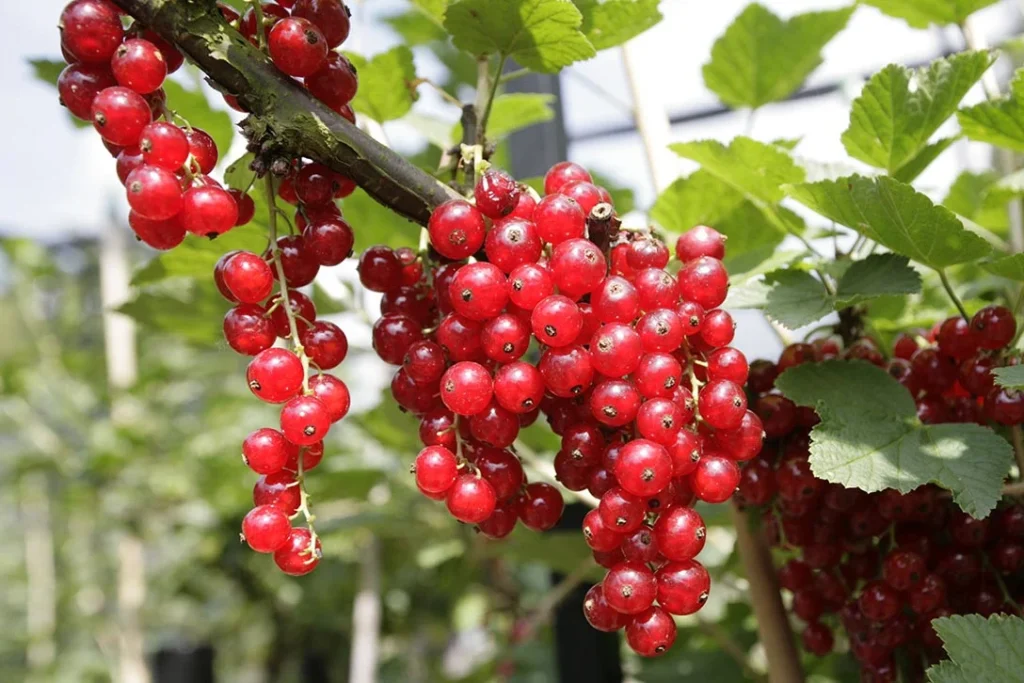
Growing red fruits in your garden requires careful consideration of their specific needs and requirements. By understanding the unique demands of each fruit variety, you can create an optimal environment that fosters healthy growth and abundant production.
In this comprehensive guide, we’ll explore the essential factors for growing red fruits, including choosing the right location, soil requirements, considering rusticity, mulching and pruning, and more. Whether you’re a seasoned gardener or just starting out, this article will provide you with the knowledge and insights necessary to create a thriving red fruit garden.
Choosing the Right Location
When selecting a location for your red fruit plants, it’s essential to consider their specific needs. Raspberries, for example, require full sun to partial shade and prefer south-facing slopes that are protected from harsh winds. Grapevines can tolerate more shade, but still benefit from sunlight to mature into sweeter and tastier fruits.
In general, all red fruits prefer positions that receive full sun or partial shade, while also being protected from cold winds. Trees are excellent companions for red fruits because the soil at their base is always covered with a layer of leaves and wild herbs, keeping it moist and porous.
Soil Requirements
Red fruit plants have distinct soil requirements. Raspberries and grapevines thrive on clay soils or slightly calcareous ones, while currants (black, red, and white) and gooseberries prefer rich, humus-rich soils similar to those found in forests, making them more acidic.
When planning your garden or orchard space for red fruits, it’s crucial to understand these fundamental differences in soil requirements. For example, if you have a mix of clay and sandy soils, consider creating separate areas for each type of fruit to ensure optimal growth.
Considering the Rusticity of Each Fruit
Each type of red fruit has its own level of delicacy and sensitivity to environmental conditions. Blackcurrants are slightly more fragile and attract many insects (which isn’t necessarily a problem), while currants are more robust and can grow even in challenging conditions without specific demands.
However, to have healthy and abundant red fruits, proper pruning and training are crucial. In organic gardens, all small shrubs that produce fruit receive plenty of compost and natural fertilizer. Nevertheless, the most important measure to prevent most diseases among red fruits is a thick layer of mulch.
This keeps the soil consistently moist and well-drained, shielding the plant’s superficial roots from harm. Mulches like straw, cut grass, wild herbs, leaves, and wood shavings are all excellent options for these plants.
Mulching and Pruning
For raspberries and grapevines, it’s essential to mulch regularly because this maintains the soil consistently moist and loose. Mulches also help to suppress weeds and retain moisture, reducing the need for frequent watering.
When it comes to pruning, consider that raspberry and grapevine need regular pruning to prevent overgrowth and promote air circulation between the vegetation to avoid moisture stagnation. Blackcurrants and gooseberries must be pruned annually by raking off the soil surface (called “raspita”) every year, while their twigs need to be shaped and thinned out.
Pruning Techniques for Different Fruit Types
- Raspberries: Prune in late winter or early spring to promote new growth and encourage fruiting. Remove any dead or damaged canes, and thin out the plant to allow for good air circulation.
- Grapevines: Prune in late winter or early spring to remove any dead or diseased wood, and shape the vine to optimize growth and fruit production.
- Blackcurrants: Prune annually by raking off the soil surface (raspita) every year. Remove any old, woody material that can harbor disease-causing organisms.
- Gooseberries: Prune annually by shaping and thinning out the twigs to promote good air circulation and encourage fruiting.
Conclusion
Growing red fruits in your garden requires attention to detail and a willingness to adapt to their specific needs. By understanding these needs and providing the right environment, you’ll be rewarded with an abundant harvest of delicious and healthy red fruits.
Whether you’re growing raspberries, grapevines, blackcurrants, or gooseberries, remember to choose the right location, soil requirements, consider rusticity, mulch regularly, and prune annually. With these essential tips and techniques, you’ll be well on your way to creating a thriving red fruit garden that will provide you with years of enjoyment and satisfaction.
Frequently Asked Questions (FAQs)
Q: What is the best way to prepare the soil for growing raspberries?
A: Raspberries prefer clay soils or slightly calcareous ones. If your soil lacks these characteristics, consider adding organic matter to improve its structure.
Q: How often should I prune my grapevines?
A: Regular pruning (every year) is necessary to maintain air circulation between the vines and prevent overgrowth.
Q: What is the best type of mulch for raspberries?
A: Mulches like straw, cut grass, wild herbs, leaves, or wood shavings work well for raspberries. Make sure they don’t decompose too quickly, so you can replenish them as needed.
Q: Do all types of red fruits require the same level of protection from cold winds?
A: While most red fruits prefer a spot that receives full sun or partial shade and is protected from harsh winds, some may be more tolerant than others. For example, currants are generally less sensitive to wind than raspberries.
Q: How can I prevent diseases in my red fruit plants?
A: One of the most effective measures against disease is maintaining a thick layer of mulch around your plant. This keeps the soil consistently moist and prevents moisture stagnation, which can lead to fungal infections.
Q: Are organic fertilizers enough to support healthy growth for all types of red fruits?
A: While organic fertilizers are essential, it’s crucial to combine them with regular pruning and proper care (like mulching) to ensure optimal growth and prevent diseases.
Q: What is the difference between “raspita” and other pruning techniques used in gardening?
A: Raspita refers specifically to the annual act of raking off soil from around your blackcurrant or gooseberry plants. This process helps remove any old, woody material that can harbor disease-causing organisms.
Q: Can I plant multiple types of red fruits together in my garden?
A: Yes, but consider their differing needs and requirements. Planting different varieties side by side might lead to cross-pollination issues or competition for resources, so research compatibility before planting them together.
Q: What is the most common disease that affects red fruit plants?
A: Most diseases affecting red fruits are fungal in nature. Regular mulching, pruning, and maintaining a balanced ecosystem can help prevent these infections from taking hold.


