
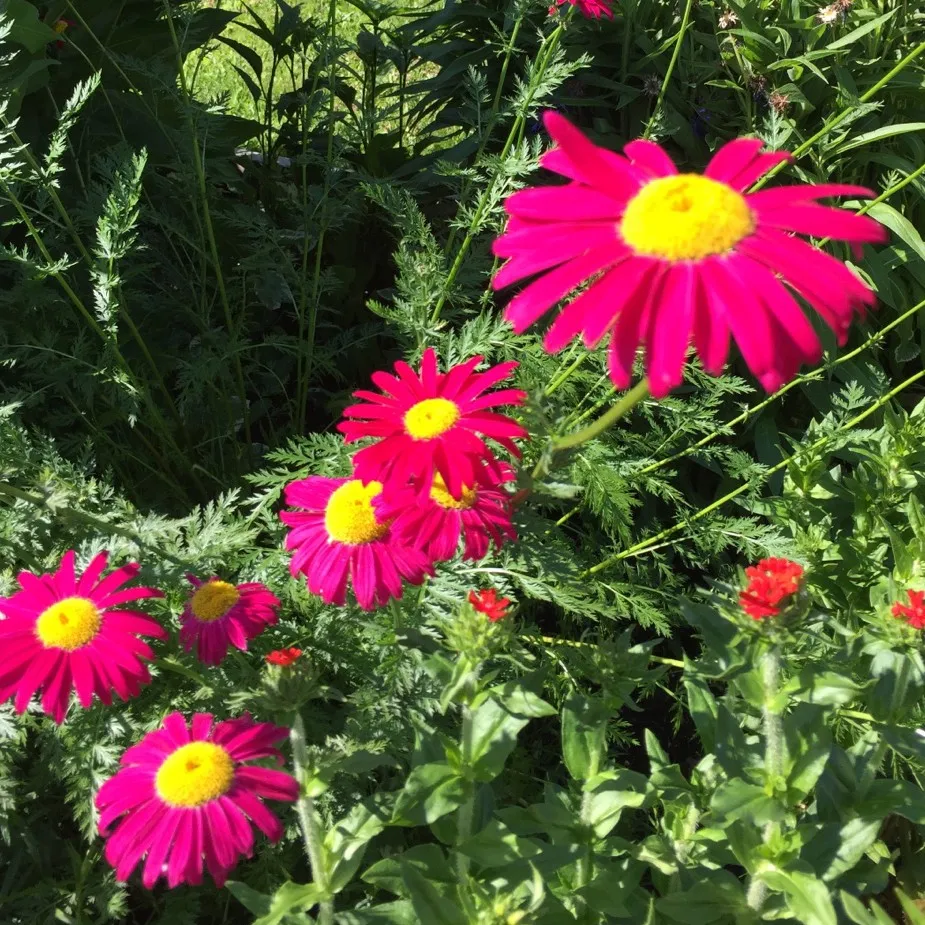
What is Pyrethrum?
Pyrethrum is a natural insecticide derived from the flowers of the pyrethrum daisy, Tanacetum cinerarifolium. This perennial herb has been used for centuries to control pests and diseases in gardens and homes. The name “pyrethrum” comes from the Greek words “pyr,” meaning fire, and “thermos,” meaning heat. The plant contains a group of compounds called pyrethrins, which are responsible for its insecticidal properties.
Why Choose Pyrethrum as an Insecticide?
Pyrethrum is a popular choice among gardeners due to its effectiveness against a wide range of pests, including mosquitoes, flies, ticks, and more. It’s also biodegradable and non-toxic to humans and pets. This makes it an excellent alternative to synthetic pesticides that can harm the environment and contaminate soil and water.
How to Harvest Pyrethrum Flowers for Insecticidal Use
To use pyrethrum as an insecticide, you need to harvest the flowers from the plant. The best time to do this is when the flowers are still fresh and the nectar is still present. You can harvest the flowers by cutting them off at the base of the stem or by gently pinching them off with your fingers.
What Happens When You Dry Pyrethrum Flowers?
When you dry pyrethrum flowers, the essential oils inside the petals become concentrated, making them even more potent as an insecticide. This is why dried flowers or leaves can be used to make a natural spray for your garden. To dry pyrethrum flowers, simply tie them in small bunches and hang them upside down in a warm, dry place.
Using Pyrethrum as an Antiparasitic Agent
Pyrethrum is not only effective against insects but also has antiparasitic properties. It’s been shown to repel ticks, mites, and other parasites that can harm plants. This makes it an excellent natural pesticide for use in gardens and homes.
Growing Pyrethrum: A Low-Maintenance Herb
Pyrethrum is a hardy plant that requires minimal care. It thrives in well-draining soil and full sun. To grow pyrethrum, simply sow the seeds in early spring or divide established plants in late winter or early spring. Make sure to choose a location with plenty of sunlight and good air circulation.
Tips for Growing Pyrethrum:
- Choose a location with full sun (at least 6 hours of direct sunlight)
- Plant pyrethrum in well-draining soil
- Water regularly during the growing season
- Fertilize lightly to avoid over-fertilizing
- Prune plants regularly to promote healthy growth
Common Mistakes to Avoid When Growing Pyrethrum
- Don’t plant pyrethrum in areas with standing water, as this can lead to root rot
- Avoid over-watering, as this can cause the roots to rot
- Don’t use high-nitrogen fertilizers, as these can promote leaf growth at the expense of flower production
Pest Control Strategies Using Pyrethrum
Pyrethrum can be used in a variety of pest control strategies, including:
- Insecticidal soap: Mix pyrethrum with water and soap to create an insecticidal spray.
- Neem oil blend: Combine pyrethrum with neem oil for enhanced effectiveness against pests.
- Companion planting: Plant pyrethrum alongside other herbs and flowers to repel pests.
Benefits of Using Pyrethrum as a Natural Pesticide
Pyrethrum offers several benefits when used as a natural pesticide, including:
- Environmentally friendly
- Non-toxic to humans and pets
- Effective against a wide range of pests
- Antiparasitic properties
Conclusion:
Pyrethrum is a natural insecticide that’s been used for centuries to control pests and diseases in gardens and homes. With its effectiveness against a wide range of pests and antiparasitic properties, pyrethrum is an excellent choice for gardeners looking for a sustainable solution.
FAQs:
- What are the benefits of using pyrethrum as an insecticide?
Pyrethrum is a natural insecticide that’s effective against a wide range of pests, including mosquitoes, flies, ticks, and more. - How do I harvest pyrethrum flowers for insecticidal use?
To harvest pyrethrum flowers, wait until they are still fresh and the nectar is still present. - What happens when you dry pyrethrum flowers?
When you dry pyrethrum flowers, the essential oils inside the petals become concentrated, making them even more potent as an insecticide. - Can I use pyrethrum on my pets or children?
No, it’s not recommended to use pyrethrum on pets or children due to its potential toxicity. - How do I care for my pyrethrum plant?
Pyrethrum requires minimal care and can thrive in well-draining soil and full sun.
By following the tips and best practices outlined above, you’ll be able to create a natural and effective pest control solution for your garden using pyrethrum.



