
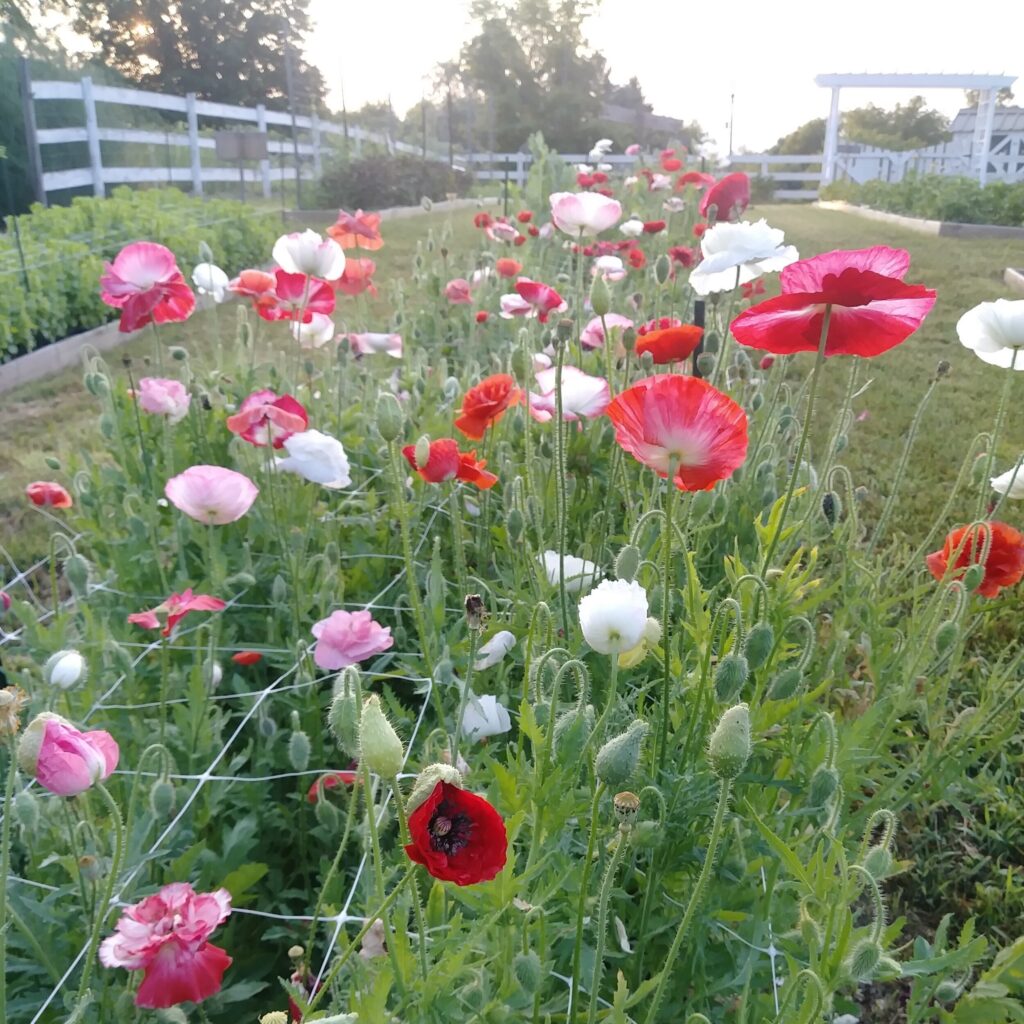
As a gardener, there’s nothing quite like the thrill of watching your poppies bloom in vibrant colors, filling your garden with beauty and life. But have you ever wondered how to grow these stunning flowers? In this article, we’ll take you through the steps of growing poppies, from sowing seeds to creating stunning displays.
Why Grow Poppies?
Poppies are one of the most popular annuals in gardens, and for good reason. They’re easy to care for, come in a variety of colors, and can add a dramatic touch to any landscape. Whether you’re looking to attract pollinators or simply want to add some visual interest to your garden, poppies are an excellent choice.
Choosing the Right Variety
When it comes to growing poppies, there are many varieties to choose from. Some popular types include:
- Oriental Poppy (Papaver orientalis): Known for its large, showy blooms and ability to thrive in poor soil.
- California Poppy (Eschscholzia californica): A low-maintenance option that’s perfect for hot, dry climates.
- Shirley poppies: Known for their delicate, pastel-colored blooms.
Sowing Seeds
To grow poppies, you’ll need to start with high-quality seeds. Here are some tips for sowing your seeds:
- Choose a sunny location: Poppies love full sun, so make sure to choose a spot that gets at least six hours of direct sunlight per day.
- Prepare the soil: Poppy seeds prefer well-draining soil, so add organic matter like compost or manure to improve drainage and fertility.
- Sow seeds thinly: Sow your seeds about 1/8 inch deep and 1-2 inches apart. Cover with a thin layer of soil.
Caring for Poppies
Poppies are relatively low-maintenance plants, but they do require some care to thrive. Here are some tips:
- Water sparingly: Poppy seeds need consistent moisture, but overwatering can lead to root rot. Water lightly but frequently.
- Fertilize lightly: Poppies don’t require a lot of fertilizer, so use a balanced fertilizer at half strength.
Creating Stunning Displays
Poppies are one of the most striking flowers in the garden, and they come in a range of colors. Here are some tips for creating stunning displays:
- Mix and match varieties: Combine different types of poppies to create a unique and eye-catching display.
- Use tall stakes: Poppies can grow quite tall, so use stakes to support them and prevent them from toppling over.
Common Questions
Q: How long do poppies bloom for?
A: Poppies typically bloom for 6-8 weeks in the spring, although some varieties may bloom longer or shorter.
Q: Can I grow poppies indoors?
A: Yes, you can grow poppies indoors using a pot and plenty of light. However, they may not thrive as well as they would outdoors.
Q: How often should I deadhead my poppies?
A: Deadheading your poppies will encourage more blooms, but be careful not to remove too many flowers at once, as this can stress the plant.
Q: Can I save seeds from my poppies?
A: Yes, you can save seeds from your poppies by collecting them after they’ve finished blooming. However, this may require some patience and experimentation to get the results you want.
Q: How do I propagate my poppies?
A: You can propagate your poppies using seed or division. For seed propagation, simply sow your seeds in a pot filled with soil, and keep it moist until germination occurs.
Q: Can I grow poppies from seed directly in the ground?
A: Yes, you can grow poppies directly from seed in the ground. However, this may require some planning and patience to ensure that your seeds are planted at the right time for optimal growth.
Q: How do I treat my poppies for pests and diseases?
A: To protect your poppies from pests and diseases, use organic methods whenever possible. This may include spraying with neem oil or garlic spray, or using physical barriers like fine-mesh screens to keep insects away.
Tips for Success
Here are some additional tips to help you achieve success when growing poppies:
- Soil temperature: Poppies germinate best in soil that’s between 65°F and 75°F (18°C and 24°C).
- Sowing depth: Plant your seeds about 1/8 inch deep, and cover with a thin layer of soil.
- Seed spacing: Sow your seeds about 1-2 inches apart to allow for proper growth and air circulation.
- Mulching: Mulch around your poppies to retain moisture, suppress weeds, and regulate soil temperature.
Pest Control
Here are some tips for controlling pests when growing poppies:
- Aphids: Use neem oil or garlic spray to control aphid infestations.
- Whiteflies: Use fine-mesh screens to keep whiteflies away from your plants.
- Slugs and snails: Use copper tape or crushed eggshells around the base of your poppies to deter slugs and snails.
Disease Prevention
Here are some tips for preventing disease when growing poppies:
- Powdery mildew: Use neem oil or sulfur-based fungicides to control powdery mildew infestations.
- Root rot: Avoid overwatering, and use a well-draining potting mix to prevent root rot.
Conclusion
Growing poppies can be a fun and rewarding experience. With the right techniques and care, you can enjoy stunning blooms in your garden all season long. Remember to choose the right variety, sow seeds thinly, water sparingly, fertilize lightly, and create stunning displays. With these tips, you’ll be well on your way to growing beautiful poppies that will bring joy and beauty to your garden for years to come.
Glossary
Here are some common terms related to growing poppies:
- Annual: A plant that completes its life cycle within a year.
- Biennial: A plant that takes two years to complete its life cycle.
- Perennial: A plant that lives for more than two years.
- Pest: An animal or insect that damages crops or plants.
- Disease: A condition caused by a microorganism, such as bacteria or fungus, that harms plants.
References
Here are some references for growing poppies:
- National Gardening Association: Provides information on growing poppies, including tips and tricks for success.
- Royal Horticultural Society: Offers advice on growing poppies, including how to care for them and control pests and diseases.
- Gardening Know How: Provides a comprehensive guide to growing poppies, including information on soil preparation, watering, and fertilization.


