
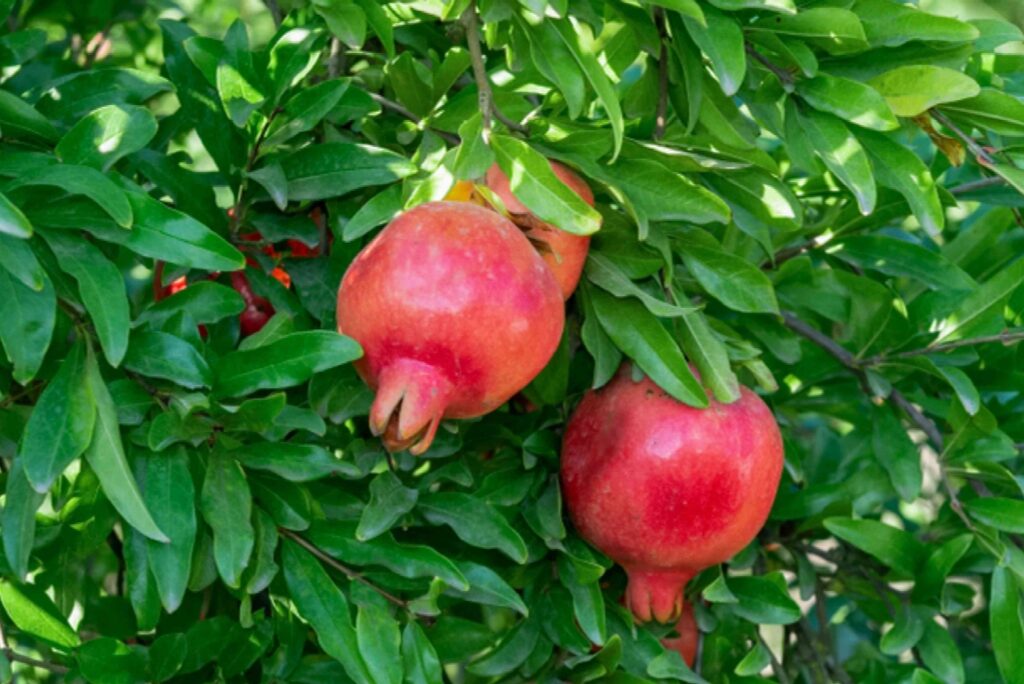
Growing Grapes: A Comprehensive Guide to Cultivating Melons
As a gardener, there’s nothing quite like the satisfaction of cultivating a delicious and nutritious fruit tree like melon. With its unique blend of ornamental value and edible benefits, it’s no wonder why many gardeners are eager to give this versatile plant a try. In this article, we’ll delve into everything you need to know about growing melons, from selecting the right variety to providing optimal care.
Choosing the Right Melon Variety
Melons come in a range of shapes and sizes, making it essential to select the right type for your garden. Some popular varieties include:
- Punica granatum Wonderful: A compact, dwarf melon that’s perfect for small gardens.
- Melograno nano: A smaller, more manageable variety that’s ideal for containers.
When selecting a melon variety, consider factors such as climate, soil type, and desired fruit size. For example, if you live in a hot and dry climate, you may want to choose a variety that’s resistant to heat stress, such as the ‘Sugar Baby’ watermelon.
Preparing the Soil
Before planting your melon, make sure the soil is prepared. Melons prefer well-draining, fertile soil with a pH between 6.0 and 7.0. If your soil is heavy clay or sandy, amend it with organic matter to improve drainage and structure. You can add compost, manure, or peat moss to improve the soil’s fertility.
Planting Your Melon
Now that you’ve got your soil ready, it’s time to plant your melon! Here are some tips for planting:
- Acquire a healthy potted melon: Purchase a potted melon from a reputable nursery or online retailer.
- Choose the right container size: Select a container that’s at least 8-10 inches deep and has good drainage holes. Make sure the container is large enough to accommodate the mature size of the plant.
- Plant at the right time: In temperate climates, plant your melon in late winter or early spring. In warmer climates, plant in early summer.
Pruning Your Melon
Pruning is an essential part of maintaining a healthy melon tree. Prune your melon regularly to promote fruiting and prevent disease:
- Remove dead or damaged branches: Cut off any dead or damaged branches to prevent the spread of disease.
- Control the size of the plant: Regular pruning can help control the size of the plant, making it easier to harvest.
Watering Your Melon
Melons require consistent moisture, especially when they’re producing fruit. Here are some tips for watering your melon:
- Water deeply but infrequently: Water your melon deeply once or twice a week, depending on weather conditions.
- Avoid overwatering: Overwatering can lead to root rot and other problems.
Fertilizing Your Melon
Melons are heavy feeders, requiring regular fertilization to promote fruiting. Here are some tips for fertilizing your melon:
- Use a balanced fertilizer: Use a balanced fertilizer (e.g., 10-10-10 NPK) to provide essential nutrients.
- Avoid overfertilizing: Overfertilizing can lead to an imbalance of nutrients, which can harm the plant.
Pest and Disease Management
Regular monitoring is key to managing pests and diseases. Here are some tips for keeping your melon healthy:
- Monitor for signs of disease: Regularly inspect your melon for signs of disease, such as yellowing leaves or black spots.
- Use organic pest control methods: Use organic pest control methods (e.g., neem oil) to control pests without harming beneficial insects.
Harvesting Your Melon
Finally, the moment you’ve been waiting for: harvesting your melon! Here are some tips for harvesting:
- Wait until the rind is hard: Harvest your melon when the rind is hard and the fruit is fully mature.
- Cut carefully to avoid damage: Cut your melon carefully to avoid damaging the fruit.
Common Melon Problems
Melons can be susceptible to a range of problems, including:
- Powdery mildew: A fungal disease that causes white, powdery patches on the leaves and fruit.
- Aphids: Small, soft-bodied insects that feed on sap and can spread disease.
- Blossom end rot: A condition that causes brown or black spots to appear on the underside of the fruit.
Conclusion
Growing melons can be a rewarding experience, but it requires careful planning, attention to detail, and regular maintenance. By following these tips and guidelines, you’ll be well on your way to growing delicious and nutritious melons in your own garden!
Frequently Asked Questions
Q: What’s the best time to plant a melon?
A: The best time to plant a melon depends on your climate, but generally, it’s best to plant in late winter or early spring for temperate climates.
Q: How often should I water my melon?
A: Water your melon deeply but infrequently to encourage deep root growth and prevent overwatering.
Q: What type of fertilizer should I use?
A: Use a balanced fertilizer (e.g., 10-10-10 NPK) to provide essential nutrients for fruiting.
Q: How do I control pests and diseases on my melon?
A: Regularly monitor your melon for signs of disease or pests, and use organic pest control methods as needed.
Q: What’s the best way to harvest my melon?
A: Harvest your melon when the rind is hard and the fruit is fully mature, cutting carefully to avoid damage.
Additional Tips and Considerations
- Provide support: Melons can be heavy and require support to prevent them from breaking off. Use a trellis or other support system to keep the plant upright.
- Monitor for nutrient deficiencies: Regularly check the soil pH and adjust it as needed to prevent nutrient deficiencies.
- Keep the area weed-free: Weeds can compete with your melon plant for water and nutrients, so make sure to keep the area around the plant free of weeds.
By following these tips and guidelines, you’ll be well on your way to growing delicious and nutritious melons in your own garden!


