
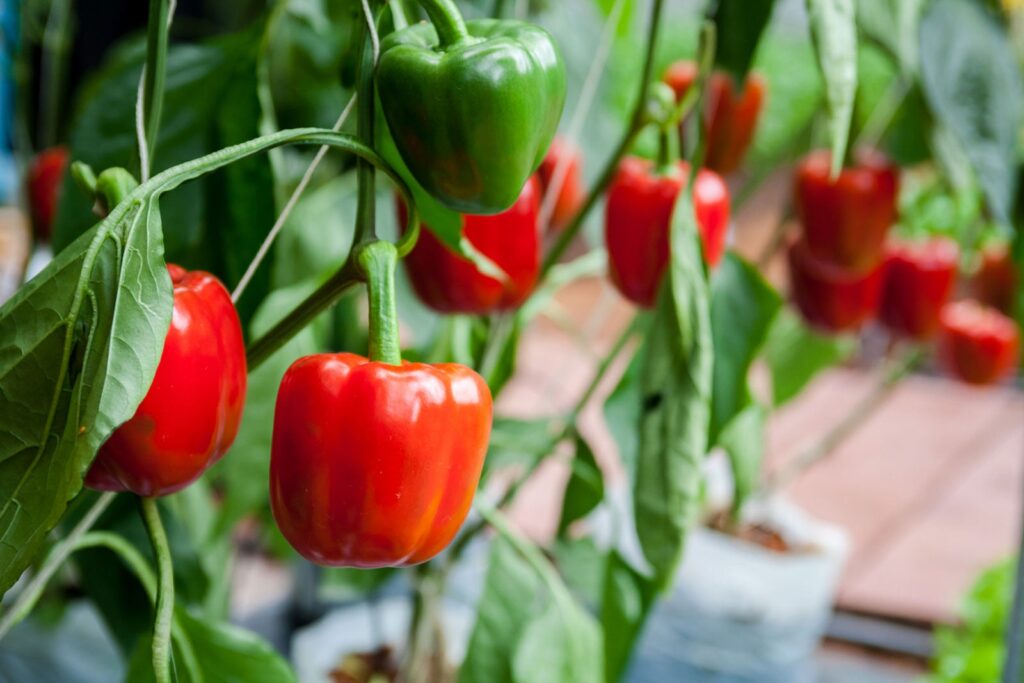
Growing Peppers: A Comprehensive Guide to Cultivation
As a beginner gardener, cultivating peppers can be a straightforward process if you follow some simple guidelines. In this article, we’ll cover everything from sowing seeds to harvesting, including tips for growing peppers in pots and various varieties.
Understanding Pepper Characteristics
Before starting your pepper cultivation journey, it’s essential to understand the plant’s characteristics. Peppers are sensitive to cold temperatures but can tolerate some frost once they’ve matured. This means that the best time to sow seeds is usually in April or May, depending on your location.
Sowing Seeds
The ideal temperature for sowing pepper seeds is between 15°C and 30°C (59°F-86°F). If you live in a warmer climate, you can even start sowing seeds in February or March. However, make sure to protect the seedlings from frost until they’re about 4-6 inches tall.
Preparing the Soil
Preparation of the soil is crucial for healthy pepper growth. In autumn or winter, vangage the area where you plan to plant your peppers, removing any debris and weeds. Add compost or well-rotted manure to improve drainage and reduce the risk of waterlogging.
To save time, you can also use composted material like mulch or straw to prepare the soil. If you’re short on time, simply add a handful of compost to the top layer of soil before planting.
Planting Peppers
After sowing the seeds, it’s essential to transplant them into individual pots when they have two or three sets of leaves. Harden off the seedlings by gradually exposing them to outdoor conditions over the course of 7-10 days.
When transplanting, ensure that the pepper plants are spaced about 12-18 inches apart and have a depth of 6-8 inches. Water the soil well after planting, making sure not to overwater.
Irrigation and Sunlight
Peppers require consistent moisture but shouldn’t be waterlogged. Check the soil daily by inserting your finger into the top 2-3 inches of soil. If it feels dry, it’s time to water.
In areas with intense sunlight, peppers can become scorched or develop brown spots on their leaves. To prevent this, provide some shade during the hottest part of the day.
Pruning and Training
Peppers are vining plants that need support as they grow. Use trellises or stakes to train the plant’s vertical growth, especially for climbing pepper varieties. Regular pruning will also help control the size of your pepper plants.
Some additional tips include:
- Prune the plant back by about one-third to encourage bushy growth.
- Remove any weak or damaged leaves to maintain air circulation and prevent disease.
- Use a fertilizer specifically formulated for peppers to promote healthy growth.
Harvesting
Peppers are ready for harvest when they reach full color and firmness. The exact date depends on the variety, but in general, you can expect to harvest peppers from June to October.
Common mistakes to avoid during harvesting include:
- Harvesting peppers too early or too late.
- Not checking the peppers regularly for ripeness.
- Using scissors or a sharp knife to cut off peppers at the stem, as this can damage the plant.
Growing Peppers: Tips and Tricks
To ensure healthy growth and maximum yields, follow these additional tips:
- Keep an eye out for pests like aphids, whiteflies, and spider mites, and use organic pest control methods whenever possible.
- Use mulch to retain moisture in the soil and suppress weeds.
- Rotate your pepper plants every few weeks to prevent fungal diseases from developing.
Growing Peppers in Pots
If you don’t have enough space in the ground for pepper plants, consider growing them in pots! Here’s a step-by-step guide:
- Choose a large pot with good drainage holes.
- Fill the pot with a high-quality potting mix specifically designed for peppers.
- Sow seeds about ¼ inch deep and 2-3 inches apart.
- Water thoroughly, making sure not to overwater.
Some popular pepper varieties for container growing include:
- Thai Hot Peppers: Spicy and compact, Thai hot peppers are perfect for small pots or balconies.
- Anaheim Peppers: Mild and sweet, Anaheim peppers grow well in containers with good drainage.
Growing Peppers in Greenhouses
If you want to grow peppers indoors, consider using a greenhouse. This will provide the plant with the warmth and light it needs to thrive.
Some tips for growing peppers in greenhouses include:
- Maintain a temperature range of 65°F-75°F (18°C-24°C) during the day and no lower than 55°F (13°C) at night.
- Provide supplemental lighting, such as LED grow lights, to promote healthy growth.
- Monitor the humidity level in the greenhouse to ensure it’s within a comfortable range for peppers.
Growing Peppers in Cold Climates
If you live in an area with cold winters, consider using techniques like cold frames or hoop houses to extend the growing season. This will allow you to grow peppers even when it’s too chilly outside.
Some tips for growing peppers in cold climates include:
- Use row covers or other forms of protection to prevent frost damage.
- Choose pepper varieties that are specifically bred for cold tolerance.
- Start seeds indoors 4-6 weeks before the last frost date, and transplant them outside when it’s safe to do so.
Frequently Asked Questions
Here are some answers to common questions about growing peppers:
Q: How often should I water my pepper plants?
A: Check the soil daily by inserting your finger into the top 2-3 inches of soil. If it feels dry, it’s time to water.
Q: What temperature range is suitable for pepper seeds?
A: Between 15°C and 30°C (59°F-86°F).
Q: How long does it take for peppers to mature?
A: Typically 70 to 80 days from sowing seeds.
Q: Can I grow peppers in a greenhouse or indoor space?
Yes, but make sure the temperature remains between 65°F-75°F (18°C-24°C) during the day and no lower than 55°F (13°C) at night.
Q: What are some common pests that affect pepper plants?
Aphids, whiteflies, spider mites, and other soft-bodied insects can all be problematic for pepper plants. Use organic pest control methods whenever possible to minimize harm to beneficial insects and the environment.
Growing peppers can be a rewarding experience, but it does require careful attention to detail. With these tips and tricks in mind, you’ll be well on your way to growing delicious and healthy peppers in no time!


