
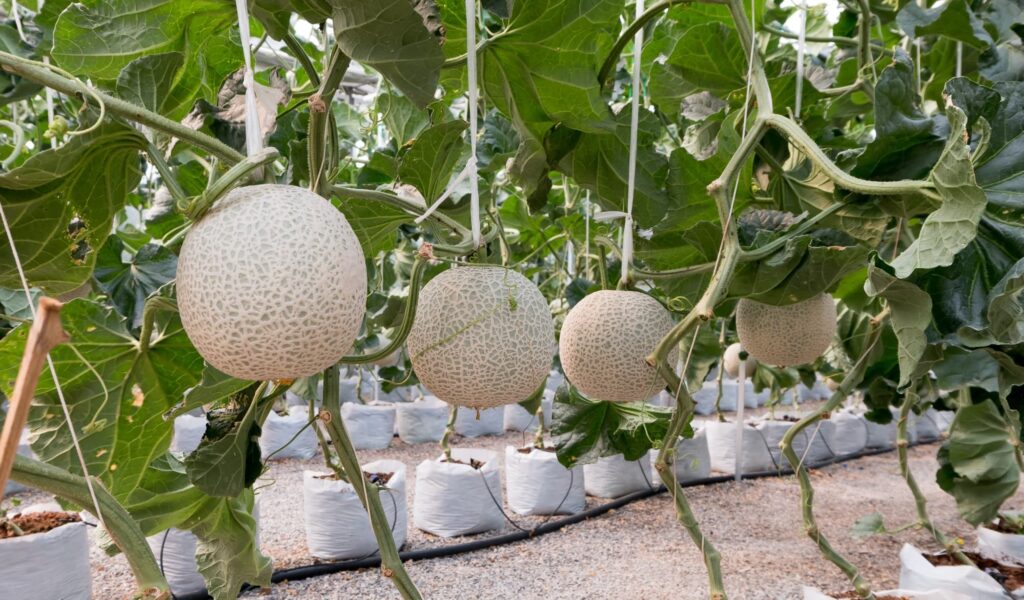
As an avid gardener, growing melons can be a rewarding experience, but it requires careful planning and attention to detail. In this article, we’ll explore the best time to plant melons, choose the right variety, and provide step-by-step instructions on how to grow them successfully.
Choosing the Right Melon Variety
When it comes to selecting a melon variety, it’s essential to consider the region you live in. Your local nursery or gardening expert can recommend the most suitable variety for your area. If you’re starting with seeds, choose a variety that is easy to germinate and grow from seed. The popular retato melon is a great option for beginners.
What Makes a Good Melon?
Before we dive into the growing process, let’s take a closer look at what makes a good melon. The retato melon is known for its:
- Medium to large size (1.8-2 kg)
- Round or elongated shape
- Thick, smooth skin with prominent ridges
- Juicy, sweet flesh with an orange color
Other popular melon varieties include cantaloupe, honeydew, and watermelon. Each variety has its unique characteristics, so it’s essential to choose one that suits your needs and preferences.
When to Plant Melons
The ideal time to plant melons depends on your location and climate. In general, it’s best to start seeds indoors in late winter or early spring (February-March) for a summer harvest. For warmer climates, you can direct sow seeds in late April or early May.
In temperate climates, you can plant melon seeds directly in the ground after the last frost date has passed. In areas with mild winters, you can start sowing seeds as early as January or February.
Tips for Sowing Seeds
When sowing seeds, make sure the soil is soft and moist. You can start sowing seeds indoors 2-3 weeks before the last frost date in your area. In cooler climates, it’s best to wait until late spring (May-June) to sow seeds directly in the ground.
To increase the chances of successful germination:
- Use fresh, high-quality seeds
- Sow seeds at the correct depth and spacing
- Provide adequate light and warmth
Ideal Soil Conditions
Melons prefer well-draining, rich soil with a pH between 6.0 and 6.8. Add compost or well-rotted manure to improve soil fertility and structure.
Some other key factors to consider when selecting the right soil for your melon plants:
- Drainage: Melons don’t like wet feet, so make sure the soil drains excess water quickly.
- Nutrient content: Melons require a balanced diet of nutrients. Test your soil to determine its nutrient levels.
- Texture: Melons prefer a slightly sandy texture to help with drainage and root growth.
How to Grow Melons
Here’s a step-by-step guide on how to grow melons:
- Sow Seeds: Plant seeds 1-2 cm deep in seed trays or small pots filled with a good quality potting mix.
- Provide Warmth: Place the seed trays or pots in a warm location (23°C) until germination occurs.
- Transplant: Once seedlings have 2-3 sets of leaves, transplant them into larger containers or directly into the ground.
- Support: Melons need support as they grow. Use a trellis or cage to keep the vines off the ground and promote even fruiting.
- Watering: Keep the soil consistently moist during the first few weeks after planting. Reduce watering as the plants mature.
- Sunlight: Provide full sun for melon plants (at least 6 hours of direct sunlight per day).
- Fertilization: Feed your melon plants with a balanced fertilizer once a month to promote healthy growth and fruiting.
Tips for Healthy Fruit
To ensure healthy fruit, follow these tips:
- Keep the area around the plant weed-free to prevent competition for nutrients.
- Avoid over-watering, which can lead to fungal diseases and root rot.
- Use a drip irrigation system or soaker hose to deliver water directly to the roots.
- Mulch around the plants to retain moisture, suppress weeds, and regulate soil temperature.
Common Challenges and Solutions
Here are some common challenges you may face when growing melons:
- Pests: Aphids, whiteflies, and spider mites can be problematic. Use organic pest control methods whenever possible.
- Diseases: Fungal diseases like powdery mildew and fusarium wilt can occur. Practice good hygiene and use fungicides as needed.
- Nutrient deficiencies: Melons require a balanced diet of nutrients. Test your soil regularly to determine its nutrient levels.
- Vine damage: Melon vines can be prone to damage from wind, hail, or frost. Provide support for the vines and protect them from harsh weather conditions.
Conclusion
Growing melons can be a rewarding experience with the right knowledge and care. By choosing the right variety, following the best practices for sowing seeds, providing ideal soil conditions, and supporting healthy fruit growth, you’ll be enjoying delicious homegrown melons in no time!
Frequently Asked Questions
- Q: When is the best time to plant melon seeds?
A: Late winter or early spring (February-March) for a summer harvest. - Q: How often should I water my melon plants?
A: Consistently moist during the first few weeks after planting, then reduce watering as the plants mature. - Q: Can I grow melons in containers?
A: Yes, but make sure the container is at least 12-18 inches deep and has good drainage holes. - Q: What is the ideal temperature for growing melons?
A: 23°C (73°F) during the day and above 15°C (59°F) at night. - Q: Can I grow melons in my backyard?
A: Yes, but make sure to check with your local nursery or gardening expert for specific advice on growing melons in your area. - Q: How long does it take for melon seeds to germinate?
A: 7-10 days after sowing seeds indoors or 2-3 weeks after direct sowing outdoors. - Q: Can I grow multiple varieties of melons together?
A: Yes, but make sure they have similar growing requirements and space needs.
By following these tips and guidelines, you’ll be well on your way to growing delicious, healthy melons in your backyard!


