
Introduction
If you’re looking for a unique and exotic flower to add some charm to your garden or indoor space, look no further than the mughetto. Also known as Lily of the valley, this delicate flower is not only beautiful but also carries a rich history and symbolism.
What is Mughetto?
The mughetto is a perennial herbaceous plant that belongs to the Asparagaceae family (also known as Liliaceae). Its scientific name is Convallaria majalis. Native to Europe, Asia, and America, this plant grows naturally in shaded areas and can be easily grown indoors or outdoors.
History of Mughetto
The mughetto has been a part of European folklore for centuries. In the 17th century, it was believed to have medicinal properties, and its leaves were used to treat various ailments. The flower itself is often associated with innocence and purity, making it a popular choice for weddings and other special occasions.
Growing Mughetto
To grow mughetto successfully, you’ll need to provide the right conditions. Here are some tips to get you started:
Positioning
Mughetto prefers partial shade to full shade. If you’re growing it indoors, choose a spot with low to moderate light. In outdoor gardens, choose a location that receives morning sun and afternoon shade.
Soil and Compost
Use a well-draining potting mix specifically designed for indoor plants. Add a layer of compost or fertilizer to the soil to promote healthy growth. Mughetto prefers slightly acidic soil with a pH range of 6.0-7.0.
Watering
Mughetto requires consistent moisture, especially during the spring and summer months. Water your plant thoroughly, but make sure not to overwater it, as this can lead to root rot. Reduce watering in winter months when the plant is dormant.
Rizomi
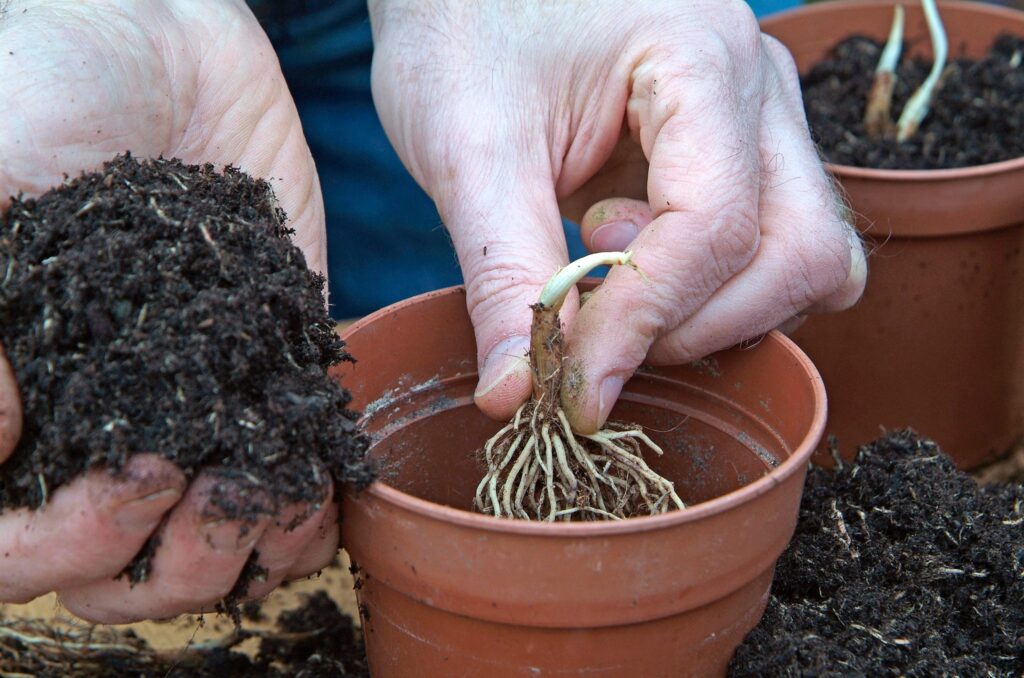
When growing from rizomi, place them about 2-3 inches deep in the soil. This will help them establish themselves quickly. Rizomi are long stems that produce new shoots and roots. They can be harvested in spring or fall, depending on your location and climate.
Pruning
Prune your mughetto regularly to encourage bushy growth and prevent flowering. Remove any dead or damaged leaves or flowers to maintain the plant’s appearance and promote healthy growth. Prune in late winter or early spring, when new growth is beginning to emerge.
Mughetto in Vase or Indoors?
Both options are viable, but keep in mind that mughetto prefers well-ventilated areas. If you’re growing it indoors, make sure to provide good airflow around the plant. In outdoor gardens, choose a location with good air circulation and protection from strong winds.
Choosing a Container
Select a container with drainage holes to prevent waterlogged soil. A 15-18 inch pot is ideal for mughetto. Choose a container that complements your home decor and provides enough space for the plant’s roots to grow.
Where to Buy Mughetto
You can find mughetto at local nurseries, garden centers, or online marketplaces like Amazon. Make sure to purchase from reputable sellers who provide healthy plants with no pests or diseases. Look for signs of healthy growth, such as green leaves and white flowers, when selecting a plant.
The Toxicity of Mughetto
Mughetto contains toxic compounds that can cause serious health issues if ingested. Keep the plant out of reach of children and pets, and avoid touching your face or eyes after handling the plant. Wear gloves when pruning or watering to minimize exposure to these toxins.
Interesting Facts
- The mughetto is also known as “Lily of the valley” due to its resemblance to the lily flower.
- In folklore, the mughetto is said to have healing properties and can be used to treat various ailments.
- Mughetto flowers are often associated with innocence and purity, making them a popular choice for weddings.
- The mughetto is a member of the Asparagaceae family, which includes other edible plants like asparagus and garlic.
- In some cultures, mughetto is believed to have spiritual significance and is used in rituals and ceremonies.
Propagation and Care
Mughetto can be propagated using rizomi or seed. Rizomi are long stems that produce new shoots and roots, making them an ideal way to multiply your plant. Seed propagation requires more care and attention, as the seeds may not germinate or grow well indoors.
Growing Mughetto from Seed
To grow mughetto from seed, sow the seeds in a well-draining potting mix about 1/4 inch deep. Keep the soil moist but not waterlogged, and provide bright, indirect light. Transplant the seedlings outdoors when they are 2-3 inches tall.
Common Problems and Solutions
Mughetto is generally a hardy plant, but it can be susceptible to certain pests and diseases. Here are some common problems and solutions:
- Aphids: Use insecticidal soap or neem oil to control aphid infestations.
- Powdery mildew: Remove infected leaves and treat the plant with fungicide.
- Root rot: Improve drainage and reduce watering to prevent root rot.
Conclusion
Growing mughetto is a rewarding experience that requires patience, care, and attention. With the right conditions and proper care, you can enjoy this beautiful flower in your home or garden. Remember to handle the plant with caution, as it contains toxic compounds. Happy growing!
FAQs
- Q: What is the best way to grow mughetto?
A:** Provide partial shade to full shade, use well-draining potting mix, and maintain consistent moisture. - Q: Is mughetto easy to care for?
A:** Yes, mughetto is relatively low-maintenance. However, it requires regular pruning and watering. - Q: Can I grow mughetto indoors?
A:** Yes, but make sure to provide good airflow around the plant and maintain consistent moisture. - Q: What is the toxicity level of mughetto?
A:** Mughetto contains toxic compounds that can cause serious health issues if ingested. Keep the plant out of reach of children and pets. - Q: Can I use mughetto as a decorative element?
A:** Yes, mughetto flowers are often associated with innocence and purity, making them a popular choice for weddings and special occasions. - Q: Where can I buy mughetto?
A:** You can find mughetto at local nurseries, garden centers, or online marketplaces like Amazon. - Q: How long does it take for mughetto to bloom?
A:** Mughetto blooms in late spring and early summer, with the exact timing depending on your location and climate. - Q: Can I propagate mughetto using rizomi?
A:** Yes, place the rizomi about 2-3 inches deep in the soil, and keep them moist until they establish themselves.
Tips for Growing Mughetto
- Use a well-draining potting mix to prevent waterlogged soil.
- Maintain consistent moisture levels to promote healthy growth.
- Provide good airflow around the plant to prevent fungal diseases.
- Prune regularly to encourage bushy growth and prevent flowering.
- Keep the plant out of reach of children and pets due to its toxicity.
Growing Mughetto in Different Environments
Mughetto can be grown in a variety of environments, including:
- Indoors: Provide good airflow around the plant, and maintain consistent moisture levels.
- Outdoors: Choose a location with partial shade to full shade, and well-draining soil.
- In containers: Use a container with drainage holes, and maintain consistent moisture levels.
Conclusion
Growing mughetto is a rewarding experience that requires patience, care, and attention. With the right conditions and proper care, you can enjoy this beautiful flower in your home or garden. Remember to handle the plant with caution, as it contains toxic compounds. Happy growing!


