
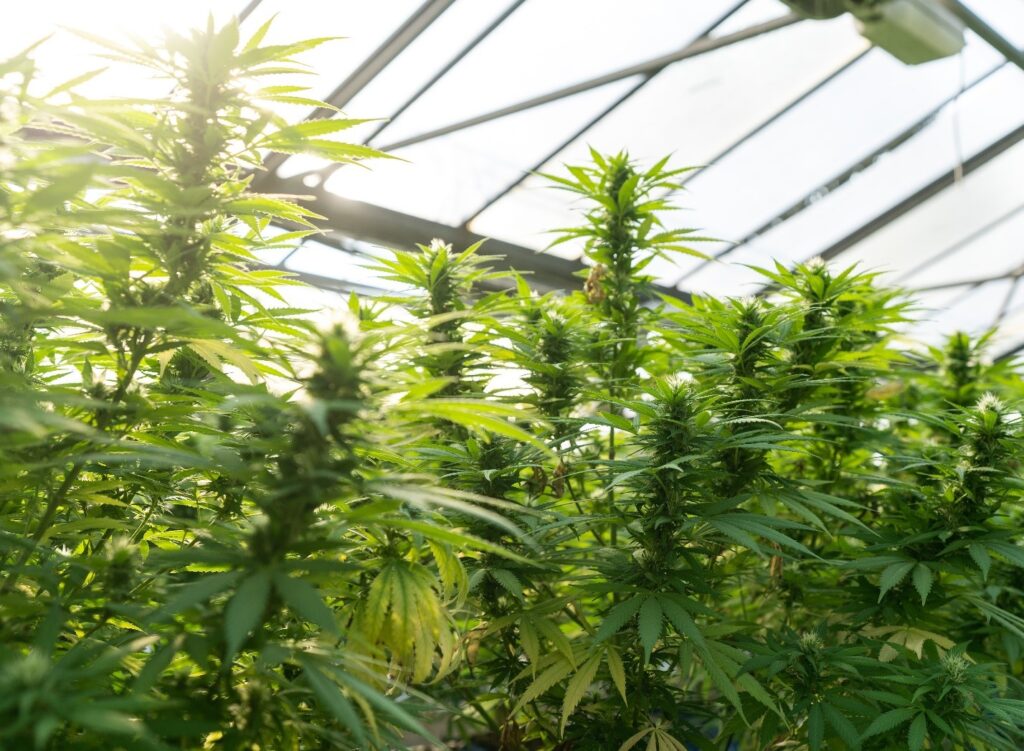
Growing hemp in Italy is a legal practice as long as the variety of hemp cultivated contains a THC level of less than 0.2% and follows the procedures established by Italian law or the Ministry of Agricultural, Food, and Forestry Policies (MIPAAF) Circular No. 1 of May 8, 2002.
Getting Started with Hemp Cultivation
The fastest way to begin a hemp cultivation is to order seeds from Association of Cannapiculture (Coordinamento Nazionale per la Canapicoltura), sending an email to [email protected] or calling the number 011/97.15.898, Monday through Friday, for all necessary information.
What is Hemp?
Hemp, also known as Cannabis in Latin, is a plant belonging to the Cannabaceae family, which includes hemp and cannabis. Hemp has a wide range of uses, including:
• Production of fibers
• Medicinal use as an anti-inflammatory agent
• Component of plastic fibers
• Fertilizers
• Automotive seat cushions
• Building materials
• Cosmetics
Hemp varieties with high tetrahydrocannabinol (THC) levels (7-24%) have a psychoactive effect that led to the prohibition of hemp in 1937, with President Roosevelt signing the “Marihuana Tax Act”. Other countries soon followed the US lead and banned not only THC-rich varieties but also low-THC Sativa varieties used solely for textile and industrial purposes.
Hemp Cultivation: Where and How
Hemp is a resistant plant that can thrive in various soil types and altitudes up to 1,500 meters above sea level. Sowing hemp typically takes place in March and April, with recommended seed quantities of 50 kilograms per acre, sown using a grain harvester equipped for hemp seeds on prepared soil with adequate moisture for germination.
Hemp is a natural weed suppressant because it grows faster than other plants, outcompeting them. Hemp harvesting occurs mid-August using a reaper bar, followed by bagging after being left in the field for a brief period to encourage partial maceration.
Re-emergence of Hemp Cultivation in Italy
Hemp cultivation has made a comeback in Italy, with predicted growth doubling from 2014. This article provides a comprehensive guide for those interested in growing hemp, covering its benefits, history, cultivation techniques, and more.
Pharmacological Properties of Hemp
In Hindu culture, hemp was considered a sacred plant known by the terms “bhanga” and “ganjika” in Sanskrit and “ganja” in Hindi. It was used as an anti-inflammatory agent and to alleviate nausea and vomiting. Recent studies have confirmed hemp’s benefits against asthma and movement disorders. Additional research is ongoing but will not be covered here due to medical delicacy.
History of Hemp Cultivation
Hemp has been cultivated for thousands of years, dating back to ancient China where it was used as a food source and fiber crop. In Europe, hemp was widely grown during the Middle Ages for its fibers and seeds, which were used in the production of bread, oil, and other products.
Modern Hemp Cultivation
In recent years, there has been a growing interest in hemp cultivation due to its potential uses in the production of textiles, plastics, building materials, and cosmetics. Italy has seen a surge in hemp farming, with many farmers choosing to cultivate this versatile crop.
Benefits of Growing Hemp
Growing hemp can provide several benefits, including:
• Reduced competition from invasive weeds
• Increased soil fertility through the use of hemp seed cake as fertilizer
• Improved crop yields due to the natural pest repellent properties of hemp
• Increased revenue potential for farmers through the sale of hemp fibers and products
Challenges Facing Hemp Cultivation
Despite its many benefits, hemp cultivation can be challenging. Some of the common challenges facing hemp farmers include:
• Limited market demand for hemp products
• High initial investment costs for seed, equipment, and infrastructure
• Regulatory hurdles and bureaucratic red tape
• Limited knowledge and experience among farmers
Conclusion
Growing hemp in Italy presents a fascinating opportunity for those interested in sustainable agriculture, medicinal use, or simply wanting to capitalize on the industry’s growing demand. This comprehensive guide provides essential information to ensure a successful and compliant hemp cultivation experience.
Frequently Asked Questions (FAQs)
- Is it legal to grow hemp in Italy?
Yes, as long as the variety of hemp contains less than 0.2% THC and adheres to Italian law or MIPAAF Circular No. 1.
- What are the most common uses for hemp?
Hemp has a wide range of applications, including fibers, medicinal use, plastic fibers, fertilizers, automotive seat cushions, building materials, and cosmetics.
- Why is THC an issue in hemp cultivation?
THC content above 0.2% leads to psychoactive effects, making it illegal or heavily restricted in many countries, like the US (with the “Marihuana Tax Act”).
- What are some historical examples of hemp prohibition?
The 1937 “Marihuana Tax Act” in the US was followed by other countries banning THC-rich and low-THC varieties.
- How does hemp grow quickly suppress weeds?
Hemp grows faster than other plants, outcompeting them to become a natural weed suppressant.
- Is it possible to harvest hemp before maturity?
Leaving hemp on the field for a short period allows partial maceration and better quality of harvested fibers.
- What are some potential health benefits of consuming hemp products?
Recent studies have confirmed hemp’s benefits against asthma, movement disorders, and other medical conditions.
- Can I use hemp seeds or plants in agriculture beyond fiber production?
Yes, hemp can be used as fertilizer, building material, automotive parts, cosmetics, and more, showcasing its versatility.
Additional Tips for Growing Hemp
• Plant hemp in a field with adequate sunlight (at least 6 hours of direct sunlight per day) and well-draining soil.
• Use organic fertilizers to promote healthy plant growth and reduce the risk of disease.
• Monitor weather conditions closely, as extreme temperatures or excessive rainfall can impact crop yields.
• Consider using integrated pest management techniques, such as crop rotation and biological control methods, to minimize chemical use.
Hemp Cultivation Regulations in Italy
The Italian government has established specific regulations for hemp cultivation, including:
• Minimum THC levels: 0.2%
• Maximum THC levels: Not specified
• Restricted areas: Areas with high population density or near schools and public institutions
• Required permits and licenses: Farmers must obtain a permit from the Ministry of Agricultural, Food, and Forestry Policies (MIPAAF) before commencing cultivation.
Hemp Industry in Italy
The Italian hemp industry is growing rapidly, with many companies investing in research and development to improve crop yields and product quality. Some of the key players in the Italian hemp market include:
• Hemp farmers and producers
• Textile manufacturers
• Cosmetics and personal care companies
• Automotive suppliers
Conclusion
Growing hemp in Italy offers a unique opportunity for sustainable agriculture, medicinal use, and economic growth. By following the guidelines outlined in this comprehensive guide, hemp farmers can ensure a successful and compliant cultivation experience.


