
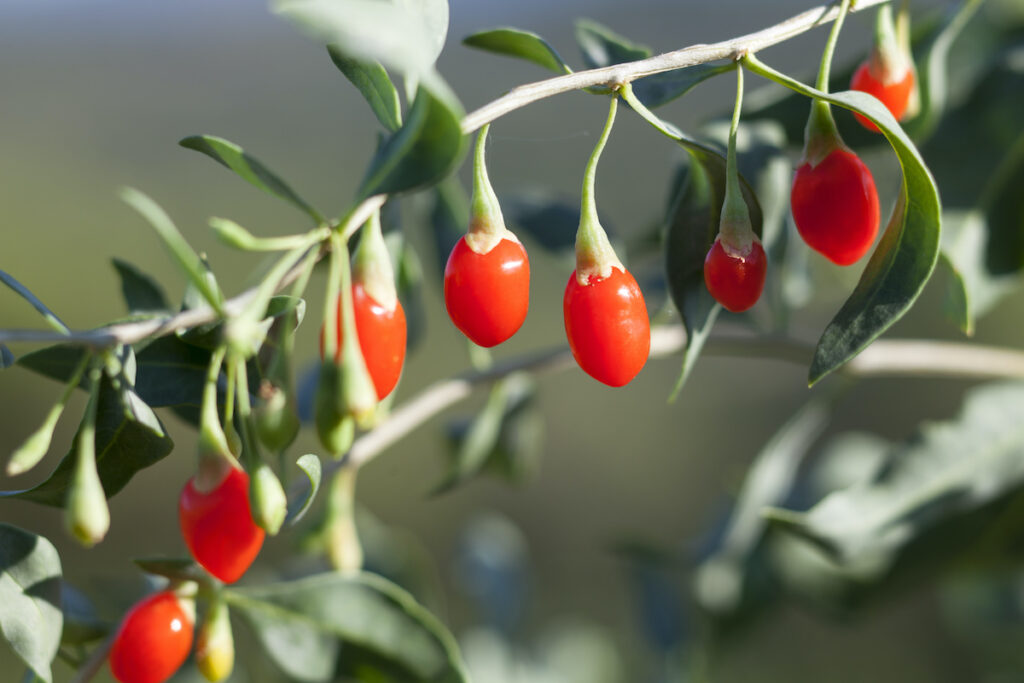
As the demand for nutritious and exotic fruits continues to rise, growing goji berries in Italy has become an increasingly popular choice among gardeners and fruit enthusiasts. In this article, we will delve into the world of goji cultivation, providing you with essential tips, tricks, and insights to help you grow these delicious and beneficial berries.
What are Goji Berries?
Goji berries are a type of solanaceous perennial native to Asia, rich in carotenoids and vitamin C. These tiny fruits have been prized for their antioxidant properties and are believed to promote overall health and well-being. With the right conditions and care, goji berries can thrive in Italy’s climate.
Choosing the Right Time to Grow Goji Berries
When deciding when to grow goji berries, spring is the best season to begin. In the spring, the soil is warm, and the plants are actively growing, making it ideal for planting. Avoid planting during the winter months (November to January), as this can lead to stress and reduced growth.
Preparing the Soil
To prepare the soil for your goji berries, follow these steps:
- Choose a location with full sun to partial shade
- Select a spot with well-draining soil and a pH between 6.0 and 7.0
- Create a bed that is at least 2 meters square (6 feet x 6 feet) for optimal growth
Planting Goji Berries
When planting goji berries, make sure to:
- Plant the seedlings in the spring or fall, when the weather is cooler
- Space the plants about 30-40 cm (12-16 inches) apart
- Water thoroughly after planting and keep the soil consistently moist
Caring for Your Goji Berries
To ensure your goji berries receive the care they need:
- Watering: Water your goji berries when the fruit is developing or during periods of drought. Avoid overwatering, which can lead to root rot.
- Fertilization: Feed your goji berries with a balanced fertilizer (10-10-10 NPK) once a month. You can also use organic fertilizers like compost tea or fish emulsion.
- Pest and Disease Management: Keep an eye out for pests like aphids, acari, and fungi. Use organic pest control methods whenever possible.
Pruning Goji Berries
Pruning is essential to maintain the health and productivity of your goji berry plants. Follow these pruning tips:
- Prune the plant in late winter or early spring to remove dead stems and promote new growth
- Cut back the plant to about 30-40 cm (12-16 inches) from the ground after harvesting
- Remove any weak or spindly growth to encourage bushy development
Pest and Disease Management
Goji berries are susceptible to various pests and diseases, including:
- Aphids: Use neem oil or insecticidal soap to control aphid infestations.
- Acari: Apply diatomaceous earth or pyrethrin sprays to control acari populations.
- Fungi: Use copper-based fungicides or practice good sanitation techniques to prevent fungal diseases.
Harvesting Goji Berries
When it’s time to harvest your goji berries:
- Check the fruit regularly for ripeness (usually between July and October)
- Gently pull the berries from the plant or use a small scoop to avoid damaging the stem
- Harvest the berries every 10 days to encourage continuous production
Where to Buy Goji Berries Seeds
If you’re new to growing goji berries, it’s easy to find high-quality seeds online. Look for reputable suppliers that offer affordable prices and good germination rates.
Buying a Ready-to-Plant Goji Berry
If you prefer to start with a mature plant, many nurseries and online retailers sell ready-to-plant goji berry seedlings. This is a great option if you’re short on time or want to skip the propagation process.
Growing Goji Berries in Containers
You can also grow goji berries in containers, which can be a great option for small gardens or balconies. Follow these tips:
- Choose a container with good drainage and at least 2 meters of space for the plant
- Use a well-draining potting mix specifically designed for fruit plants
- Water thoroughly after planting and keep the soil consistently moist
Growing Goji Berries Indoors
While goji berries require plenty of sunlight, you can still grow them indoors if provided with sufficient light. Follow these tips:
- Choose a south-facing window or use grow lights to provide at least 6 hours of direct sunlight per day
- Use a well-draining potting mix and a container that is at least 2 meters square (6 feet x 6 feet)
- Water thoroughly after planting and keep the soil consistently moist
Propagation Methods
Goji berries can be propagated using various methods, including:
- Seed: Sow seeds in the spring or fall, about 1-2 cm deep. Keep the soil consistently moist until germination.
- Stem cuttings: Take 10-15 cm stem cuttings in the spring or fall and plant them in a well-draining potting mix.
- Layering: Bend a stem down to the ground and cover it with soil. Roots should develop within a few weeks.
Growing Goji Berries in Italy’s Climate
Italy has a Mediterranean climate, characterized by hot summers and mild winters. To grow goji berries successfully in this climate:
- Provide adequate shade during the hottest summer months
- Water regularly during periods of drought
- Fertilize with a balanced fertilizer once a month
Common Problems
Goji berries can be susceptible to various problems, including:
- Powdery mildew: Use fungicides or practice good sanitation techniques to prevent powdery mildew.
- Root rot: Avoid overwatering and ensure good drainage to prevent root rot.
- Pests: Keep an eye out for pests like aphids, acari, and fungi. Use organic pest control methods whenever possible.
Tips and Tricks
Growing goji berries can be a rewarding experience, but it requires attention to detail and patience. Here are some tips and tricks to help you succeed:
- Start with healthy seedlings or established plants
- Provide adequate light and water
- Fertilize regularly to promote healthy growth
- Monitor for pests and diseases
- Harvest the fruit regularly to encourage continuous production
Conclusion
Growing goji berries in Italy can be a rewarding experience, especially when done correctly. By following these guidelines, you’ll be well on your way to enjoying the numerous health benefits and delicious flavor of these exotic fruits. Happy growing!
Frequently Asked Questions (FAQs)
Q: What is the best time to plant goji berries?
A: Spring or fall are ideal times to plant goji berries in Italy.
Q: How much water do I need for my goji berries?
A: Water your goji berries when the fruit is developing or during periods of drought. Avoid overwatering, which can lead to root rot.
Q: What kind of fertilizer should I use for my goji berries?
A: Use a balanced fertilizer (10-10-10 NPK) once a month. You can also use organic fertilizers like compost tea or fish emulsion.
Q: How often do I need to harvest my goji berries?
A: Harvest your goji berries every 10 days to encourage continuous production.
Q: Can I grow goji berries in containers?
A: Yes, you can grow goji berries in containers. Choose a container with good drainage and at least 2 meters of space for the plant.
Q: Are goji berries suitable for indoor growing?
A: Goji berries require plenty of sunlight and can thrive indoors if provided with sufficient light and care.
Q: Can I propagate my goji berries from cuttings?
A: Yes, you can propagate your goji berries from cuttings. Take 10-15 cm stem cuttings in the spring or fall and plant them in a well-draining potting mix.
Q: How do I protect my goji berries from pests and diseases?
A: Keep an eye out for pests like aphids, acari, and fungi. Use organic pest control methods whenever possible.
Q: What are some common problems with growing goji berries?
A: Goji berries can be susceptible to various problems, including powdery mildew, root rot, and pests. Monitor your plants regularly and take action when necessary.
Q: Can I grow goji berries in Italy’s climate?
A: Yes, you can grow goji berries successfully in Italy’s Mediterranean climate. Provide adequate shade during the hottest summer months, water regularly during periods of drought, and fertilize with a balanced fertilizer once a month.


