
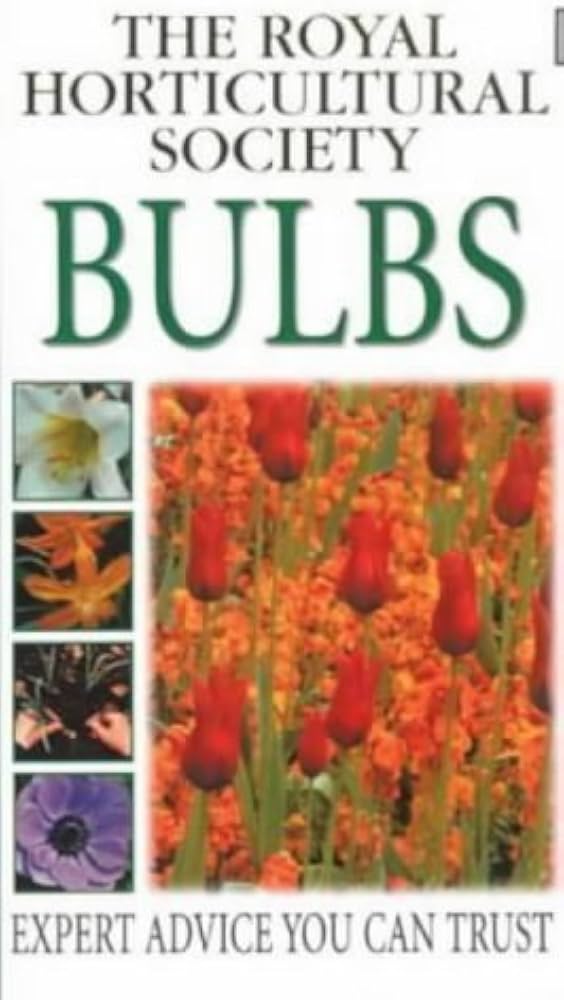
As the seasons change, it’s always the right time to cultivate bulb flowers. With the right guidance, you can enjoy a stunning display of colorful blooms in your garden. From tulips and daffodils to irises and scilla, there are countless options to choose from. In this comprehensive guide, we’ll cover everything you need to know about growing bulb flowers, including when to plant, how to care for them, and tips for creating a stunning display.
When to Plant Bulb Flowers
Knowing when to plant bulb flowers is crucial for a successful harvest. There are three main types of bulb flowers: spring-flowering, summer-flowering, and autumn/winter-flowering. Here’s when to plant them:
- Spring-Flowering Bulbs: Tulips, daffodils, and hyacinths should be planted in the fall, around October or November. These bulbs will bloom in the spring, providing a vibrant display of color.
- Summer-Flowering Bulbs: Lilies, gladiolus, and dahlias are best planted in the spring, between March and April. These bulbs will bloom during the summer months, adding a pop of color to your garden.
- Autumn/Winter-Flowering Bulbs: These bulbs include irises, scilla, muscari, and anemones. They should be planted in the fall as well. Autumn/winter-flowering bulbs will bloom in late winter or early spring, providing a beautiful display of color during the chilliest months.
How to Plant Bulb Flowers
Proper planting is essential for a successful harvest. Here are some tips:
- Plant bulb flowers with the pointed end facing upwards.
- Plant at a depth that is twice or three times their height. For example, if you’re planting a 3-inch tall tulip, plant it about 6-9 inches deep.
- Make sure the soil level is the same as it was in the pot. If your bulb flower has been potted for an extended period, gently trim off any dead leaves or roots to prevent rotting.
The Benefits of Growing Bulb Flowers
Bulb flowers add beauty and color to your garden. Here are some reasons why you should grow them:
- Colorful Blooms: Bulb flowers come in a variety of colors, including red, yellow, pink, white, and bi-colored.
- Low Maintenance: Once planted, bulb flowers require minimal care. They can thrive in poor soil and tolerate drought.
- Perennial Flowers: Many types of bulb flowers are perennial, meaning they will return year after year.
- Long-Lasting Blooms: Bulb flowers typically bloom for several weeks or even months, providing a long-lasting display of color.
Choosing the Right Bulb Flowers
Not all bulb flowers are created equal. Here’s a guide to help you choose the right ones:
- Iris: Iris reticulata is an excellent choice for winter blooms. These bulbs produce delicate flowers in shades of blue and white.
- Scilla and Muscari: These bulbs produce beautiful blue flowers in late winter and early spring. They’re perfect for adding a pop of color to your garden during the chilliest months.
- Giant Tulips: If you want to create a dramatic display, giant tulips are a great option. These bulbs can grow up to 12 inches tall, providing a stunning focal point in your garden.
Tips for a Successful Harvest
Here are some additional tips to ensure a successful harvest:
- Plant bulb flowers in groups of 10-20 for optimal results. This will create a stunning display of color and help prevent overcrowding.
- Choose bulb flowers that are suitable for your climate and soil type. Some bulbs may not thrive in hot or humid climates, so make sure to choose varieties that can handle your local conditions.
- Keep the soil well-drained to prevent rot. Bulb flowers don’t like wet feet, so make sure to plant them in a spot with good drainage.
Bulb Flowers for Rock Gardens or Vases
If you want to add some color to your rock garden or vase, here are some bulb flower options:
- Cyclamen: These small bulbs produce delicate flowers in shades of pink and white. They’re perfect for adding a touch of elegance to your rock garden or vase.
- Sternbergia: This plant produces bright yellow flowers in the spring. It’s an excellent choice for adding a pop of color to your rock garden or vase.
Tips for Working with Bulb Flowers
Some bulb flowers can be delicate, so it’s essential to handle them with care. Here are some tips:
- Keep bulb flowers away from children and pets if they’re toxic. Some bulbs, like lilies and tulips, can be toxic if ingested.
- Avoid planting bulb flowers in areas that receive direct sunlight during the hottest part of the day. Bulb flowers prefer partial shade to full sun, depending on the type.
Common Mistakes to Avoid
Here are some common mistakes to avoid when growing bulb flowers:
- Planting bulbs too deeply can prevent them from blooming properly.
- Not providing enough water can cause bulbs to rot or fail to bloom.
- Planting bulbs in areas with poor drainage can lead to root rot and other problems.
Conclusion
Growing bulb flowers is a rewarding experience that can add beauty and color to your garden. By following these tips and choosing the right bulb flowers, you’ll be well on your way to creating a stunning display of colorful blooms. Whether you’re planting in the spring or fall, with the right guidance, you can enjoy a bountiful harvest of beautiful bulbs.
Frequently Asked Questions (FAQs)
- What’s the best time to plant bulb flowers?
The best time to plant bulb flowers depends on the type of bulb and your climate. - How deep should I plant my bulb flowers?
Plant bulb flowers at a depth that is twice or three times their height. - Can I plant bulb flowers in any soil?
No, some bulb flowers require well-drained soil to prevent rot. - How often do I need to water my bulb flowers?
Water your bulb flowers sparingly until they bloom, then reduce watering to once a week during hot weather. - Can I grow bulb flowers indoors?
Yes, many types of bulb flowers can be grown indoors in pots or vases. - How long does it take for bulb flowers to bloom?
The blooming time varies depending on the type of bulb flower and growing conditions. - Can I divide my bulb flowers?
Yes, some types of bulb flowers can be divided after they finish blooming to encourage new growth. - What’s the best way to care for my bulb flowers?
Water your bulb flowers sparingly until they bloom, then reduce watering to once a week during hot weather.


