
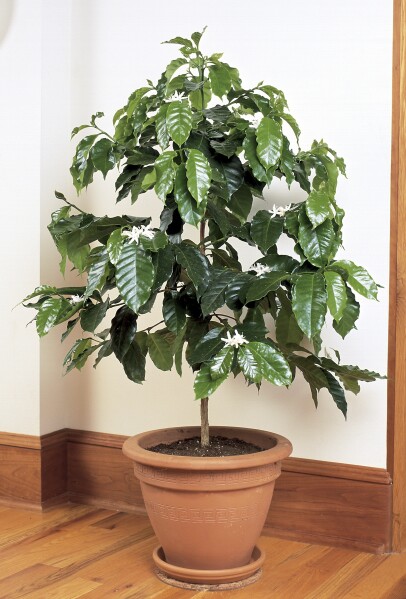
As coffee enthusiasts, we often take for granted the convenience of buying our daily cups from local cafes or supermarkets. However, with a little knowledge and effort, you can grow your own coffee plant at home, providing fresh, high-quality beans for brewing. In this article, we’ll delve into the world of Arabica coffee, explore why growing coffee at home is an exciting endeavor, and provide a step-by-step guide on how to care for your coffee plant.
What is Arabica Coffee?
Arabica (Coffea arabica) is a species of coffee that has been widely cultivated in various parts of the world, including Africa, Asia, and Latin America. It’s considered to be one of the finest coffee varieties due to its mild flavor, medium body, and sweet aroma.
Why Grow Coffee at Home?
Growing coffee at home can add an extra layer of enjoyment to your daily routine. Not only will you have access to fresh, high-quality beans, but you’ll also appreciate the process of nurturing a living plant in your care. Here are some reasons why growing coffee at home is an excellent idea:
- Freshness: When you grow your own coffee, you can harvest it when it’s ripe and enjoy the freshest flavor possible.
- Cost-effective: Buying coffee beans from local farmers or online can be more cost-effective than purchasing high-quality Arabica beans from specialty coffee shops.
- Sustainability: By growing your own coffee, you’re reducing your carbon footprint and supporting sustainable agriculture practices.
- Personal satisfaction: Nurturing a living plant can bring a sense of accomplishment and pride in your work.
How to Care for Your Coffee Plant
Coffee plants are relatively easy to care for, especially when grown indoors. However, they do require some specific conditions to thrive.
Choosing the Right Environment
Coffee plants prefer:
- Bright, indirect light: Direct sunlight can cause the leaves to become scorched, while artificial lighting may not provide enough UV rays.
- Temperatures between 65-75°F (18-24°C): Avoid placing your coffee plant near heating vents or drafty windows.
- Humidity levels above 50%: Use a humidifier if necessary to maintain optimal humidity levels.
Watering and Fertilization
To ensure optimal growth, water your coffee plant thoroughly:
- Allow the top 1-2 inches of soil to dry out between waterings: Overwatering can lead to root rot and other problems.
- Use a balanced fertilizer (20-20-20): During the growing season (spring-fall), apply the recommended amount to promote healthy growth.
- Dilute the fertilizer to half the recommended strength: To avoid burning the roots, start with a weaker solution.
Pruning and Potting
To maintain the shape of your coffee plant:
- Prune it regularly, removing any dead or damaged leaves: This will encourage new growth and prevent disease.
- Use a well-draining potting mix specifically designed for indoor plants: Avoid using regular potting soil, which can retain too much moisture.
- Repot your coffee plant every 6-12 months: Provide fresh soil and a larger pot if necessary.
Tips and Tricks
Here are some additional tips to help you grow a healthy and productive coffee plant:
- Coffee plants can reach up to 10 feet tall, but they can be pruned to maintain a smaller size: Pruning will also promote bushy growth.
- They’re relatively pest- and disease-free, but may require occasional treatment for spider mites or scale: Regular inspections will help prevent infestations.
- Harvest your coffee cherries when they turn bright red, typically between June and September: This is the best time to pick fresh fruit.
Common Challenges
Growing coffee at home can be a rewarding experience, but it’s not without its challenges. Here are some common issues you may encounter:
- Pests and diseases: Regularly inspect your plant for signs of infestation or infection.
- Light deficiency: Ensure that your coffee plant receives sufficient light to prevent leaf loss.
- Overwatering: Monitor the soil moisture levels closely, as overwatering can lead to root rot.
Conclusion
Growing coffee at home can be a fun and rewarding experience. With proper care and attention, your coffee plant should thrive, providing you with fresh, high-quality beans for brewing. Don’t hesitate to reach out if you have any questions or concerns along the way.
Frequently Asked Questions
- How long does it take for a coffee plant to produce fruit?
- Can I grow coffee plants outdoors?
- How often should I water my coffee plant?
- What type of fertilizer is best for coffee plants?
- Can I propagate coffee plants from cuttings or seeds?
These FAQs will help address some common concerns and provide you with the information you need to grow a healthy and productive coffee plant.
Additional Resources
If you have any additional questions or need further guidance, please don’t hesitate to contact us. We’re happy to help you on your journey to growing delicious coffee at home.
By following these steps and tips, you’ll be well on your way to growing a thriving coffee plant in no time. Happy growing!


