
Introduction
Growing carnivorous plants can be a fascinating and rewarding hobby. These unique plants have adapted to thrive in environments with limited nutrients, making them perfect for indoor gardening. In this article, we will provide you with the essential guide to growing carnivorous plants, from selecting the right soil to providing the necessary care.
Carnivorous plants are known for their ability to obtain essential nutrients by capturing and digesting insects, making them ideal for indoor gardens. With over 600 species of carnivorous plants, including Drosera capensis, Dionaea muscipula, Sarracenia purpurea, and Nepenthes, you’re sure to find a variety that suits your needs.
Understanding Carnivorous Plants
Carnivorous plants are acid-loving plants that require a specific environment to thrive. They have evolved to obtain nutrients by capturing and digesting insects, making them ideal for indoor gardens. These plants can be divided into three main categories:
- Sundews: Drosera capensis is one of the most popular sundew species, known for its sticky leaves that trap insects.
- Venus Flytraps: Dionaea muscipula is another iconic carnivorous plant species, with modified leaves that snap shut to capture prey.
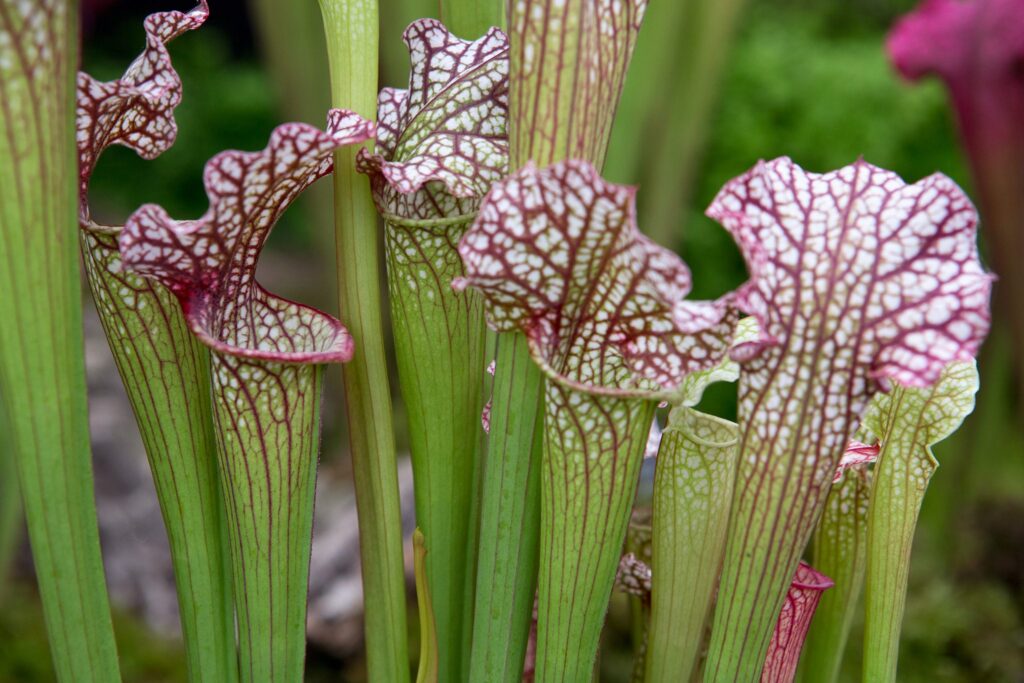
- Pitcher Plants: Sarracenia purpurea and Nepenthes are examples of pitcher plants, which use a deep cupped structure to trap insects.
Choosing the Right Soil
When selecting a soil mix for your carnivorous plant, it’s essential to choose one that is acidic and poor in nutrients. A good starting point is a mixture of peat moss or torf, perlite, and vermiculite. These ingredients provide the necessary structure, acidity, and moisture retention for carnivorous plants.
Avoid using regular potting soil, as it can be too alkaline for these plants. Regular potting soil typically contains lime and other nutrients that are not required by carnivorous plants.
Watering and Irrigation
Carnivorous plants require a consistent supply of water, but not in the form of tap water. Tap water has a pH level of around 7-8, which can alter the soil’s acidity. Instead, use distilled or rainwater to water your carnivorous plant. It’s also essential to avoid overwatering, as this can lead to root rot.
Water your carnivorous plant at the same time every day, using a watering can with a long spout to prevent washing away the tiny pitchers and traps. Make sure the pot has good drainage holes to prevent waterlogging.
Temperature and Light
Most carnivorous plants require high humidity and low temperatures to thrive. Some species, such as Drosera capensis, can tolerate higher temperatures, while others, like Dionaea muscipula, prefer cooler conditions.
Provide a bright, indirect light source for your carnivorous plant. Direct sunlight can be too intense and may cause the leaves to become scorched or discolored.
Growing Carnivorous Plants in Terrariums
For more delicate or sensitive species, growing carnivorous plants in terrariums can be an excellent option. Terrariums provide a controlled environment with high humidity and low air circulation, making them ideal for carnivorous plants.
When creating a terrarium for your carnivorous plant, use a clear glass or plastic container to allow for maximum light penetration. Add a layer of small rocks or pebbles at the bottom of the container to improve drainage.
Starting from Seeds
Some carnivorous plant species, like Drosera, can be grown from seed. Sowing seeds requires careful attention to detail, including using a suitable substrate and providing sufficient light.
Use a propagation tray with separate cells for each seedling, filled with a mixture of peat moss or torf and perlite. Keep the soil consistently moist but not waterlogged.
Pest Control
Carnivorous plants can be susceptible to pests like spider mites, mealybugs, and scale insects. Check your plant regularly for signs of infestation, such as fine webbing or white powdery patches.
To control pests, use neem oil or insecticidal soap according to the product’s instructions.
Fertilization
Carnivorous plants require a balanced diet that includes essential nutrients like nitrogen, phosphorus, and potassium. Use a balanced fertilizer specifically designed for carnivorous plants, following the product’s instructions.
Avoid overfertilizing, as this can cause an imbalance in the soil’s nutrient levels.
Repotting
Carnivorous plants typically need to be repotted every 2-3 years, when they become pot-bound. Choose a fresh soil mix specifically designed for carnivorous plants and a container that is slightly larger than the previous one.
When repotting, gently remove the plant from its old container, taking care not to damage the roots or pitchers. Trim any dead or damaged roots, if necessary.
Conclusion
Growing carnivorous plants can be a rewarding hobby that requires careful attention to detail. By following these guidelines, you can create an ideal environment for your carnivorous plant to thrive.
Remember to choose the right soil mix, provide consistent watering, maintain optimal temperatures, and offer bright, indirect light. With patience and dedication, you’ll be able to enjoy the unique beauty of carnivorous plants in your home or garden.
Frequently Asked Questions (FAQs)
-
What is the best soil mix for carnivorous plants?
A mixture of peat moss or torf, perlite, and vermiculite is recommended for carnivorous plants.
2. How often should I water my carnivorous plant?Carnivorous plants require consistent watering, but avoid overwatering. Water with distilled or rainwater to prevent altering the soil’s acidity.
3. What temperature range do carnivorous plants prefer?Most carnivorous plants prefer temperatures between 20-30°C (68-86°F), although some species can tolerate higher or lower temperatures.
4. How do I provide bright, indirect light for my carnivorous plant?Use a grow light or place your plant near a north-facing window to provide the necessary light.
5. Can I grow carnivorous plants in terrariums?Yes, growing carnivorous plants in terrariums can be an excellent option for more delicate or sensitive species.
6. How do I start growing carnivorous plants from seeds?Use a suitable substrate, such as peat moss or torf, and provide sufficient light to induce germination.
7. What is the best way to repot my carnivorous plant?Repot your carnivorous plant in the spring when it becomes pot-bound, using a fresh soil mix specifically designed for carnivorous plants.
8. Can I feed my carnivorous plant insects?While carnivorous plants obtain nutrients from insects, it’s not necessary to feed them manually. A balanced diet of water and nutrients will suffice.


