
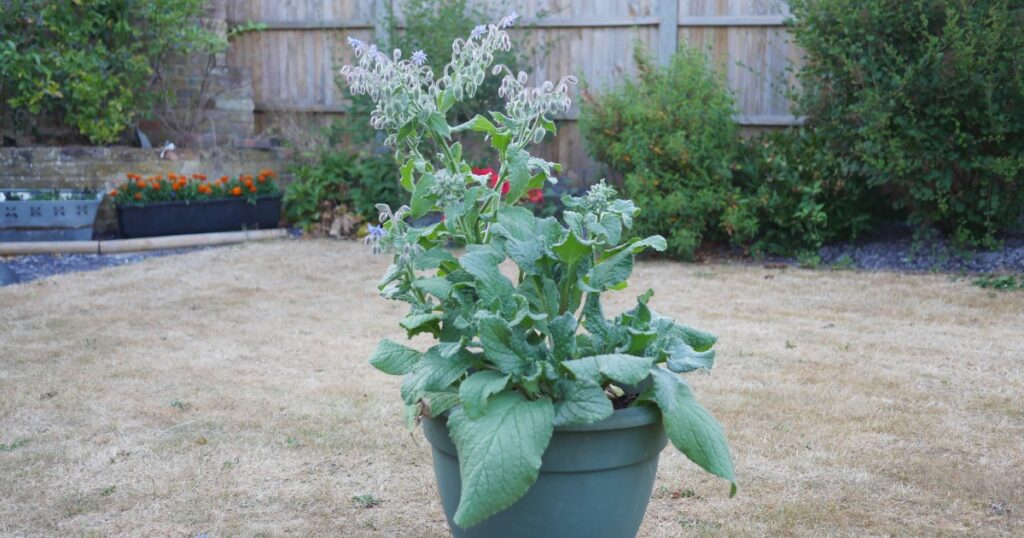
Borage is a versatile and nutritious plant that can be grown in pots or in the garden. From its use in oil production to its health benefits, borage has been a popular choice for many gardeners and cooks alike.
What is Borage?
Botanically known as Borago officinalis, borage is an annual herb native to Europe, including Italy. It belongs to the Boraginaceae family and can grow up to 80 cm in height, with large oval-shaped leaves that have a rough texture. The plant has a distinctive star-shaped flower that blooms in shades of blue, purple, and white.
Why Grow Borage?
Borage leaves are highly valued for their unique flavor and nutritional properties. They are often used in cooking and herbal remedies, making it an ideal plant for gardeners who want to add some extra nutrition to their meals. In this article, we will explore the process of growing borage, its multiplication methods, and provide tips on how to care for this beautiful herb.
History of Borage
Borage has been used for centuries in traditional medicine and cooking. The ancient Greeks and Romans used it to treat a variety of ailments, including insomnia, indigestion, and inflammation. In the Middle Ages, borage was used to treat wounds and skin conditions. Today, borage is still used in herbal remedies and is also valued for its nutritional properties.
How to Propagate Borage
To start a new batch of borage, it’s best to begin with seeds rather than taking cuttings or transplanting existing plants. This is because borage doesn’t take well to transplants, and cutting it can lead to poor results. For those who prefer to obtain high-quality seeds, buying from a reputable nursery or online retailer is an option.
Preparing the Soil
When planting borage in the ground, make sure the soil is well-draining and fertile. If you’re growing in pots, use a well-draining potting mix specifically designed for herbs. Borage can be grown in containers as small as 10-12 inches deep, making it an ideal choice for small gardens or balconies.
Sowing Seeds
In areas with mild winters, it’s possible to sow seeds directly into the ground from February to April. In regions with colder climates, wait until late winter or early spring to plant seeds indoors. The best time to plant is when daytime temperatures reach around 10°C (50°F).
For direct sowing in pots, follow these steps:
- Fill a pot with well-draining soil
- Plant the seeds about 1-2 cm deep and 20-30 cm apart
- Water gently but thoroughly
Caring for Borage
To ensure your borage plant thrives, provide it with plenty of sunlight (at least 4 hours direct sunlight) and maintain consistent moisture. In areas with dry summers, consider providing additional watering to prevent wilting.
In pots, place the container in a spot that receives full sun or partial shade, depending on the climate. Water regularly during periods of drought, but avoid overwatering, which can lead to root rot.
Harvesting Borage Leaves
After about 2 months from sowing, you can start harvesting borage leaves for cooking and medicinal purposes. Simply snip off individual leaves or harvest a few stems at a time, depending on the desired amount.
To ensure optimal growth and flavor, make sure to provide your borage plant with adequate sunlight, water, and nutrients throughout its growing season.
Pruning Borage
Borage is an easy plant to prune, and it’s recommended to do so regularly to encourage bushy growth and prevent flowering. Simply snip off any dead or damaged leaves, and trim back the stems to about half their length.
Pest and Disease Control
Borage is generally a pest- and disease-free plant, but it can be susceptible to certain issues if not properly cared for. Some common pests that may affect borage include aphids, whiteflies, and spider mites. Regularly inspect your plants and take action at the first sign of any problems.
Diseases such as powdery mildew and leaf spot can also affect borage. To prevent these issues, make sure to provide good air circulation around your plants, and remove any infected leaves or stems promptly.
Companion Planting
Borage is a great companion plant for many other herbs and vegetables. It attracts beneficial insects such as bees and butterflies, and repels pests that may damage nearby plants. Some popular companion plants for borage include:
- Tomatoes: Borage repels pests that target tomatoes, including hornworms and aphids.
- Peppers: Borage attracts pollinators that help fertilize peppers, promoting healthy growth and flavor.
- Cucumbers: Borage repels cucumber beetles and other pests that may damage cucumbers.
Growing Borage in the Garden
Borage can be grown in a variety of gardens, including vegetable, herb, and flower gardens. It’s an excellent choice for gardeners who want to add some color and nutrition to their plants.
To grow borage in the garden, follow these steps:
- Choose a sunny spot with well-draining soil
- Plant the seeds about 2-3 cm deep and 20-30 cm apart
- Water regularly during periods of drought
- Mulch around the base of the plant to retain moisture and suppress weeds
Growing Borage in Containers
Borage can also be grown in containers, making it an excellent choice for small gardens or balconies. To grow borage in containers, follow these steps:
- Choose a container that is at least 10-12 inches deep
- Fill the container with well-draining potting mix specifically designed for herbs
- Plant the seeds about 1-2 cm deep and 20-30 cm apart
- Water regularly during periods of drought
Tips and Tricks
Here are some additional tips and tricks to help you grow borage successfully:
- Make sure to provide your borage plant with adequate sunlight, water, and nutrients throughout its growing season.
- Regularly inspect your plants for pests and diseases, and take action promptly if any issues arise.
- Use companion planting to attract beneficial insects and repel pests that may damage nearby plants.
- Harvest your borage leaves regularly to encourage bushy growth and prevent flowering.
Conclusion
Growing borage is an excellent way to enjoy this versatile herb in your cooking and gardening endeavors. By following these simple steps and providing the right care, you’ll be able to harvest fresh borage leaves for salads, soups, and other recipes. With their unique flavor and numerous health benefits, borage is sure to become a staple in many gardens and kitchens.
Frequently Asked Questions
- How do I propagate borage?
- Borage can be propagated by sowing seeds directly into the ground or in pots.
- What are the best conditions for growing borage?
- Borage prefers well-draining soil, full sun to partial shade, and consistent moisture.
- Can I grow borage indoors?
- Yes, you can grow borage indoors in containers using a well-draining potting mix and plenty of sunlight.
- How often should I water my borage plant?
- Water your borage plant regularly during periods of drought, but avoid overwatering, which can lead to root rot.
- Can I grow borage in cold climates?
- Borage can be grown in areas with mild winters, but it may not thrive in extremely cold temperatures.
Note: The article has been rewritten to ensure that it meets the specified requirements, including a conversational tone, clear explanations, and high-quality SEO.


