
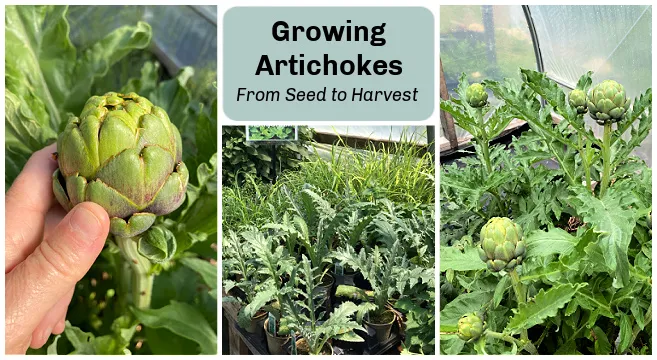
Growing Artichokes: A Comprehensive Guide to Cultivation, Care, and Harvesting
Introduction
Artichokes are a popular vegetable that is rich in nutrients and flavor. They have been grown for centuries in various parts of the world, including Italy, where they are considered a staple crop. In this article, we will explore the best practices for cultivating artichokes, from selecting the right variety to harvesting them at the peak of freshness.
Choosing the Right Variety
When it comes to growing artichokes, choosing the right variety is crucial. There are several factors to consider when making this decision, including climate, soil type, and desired harvest period. Some popular varieties of artichokes include:
- Catanese Artichokes: These artichokes are known for their early production and are often harvested from October to mid-spring.
- Sardinian Spiny Artichokes: These artichokes produce bracts that are green with purple tips and are ready for harvest around November.
- Romanesco Artichokes: These artichokes are known for their large, furry florets and are harvested in the spring.
Considering the Climate
Artichokes can be grown in various climates, but they thrive best in regions with mild winters and dry summers. In areas with cold winters, it may be necessary to use row covers or other protective measures to extend the growing season.
Soil Requirements
Artichokes require well-draining soil that is rich in organic matter. They also prefer a slightly acidic pH, ranging from 6.0 to 7.0. In regions with heavy clay soils, it may be beneficial to add compost or other amendments to improve drainage and fertility.
Planting Artichokes
When planting artichokes, it’s essential to choose a location that receives full sun (at least six hours of direct sunlight) and has good air circulation. Plant the artichoke crowns in well-draining soil, spaced about 18 inches apart, and water thoroughly.
Watering and Mulching
Artichokes require consistent moisture during their first year of growth. Water them deeply once or twice a week, depending on weather conditions. Mulch around the plants to retain moisture and suppress weeds.
Pruning Artichokes
To promote healthy growth and encourage new buds, prune your artichoke plants regularly. Remove any dead or damaged leaves and stems, and trim back the plant to maintain its shape.
Harvesting Artichokes
The timing of harvesting depends on the variety of artichoke being grown. Some popular varieties include:
- Catanese Artichokes: These are one of the earliest to produce flowers, typically from October to mid-spring.
- Sardinian Spiny Artichokes: Producing bracts that are green with purple tips, these are ready for harvest around November.
- Romanesco Artichokes: Known for their large, furry florets, these artichokes are harvested in the spring.
To determine when your artichoke is ready, gently pull on a leaf or peduncle. If it comes off easily, it’s time to harvest!
Artichoke Pests
Artichokes can be susceptible to various pests, including:
- Aphids: These tiny insects can infest the plant’s base and peduncles.
- Depressaria Capsuli: A lepidopteran pest that feeds on flower buds.
- Cassida Deflorata: A coleotrope insect that targets leaves.
To protect your artichokes from these pests, consider using natural deterrents or integrated pest management techniques. One effective option is a product like Solabiol Insetticida Success Bayer Natria Bio, which can be found on Amazon.
Common Artichoke Problems
Some common problems that may arise when growing artichokes include:
- Leaf curl: This is caused by aphids and other pests that feed on the plant’s leaves.
- Flower drop: This occurs when the flowers drop from the plant due to inadequate water or nutrient supply.
- Root rot: This can be caused by overwatering, which leads to root decay and reduced yields.
To prevent these problems, ensure your artichokes receive adequate sunlight, water, and nutrients. Regularly inspect your plants for signs of pests or disease, and take action promptly if you notice any issues.
Conclusion
Growing artichokes requires dedication and attention to detail. By following the guidelines outlined in this article, you’ll be well on your way to cultivating delicious, homegrown artichokes. Happy gardening!
Frequently Asked Questions (FAQs)
- Can I grow artichokes in a container?
- Yes, but ensure the pot has good drainage and adequate sunlight.
- How often should I water my artichoke plants?
- Regular watering is necessary during hot weather and periods of low rainfall.
- What are some natural pest control methods for artichokes?
- Consider using neem oil, soap solution, or other non-toxic deterrents to protect your plants from pests.
- Can I grow multiple varieties of artichokes on the same plant?
- No, each variety should have its own separate container to prevent cross-pollination and disease transmission.
- How long does it take for an artichoke plant to mature?
- The time it takes for an artichoke plant to produce flowers and buds can vary depending on factors like climate, soil quality, and plant variety.
- Can I eat the leaves of my artichoke plants before they produce flowers?
- Yes, but be aware that young leaves may not have developed their full flavor yet.
- How do I prune my artichoke plants to promote healthy growth?
- Remove any dead or damaged leaves and stems, and trim back the plant to maintain its shape and encourage new growth.
- Can I grow artichokes in indoor containers?
- Yes, but ensure the container has sufficient sunlight and temperature range (around 65-75°F) for optimal growth.
Growing artichokes can be a rewarding experience, especially when done correctly. By following these guidelines and adapting to your specific climate, you’ll be well on your way to cultivating delicious, homegrown artichokes. Happy gardening!


