
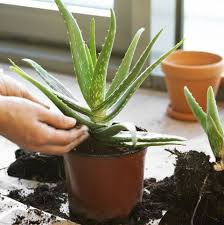
As we all know, the benefits of aloe vera gel and juice have been touted for centuries. Having a fresh supply of this incredible plant in your home is the perfect strategy to harness its full benefits. Growing aloe vera at home requires minimal care, and one of the best ways to do so is by using a cutting or a single leaf from an aloe plant.
In this article, we will delve into the process of growing aloe vera from scratch, exploring its numerous health benefits, and providing you with essential tips on how to care for your aloe plant. Whether you’re looking to reap the rewards of aloe vera’s healing properties or simply want to reduce inorganic pollutants in your home, this article is perfect for you.
Why Grow an Aloe Vera Plant at Home?
Growing an aloe vera plant at home can have numerous benefits. For one, it allows you to harness the plant’s medicinal properties directly from your own garden. The gel and juice of the aloe plant are rich in vitamins, minerals, and amino acids that can help alleviate various health issues. Here are some of the key benefits of growing an aloe vera plant at home:
- Natural remedy: Aloe vera has been used for centuries to treat skin conditions such as burns, wounds, and eczema.
- Digestive aid: The gel of the aloe plant can help soothe digestive issues, reduce inflammation, and promote healthy gut bacteria.
- Antimicrobial properties: Aloe vera contains compounds that have antibacterial, antiviral, and antifungal properties, making it an effective natural remedy for infections.
- Air purification: The aloe plant can absorb pollutants from the air, creating a healthier indoor environment.
Choosing the Right Aloe Vera Plant
There are over 500 species of aloe plants, but not all of them are suitable for indoor growth. Here are three popular varieties that are perfect for growing at home:
- Aloe Vera (Aloe barbadensis): This is the most common variety of aloe vera and is known for its succulent leaves.
- Aloe Arborescens: Also known as the “tree aloe,” this plant has a more robust growth habit and can reach up to 4 meters in height.
- Aloe Saponaria: This plant has thick, fleshy leaves with white spots and is ideal for indoor cultivation.
How to Grow an Aloe Vera Plant
Growing an aloe vera plant requires minimal care. Here’s a step-by-step guide on how to grow your very own:
- Choose a pot: Select a container that is at least 10 inches deep, as aloe plants can grow quite tall.
- Prepare the soil: Mix together soil, sand, and perlite in equal proportions to create a well-draining medium.
- Plant the cutting or leaf: Place the cutting or leaf in the pot, making sure not to bury it too deeply.
- Water sparingly: Water the plant only when the soil feels dry to the touch, as overwatering can lead to root rot.
- Provide sunlight: Place the plant in a bright location with indirect sunlight, avoiding direct exposure to heat.
- Fertilize occasionally: Feed your aloe plant with a balanced fertilizer during the growing season (spring and summer).
- Prune regularly: Remove any dead or damaged leaves to maintain the plant’s appearance and promote healthy growth.
How to Use Aloe Vera
Aloe vera can be consumed in various forms, including juice, gel, supplements, and extracts. Here are some ways to use aloe vera:
- Drink aloe vera juice: Mix 1/4 cup of aloe vera juice with water and drink it before meals to reap the digestive benefits.
- Apply aloe vera gel topically: Use aloe vera gel as a natural remedy for skin conditions, burns, and wounds.
- Take aloe vera supplements: Consult with your doctor about taking aloe vera supplements in capsule or tablet form.
Precautions and Side Effects
While aloe vera is generally considered safe, there are some precautions and potential side effects to be aware of:
- Allergic reactions: Some people may experience allergic reactions to aloe vera, such as skin irritation, itching, or hives.
- Interactions with medications: Aloe vera can interact with certain medications, such as blood thinners, diabetes medications, and immunosuppressants.
- Pregnancy and breastfeeding: There is limited research on the safety of aloe vera during pregnancy and breastfeeding. Consult with your healthcare provider before using aloe vera if you’re pregnant or breastfeeding.
Conclusion
Growing an aloe vera plant at home is a great way to harness its medicinal properties while reducing indoor pollutants. By following the tips outlined in this article, you can enjoy the numerous health benefits of aloe vera and create a healthier living environment for yourself and your loved ones.


