
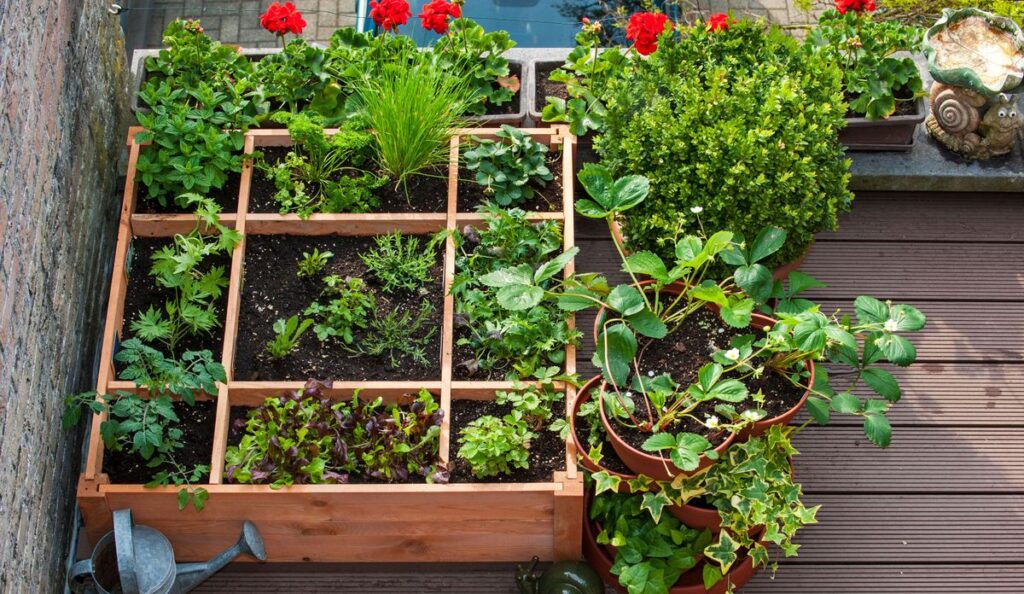
As the world becomes increasingly urbanized, many people are turning to balconies and rooftops as alternative spaces for growing their own food. Cultivating an orchard on a balcony is a relatively new practice that offers numerous benefits, including fresh produce and reduced carbon footprint. In this article, we’ll explore the different methods of growing an orchard in a balcony, from vertical cultivation to container gardening.
Introduction to Balcony Gardening
Balcony gardening has become increasingly popular due to its practicality and space-saving nature. Unlike traditional gardens that require large plots of land, balcony gardening allows individuals to grow their own food in small spaces. This method is perfect for those who want to enjoy fresh produce without the need for a backyard or garden.
The Benefits of Balcony Gardening
There are several benefits to growing an orchard on a balcony. Some of these include:
- Fresh, locally grown produce: By growing your own food on your balcony, you’ll have access to fresh, healthy ingredients right in your own home.
- Reduced carbon footprint: Growing your own food reduces the need for transportation and packaging, which can significantly reduce carbon emissions.
- Increased urban sustainability: Balcony gardening is a great way to contribute to urban sustainability efforts by providing a source of fresh produce while also beautifying and improving living spaces.
Vertical Gardening
One of the most effective methods of growing an orchard on a balcony is vertical gardening. This involves using pallets, bottles, and other materials to create a space-saving system that maximizes yields. Vertical gardens can be used in a variety of settings, from small balconies to large rooftops.
How to Create a Vertical Garden
Creating a vertical garden is easier than you might think. Here are some steps to follow:
- Choose the right materials: You’ll need some sort of material to create your vertical garden. This could be pallets, bottles, or even an old fence.
- Plan out your space: Before you start building, take some time to plan out how you want to use your space. Consider what plants you want to grow and where they will be located.
- Build your structure: Once you have a plan in place, it’s time to build your vertical garden. You can use materials like wood or PVC pipes to create the framework for your garden.
- Plant your crops: Finally, it’s time to add some plants to your vertical garden. Choose crops that are well-suited to growing vertically and make sure they have enough room to grow.
Container Gardening
Another popular method of growing an orchard on a balcony is container gardening. This involves using pots and containers filled with soil and plants to grow a variety of fruits and vegetables. Container gardening is ideal for balconies with limited space, as it allows individuals to choose the size and type of containers they need.
How to Create a Container Garden
Creating a container garden is easy and fun. Here are some steps to follow:
- Choose your containers: You’ll need pots or containers filled with soil to grow your plants. Consider using self-watering pots or containers with built-in water reservoirs to reduce watering frequency.
- Plan out your space: Before you start planting, take some time to plan out how you want to use your space. Consider what plants you want to grow and where they will be located.
- Plant your crops: Once you have a plan in place, it’s time to add some plants to your container garden. Choose crops that are well-suited to growing in containers and make sure they have enough room to grow.
Choosing the Right Plants
When it comes to choosing plants for your balcony orchard, there are many options available. Peppers, tomatoes, basil, lettuce, cucumbers, carrots, and radishes are all popular choices, as they are easy to grow and can thrive in small spaces. Other options include fruit trees, herbs, and leafy greens.
In-Season Planting
When it comes to planting on a balcony, timing is everything. In-season planting allows individuals to take advantage of the best weather conditions and ensures maximum yields. By planting in season, you’ll be able to enjoy fresh produce throughout the year.
Weight Capacity: A Crucial Consideration
Before starting any balcony gardening project, it’s essential to consider the weight capacity of your balcony or rooftop structure. Heavy pots and containers can put a strain on the structure, so it’s crucial to choose lightweight options that won’t compromise the integrity of your space.
Conclusion
Growing an orchard on a balcony is a fun and rewarding experience that offers numerous benefits, from fresh produce to reduced carbon footprint. By exploring different methods of vertical gardening and container gardening, you’ll be able to create a thriving oasis in even the smallest of spaces. With careful planning and attention to detail, you can enjoy the rewards of balcony gardening all year round.
Frequently Asked Questions
Q: What are some popular plants for balcony gardening?
A: Peppers, tomatoes, basil, lettuce, cucumbers, carrots, and radishes are all popular choices for balcony gardening.
Q: How do I choose the right containers for my balcony garden?
A: Choose lightweight containers that won’t compromise the integrity of your space. Consider using self-watering pots or containers with built-in water reservoirs to reduce watering frequency.
Q: What is the best way to maintain soil moisture in my balcony garden?
A: Regularly check soil moisture levels and adjust as needed. Use a moisture meter to ensure optimal hydration for your plants.
Q: Can I grow multiple layers of vegetables on my balcony?
A: Yes, you can use vertical gardening techniques to create multiple layers of vegetables, increasing yields and space efficiency.
Q: How do I prevent pests from damaging my balcony garden?
A: Regularly inspect your plants for signs of pest damage. Use organic pest control methods whenever possible, such as neem oil or diatomaceous earth.
Q: Can I grow fruit trees on a balcony?
A: While it’s possible to grow small fruit trees on a balcony, they require careful pruning and training to maintain size and shape. Consider using dwarf or compact varieties for optimal results.
Q: How do I protect my balcony garden from extreme weather conditions?
A: Use windbreaks or row covers to protect your plants from strong winds and frost damage. Bring potted plants under cover during heavy rainfall or intense sunlight.
Q: Can I grow herbs on a balcony?
A: Yes, many herbs can thrive in containers on a balcony, including basil, rosemary, thyme, and oregano. Choose compact varieties for optimal growth.
By following these practical tips and exploring different methods of growing an orchard on a balcony, you’ll be able to create a thriving oasis in even the smallest of spaces.


