
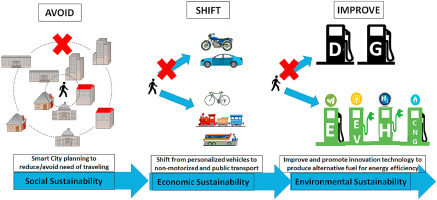
The Politecnico di Milano, a university in Milan, Italy, has set an example for sustainable transportation by introducing innovative initiatives that promote environmentally friendly modes of transport. From reducing carbon emissions to improving air quality, the university’s efforts have made a positive impact on its community.
Why Universities Should Focus on Sustainable Transportation
Universities move a large number of people every day, with around 240,000 individuals commuting to and from campus daily. The Politecnico di Milano alone has over 40,000 students and staff members who use the university’s facilities regularly. With so many people involved, it’s essential for universities to prioritize sustainable transportation options.
One of the main reasons universities should focus on sustainable transportation is that they have a significant impact on reducing carbon emissions and improving air quality. According to the United States Environmental Protection Agency (EPA), the transportation sector accounts for approximately 27% of greenhouse gas emissions in the country, making it one of the largest contributors to climate change.
Universities also have a unique opportunity to promote sustainable transportation among their students and staff. By providing resources and support for environmentally friendly modes of transport, universities can encourage individuals to make more sustainable choices.
The University’s Journey Towards Sustainable Transportation
The Politecnico di Milano has been working on sustainable transportation since 1998, when the Mobility Manager concept was introduced. The university has since expanded its efforts, with a new project called “Campus Sostenibile” launched in recent years. This initiative aims to create a sustainable and livable community for students and staff alike.
The Campus Sostenibile project is focused on promoting sustainable transportation options among students and staff. The university offers discounts on public transport, promotes car-sharing and carpooling, and implements traffic management measures to minimize congestion and reduce air pollution.
Promoting Sustainable Transportation Among Students
To promote sustainable transportation among students, the Politecnico di Milano has implemented several initiatives:
- Reducing carbon emissions: By encouraging students to use public transport, carpool, or bike to campus.
- Improving air quality: By promoting clean modes of transport and reducing traffic congestion.
- Enhancing student experience: By providing resources and support for sustainable transportation.
Some concrete actions taken by the Politecnico di Milano include:
• Offering discounts on public transport: To encourage students to use public transport instead of driving or taking taxis.
• Promoting car-sharing and carpooling: To reduce the number of cars on campus.
• Implementing traffic management measures: To minimize congestion and reduce air pollution.
• Creating cycling infrastructure: Such as bike lanes, parking facilities, and showers.
Extending Sustainable Transportation to University Staff
The Politecnico di Milano has also implemented initiatives to promote sustainable transportation among university staff:
- Reducing carbon emissions: By encouraging staff to use public transport, carpool, or bike to campus.
- Improving air quality: By promoting clean modes of transport and reducing traffic congestion.
- Enhancing employee experience: By providing resources and support for sustainable transportation.
Best Practices in Sustainable Transportation
The Politecnico di Milano’s initiatives have been recognized as best practices in sustainable transportation. The university’s commitment to sustainability has set an example for other institutions to follow.
Some of the key best practices that universities can adopt include:
- Conducting regular assessments: To identify areas where improvements can be made and track progress over time.
- Encouraging car-sharing and carpooling: To reduce the number of cars on campus and promote more sustainable modes of transport.
- Implementing traffic management measures: To minimize congestion and reduce air pollution.
- Providing resources and support: For students and staff to make more sustainable choices.
Collaboration between Institutions
The success of the Politecnico di Milano’s initiatives depends on collaboration with local and national authorities. By working together, universities can create a more sustainable and livable community.
Some ways that institutions can collaborate include:
- Sharing best practices: To learn from each other and identify areas where improvements can be made.
- Providing mutual support: For initiatives that promote sustainable transportation.
- Developing joint policies: To create a more cohesive and effective approach to sustainability.
Conclusion
The Politecnico di Milano’s commitment to sustainable transportation is a shining example for other institutions to follow. By prioritizing environmentally friendly modes of transport, universities can reduce carbon emissions, improve air quality, and enhance the overall experience of students and staff alike.
Universities have a unique opportunity to promote sustainable transportation among their students and staff. By providing resources and support for environmentally friendly modes of transport, universities can encourage individuals to make more sustainable choices.
In conclusion, the Politecnico di Milano’s initiatives are an inspiration to other institutions seeking to improve their sustainability. By adopting best practices in sustainable transportation and collaborating with local and national authorities, universities can create a more sustainable and livable community.
Frequently Asked Questions (FAQs)
- What inspired the Politecnico di Milano to focus on sustainable transportation?
- The university recognized the importance of reducing carbon emissions and improving air quality for its community.
- How has the Politecnico di Milano implemented sustainable transportation initiatives?
- The university has introduced various initiatives, including public transport discounts, car-sharing, and traffic management measures.
- What role do universities play in promoting sustainable transportation?
- Universities have a significant impact on reducing carbon emissions and improving air quality through their commuting patterns.
- Can other institutions adopt the Politecnico di Milano’s sustainable transportation model?
- Yes, by prioritizing environmentally friendly modes of transport, universities can create a more sustainable community.
Additional Resources
- Mobility Manager: A concept that encourages companies to manage employee travel sustainably
- Campus Sostenibile: An initiative launched by the Politecnico di Milano to promote sustainability on campus


