
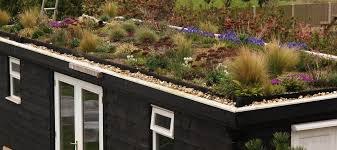
Can a vegetative layer be grown on a rooftop, creating a true garden? Yes, thanks to green roof technology. A “green roof” is literally a “roof covered with vegetation.” It’s a cover of soil that creates a growing medium for various types of cultivation, allowing everything you sow to grow due to the underlying terriccio (soil) which must be isolated using suitable methods.
Green roofs are one of the key themes in modern architecture and have gained significant backing from urban areas plagued by pollution. With their ability to provide insulation, reduce energy consumption, and improve air quality, it’s no wonder why green roofs are becoming increasingly popular among architects, builders, and residents alike.
The Benefits of Green Roofs
Urban centers benefit from green roofs both aesthetically and functionally. They increase the amount of green space, producing oxygen as a result. Beyond their visual appeal, green roofs can help resolve various issues in urban systems.
Some of the key benefits of green roofs include:
- Thermal insulation: Green roofs cool down in summer and insulate heat in winter, reducing energy consumption. This is particularly beneficial for buildings located in hot climates where air conditioning costs can be extremely high.
- Air quality improvement: Green roofs capture CO2 and other pollutants, naturally mitigating air pollution. By absorbing these harmful emissions, green roofs help to improve the overall air quality of urban areas.
- Noise reduction: The substrate absorbs low-frequency sound waves, while vegetation absorbs high-frequency sound waves. This can lead to a quieter living environment for residents and can even help reduce noise pollution in urban areas.
- Rainwater management: Green roofs can slow down and reduce rainwater runoff in urban areas. This helps to prevent flooding and reduces the amount of stormwater that enters local waterways, reducing the risk of erosion and other environmental problems.
- Electromagnetic radiation absorption: Green roofs absorb up to 94% of electromagnetic emissions from mobile phones and base stations. This can help reduce exposure to harmful radiation and improve overall health and well-being.
Green roofs also have additional benefits, including:
- Pollen collection: Plants absorb pollutants through photosynthesis, reducing airborne particles.
- Reduced particulate matter: Green roofs can decrease the amount of fine particles in the air.
- Increased biodiversity: Green roofs provide a habitat for local wildlife and can support a wide range of plant and animal species.
Increased Property Value
Buildings with green roofs are more likely to achieve LEED certification. Moreover, investors can expect a 15% increase in property value due to their presence. This is because green roofs not only improve the aesthetic appeal of buildings but also provide numerous functional benefits that can enhance the overall quality of life for residents and visitors.
Conclusion
Green roofs offer numerous benefits for urban areas, from improving aesthetics and reducing pollution to increasing property values. By incorporating vegetation into building design, we can create healthier, more sustainable environments for both humans and the planet.
Frequently Asked Questions (FAQs)
Q: What are green roofs?
A: Green roofs are layers of vegetation grown on top of buildings, creating a self-sustaining ecosystem.
Q: How do green roofs benefit air quality?
A: Green roofs absorb CO2 and other pollutants through natural processes like photosynthesis. This helps to reduce the amount of harmful emissions in the air and improve overall air quality.
Q: Can green roofs reduce noise pollution?
A: Yes, the substrate and vegetation on green roofs can help absorb and reduce sound waves. This can lead to a quieter living environment for residents and can even help reduce noise pollution in urban areas.
Q: Do green roofs affect rainwater management?
A: Yes, they can slow down and reduce rainwater runoff in urban areas. This helps to prevent flooding and reduces the amount of stormwater that enters local waterways, reducing the risk of erosion and other environmental problems.
Q: How do green roofs impact property values?
A: Buildings with green roofs are more likely to achieve LEED certification and experience increased property value due to their unique features. Additionally, investors can expect a 15% increase in property value due to their presence.
Q: Are green roofs expensive to maintain?
A: While initial installation costs may be higher, the long-term benefits of green roofs, including reduced energy consumption and improved air quality, can lead to significant cost savings. In fact, studies have shown that green roofs can pay for themselves over time through reduced energy costs and increased property values.
Design Considerations
When designing a green roof, there are several factors to consider to ensure its success:
- Roof type: The type of roof you’re working with will play a significant role in determining the best design approach. For example, flat roofs may require additional structural support, while sloping roofs can be designed to allow for better drainage.
- Plant selection: Choosing the right plants for your green roof is crucial. Consider factors like climate, soil type, and sunlight exposure when selecting plant species.
- Soil quality: The quality of the soil used on a green roof will have a significant impact on its performance. Look for soils that are specifically designed for green roofs and can support a wide range of plant species.
Maintenance Strategies
While green roofs require some maintenance, there are several strategies you can use to minimize upkeep:
- Regular inspections: Regularly inspecting your green roof will help identify any potential issues before they become major problems.
- Water management systems: Installing water management systems like rain gardens or bioswales can help reduce stormwater runoff and prevent erosion.
- Irrigation systems: Implementing irrigation systems that use drought-tolerant plants and efficient watering methods can help minimize water usage.
Conclusion
In conclusion, green roofs offer numerous benefits for urban areas, from improving aesthetics and reducing pollution to increasing property values. By incorporating vegetation into building design, we can create healthier, more sustainable environments for both humans and the planet. Whether you’re an architect, builder, or homeowner, consider adding a green roof to your project to reap the rewards of this innovative technology.


