
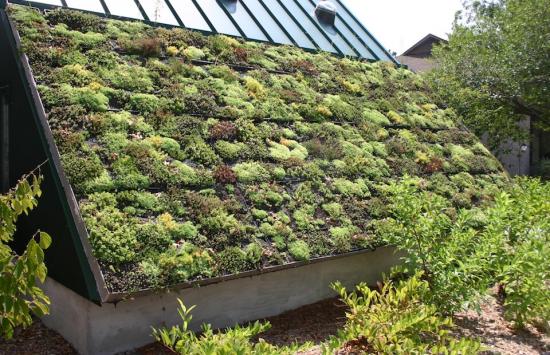
What is a Green Roof?
A green roof, also known as a living roof or rooftop garden, is a type of roofing system that incorporates plants and vegetation into the design. It’s a simple yet effective way to reduce urban heat island effects, improve air quality, and create a more sustainable urban environment.
Benefits of Green Roofs
But what makes green roofs so special? Let’s break it down:
- Water Absorption: Green roofs absorb rainwater, reducing stormwater runoff and alleviating pressure on urban drainage systems.
- Carbon Sequestration: By incorporating plants into the roofing system, green roofs help to absorb carbon dioxide from the atmosphere, contributing to a reduction in greenhouse gas emissions.
- Aesthetic Appeal: Green roofs can significantly enhance the visual appeal of buildings, creating a unique and desirable feature for urban landscapes.
- Energy Efficiency: Properly designed and maintained green roofs can act as insulators, reducing energy consumption and lowering cooling costs during hot summer months.
Types of Green Roofs
There are two primary types of green roofs: intensive and extensive. Understanding the differences between these two types is crucial for determining which type is best suited for a specific project:
- Intensive Green Roof: This type of roof features multiple layers, including soil, vegetation, and an irrigation system. It’s ideal for smaller spaces with limited sunlight.
- Extensive Green Roof: As its name suggests, this type of roof features a single layer of vegetation and is designed to thrive in low-maintenance conditions. It’s perfect for larger areas with ample sunlight.
Design Considerations
When designing a green roof, several factors must be taken into account:
- Soil Depth: The depth of the soil layer will depend on the type of plants being used and the intended use of the space.
- Drainage: A proper drainage system is crucial to prevent waterlogged conditions and ensure plant health.
- Maintenance: Regular maintenance is necessary to keep the roof healthy and thriving.
The Science Behind Green Roofs
But how do green roofs actually work? Let’s take a closer look:
- Thermal Insulation: The vegetation on a green roof acts as a thermal insulator, reducing heat gain in the summer and heat loss in the winter.
- Microclimate Creation: By incorporating plants into the roofing system, green roofs can create a microclimate that reduces urban heat island effects and improves air quality.
Real-World Examples
Green roofs are being used in cities around the world to address environmental challenges. Here are a few real-world examples:
- Chicago’s Green Roofs: The city of Chicago has installed over 500 green roofs, covering more than 20 million square feet of space.
- New York City’s Rooftop Gardens: The High Line, a popular rooftop garden in New York City, features over 1.5 acres of lush vegetation.
Sustainability and Green Roofs
Green roofs offer numerous sustainability benefits, including:
- Reduced Urban Heat Island Effects: By reducing the amount of heat absorbed by buildings, green roofs can help mitigate urban heat island effects.
- Improved Air Quality: Green roofs can absorb pollutants from the air, improving local air quality and contributing to a healthier environment.
- Increased Energy Efficiency: Properly designed and maintained green roofs can act as insulators, reducing energy consumption and lowering greenhouse gas emissions.
Green Roofs in Urban Planning
Urban planners are increasingly incorporating green roofs into their designs. Here’s why:
- Enhanced Aesthetic Appeal: Green roofs can significantly enhance the visual appeal of buildings, creating a unique and desirable feature for urban landscapes.
- Increased Property Values: Green roofs have been shown to increase property values by up to 20%.
- Improved Urban Air Quality: By reducing the amount of pollutants in the air, green roofs can contribute to improved urban air quality.
Innovative Applications of Green Roofs
Green roofs are not just limited to traditional residential and commercial buildings. Here are a few innovative applications:
- Public Spaces: Green roofs can be used to create public spaces, such as parks and plazas.
- Schools and Universities: Green roofs can provide educational opportunities for students, teaching them about sustainability and environmental science.
- Hospitals and Healthcare Facilities: Green roofs have been shown to improve patient outcomes and reduce stress levels.
Challenges and Limitations
While green roofs offer numerous benefits, there are also challenges and limitations to consider:
- High Upfront Costs: Installing a green roof can be expensive, making it difficult for some buildings to adopt.
- Maintenance Requirements: Green roofs require regular maintenance to ensure plant health and prevent water damage.
- Zoning Regulations: Zoning regulations may restrict the use of green roofs in certain areas.
Conclusion
Green roofs are an innovative solution for reducing urban environmental impacts. By incorporating plants into the design, they can absorb rainwater, reduce carbon emissions, and create a more sustainable urban environment. Whether you’re an urban planner or simply looking to improve your home’s energy efficiency, green roofs are definitely worth considering.
Frequently Asked Questions
Q: How much do green roofs cost?
A: The cost of green roofs can vary widely depending on the type and size of the project.
Q: What plants are suitable for green roofs?
A: A variety of plant species can be used on green roofs, including sedums, succulents, and grasses.
Q: How often should I maintain my green roof?
A: Regular maintenance is necessary to keep your green roof healthy and thriving. This may include watering, pruning, and monitoring for pests.
Q: Can green roofs be used in cold climates?
A: Yes, green roofs can be used in cold climates, but they require additional insulation and design considerations to ensure success.
Q: Are green roofs suitable for high-traffic areas?
A: While green roofs can provide some benefits for high-traffic areas, they may not be the best option due to increased maintenance needs.
Q: Can I use my own plants on a green roof?
A: It’s generally recommended to use plants specifically designed for green roofs, as they have been bred to thrive in these conditions.


