
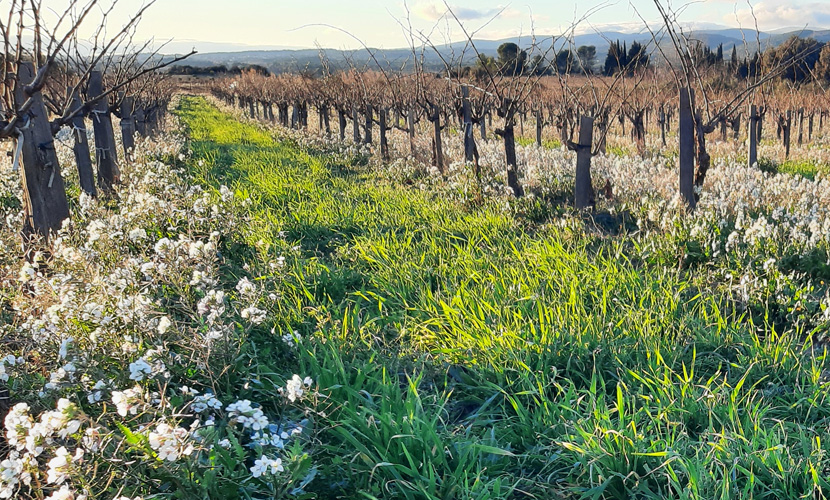
Soil covering, also known as cover cropping, is a vital practice in viticulture that provides numerous benefits for the health and productivity of vineyards. In this article, we will delve into the world of soil covering, exploring its purpose, advantages, and best practices for implementing it in your vineyard.
When to Plant Soil Covering
The ideal time to plant soil covering depends on the region and climate. Generally, autumn is the best season to sow cover crops, as they can be incorporated into the soil before the next growing season. In regions with mild winters, spring planting can also be effective. However, it’s essential to ensure that the cover crop is sown in a manner that allows for proper establishment and germination.
What is Soil Covering Used For?
Soil covering serves several purposes in viticulture:
- Soil Health: Cover crops contribute to maintaining an optimal balance of soil nutrients, organic matter, and structure.
- Weed Suppression: By planting cover crops, you can reduce the need for herbicides and other weed control methods.
- Erosion Control: Cover crops help stabilize the soil, preventing erosion and runoff.
Choosing the Right Cover Crop
Selecting a suitable cover crop is crucial for its success. You can choose from three main categories:
- Legumes (e.g., clover, alfalfa): These plants fix nitrogen in the soil, making it available to your vineyard.
- Grasses (e.g., winter rye, oats): These crops provide a dense canopy that shades the soil, suppressing weeds and reducing evaporation.
- Brassicas (e.g., radish, turnip): These plants have a fast growth rate, allowing them to quickly outcompete weeds.
Practicing Soil Covering in Your Vineyard
To implement soil covering effectively:
- Prepare the Soil: Before sowing cover crops, ensure that your soil is well-prepared by removing weeds, aerating it, and adding organic matter.
- Sow Seeds at the Right Time: Plant cover seeds according to the specific growing conditions for each crop.
- Maintain Crop Health: Regularly monitor your cover crops’ growth, ensuring they receive adequate water, nutrients, and sunlight.
Tips for Successful Soil Covering
- Interplant with Vineyard Crops: Combine cover crops with vineyard plants to create a diverse and resilient ecosystem.
- Rotate Cover Crops: Change the type of cover crop you plant each season to maintain soil health and reduce pests and diseases.
- Use Companion Planting: Pair different cover crops with vines to enhance their growth, control weeds, or attract beneficial insects.
Benefits of Soil Covering
Soil covering offers numerous benefits for vineyards, including:
- Increased Crop Yields: By improving soil health and reducing erosion, soil covering can lead to increased crop yields.
- Reduced Weed Pressure: Planting cover crops can suppress weeds, reducing the need for herbicides and other weed control methods.
- Improved Soil Structure: Regular cover cropping can improve soil structure, allowing for better water infiltration and aeration.
Challenges of Soil Covering
While soil covering offers numerous benefits, there are also some challenges to consider:
- Higher Initial Costs: Planting cover crops may require additional investment in seeds, fertilizers, and equipment.
- Time Commitment: Regularly monitoring and maintaining cover crops can be time-consuming.
- Potential for Weeds: If not properly managed, cover crops can compete with vines for water and nutrients.
Best Practices for Soil Covering
To maximize the benefits of soil covering while minimizing challenges:
- Start Small: Begin by planting a small area of cover crop to test its effectiveness and ease of management.
- Choose Durable Crops: Select cover crops that are resistant to pests, diseases, and environmental stressors.
- Monitor Soil Health: Regularly monitor soil health, adjusting cover crop selection and management as needed.
By understanding the benefits and implementing soil covering practices in your vineyard, you can create a thriving ecosystem that promotes healthy vines, reduces weed pressure, and increases overall productivity.
Frequently Asked Questions
- What is the best time to plant cover crops?
- Autumn is generally considered the ideal season for planting cover crops.
- How do I choose the right cover crop for my vineyard?
- Select a cover crop that matches your region’s climate and soil type, as well as the specific needs of your vines.
- Can I use chemical herbicides with cover crops?
- No, it’s recommended to avoid using chemical herbicides when planting cover crops, as they can harm beneficial insects and microorganisms.
- How often should I harvest my cover crops?
- Harvest cover crops at the right time for maximum yield and to prevent weeds from competing with your vines.
- Will soil covering reduce soil erosion?
- Yes, regular cover cropping can help stabilize the soil, reducing erosion and runoff.
Conclusion
Soil covering is a vital practice in viticulture that offers numerous benefits for the health and productivity of vineyards. By understanding the purpose, advantages, and best practices of soil covering, you can create a thriving ecosystem that promotes healthy vines, reduces weed pressure, and increases overall productivity.


