
Introduction
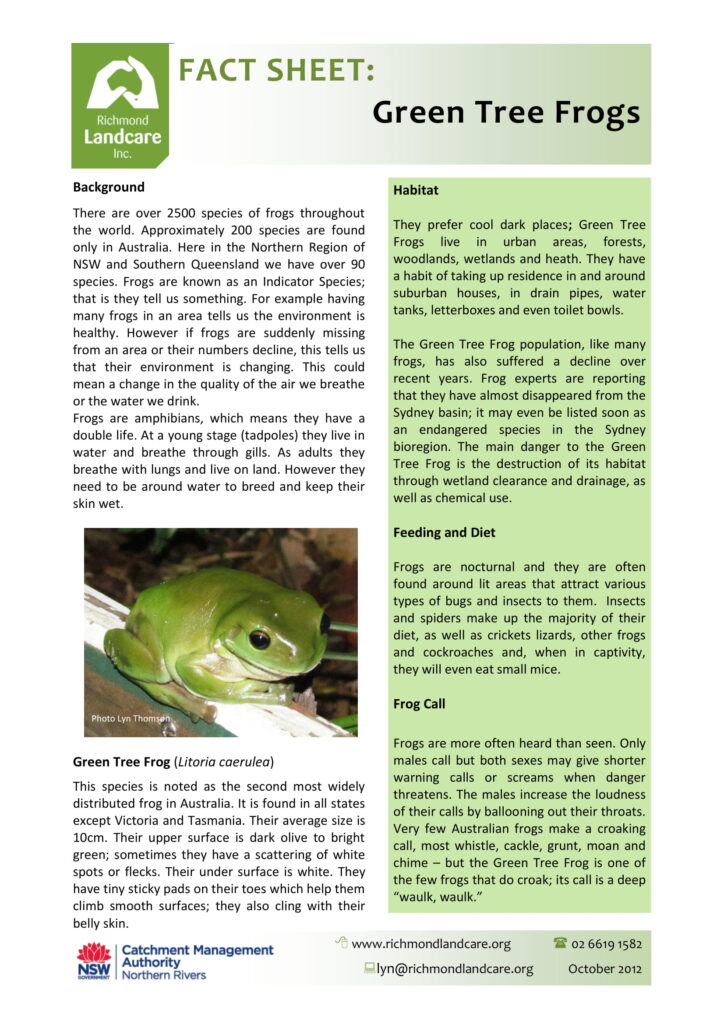
The green frog, also known as the “green Italian frog,” was once abundant in our countryside. However, due to habitat destruction, these frogs are now harder to find. As excellent environmental indicators, their presence is a sign of good environmental health. The green frog’s decline has sparked concerns among conservationists and scientists alike, highlighting the need for effective measures to protect this species.
Why Are Frogs Disappearing?
Frogs have been declining due to droughts, decreased wetland areas, and the excessive use of herbicides. In recent times, an “alien” animal, the Louisiana red swamp crayfish, has caused the decline of the green frog population. This crayfish has been introduced accidentally into our territory and has thrived by destroying fish and amphibian eggs.
The introduction of non-native species is a significant threat to native ecosystems, as it can lead to competition for resources and habitat destruction. The Louisiana red swamp crayfish is particularly problematic, as it has adapted quickly to its new environment and has no natural predators in our region. Efforts are being made to control the spread of this invasive species, but it remains a pressing concern.
Conservation Efforts
Environmental conservation is crucial in protecting the green frog, the common toad, and the golden toad. These efforts involve habitat restoration, reduction of pollution, and education about the importance of preserving biodiversity.
One of the most effective ways to support conservation efforts is by supporting local organizations that work on environmental protection initiatives. By donating or volunteering your time, you can contribute to the preservation of natural habitats and the protection of endangered species like the green frog.
Frogs vs. Snakes: A Tale of Two Species
The green frog and the red snake (commonly known as the “green” snake) are two species that share similar habitats. If you’re lucky enough to have a green frog in your garden or some toads, be happy for this! Frogs play many useful roles, such as eating harmful insects, maintaining serenity, and controlling zanzara populations.
Frogs also serve as an important food source for various predators, including birds, snakes, and other animals. The removal of frogs from the ecosystem can have unintended consequences, leading to imbalances in the natural food chain.
Green vs. Red Frogs
In Italy, there are several species of frogs, which we can refer to as “green” and “red.” The green frog lives in wetland areas and is humid, while the red frog moves into water only during reproduction. The red frog belongs to the genus Rana, whereas the green frog belongs to the genus Pelophylax.
Understanding the differences between these species is essential for effective conservation efforts. By recognizing the unique characteristics of each species, we can develop targeted strategies to protect them from extinction.
The Common Frog: A Representative Species
Among the many species of green frogs, there’s one that stands out – the common green frog. This is the most representative species and serves as a model for understanding the biology and ecology of green frogs.
Green Frogs: What Do They Eat? Where Do They Live? Habitat Natural Environment Reproduction and Song
Frogs have skin without scales, allowing them to breathe easily through their skin. The color of the green frog varies in shades and tones, often appearing as a mixture of green, black, yellow, or brown. The dorsal side is usually covered with spots or stripes, while the throat and belly are lighter. The legs of frogs display distinctive colors, patterns, and mottling.
What’s Their Size?
The female frog reaches up to 12 cm in length, whereas the male is smaller, rarely exceeding 7 cm. This size difference highlights the importance of recognizing the unique characteristics of each species, as it can inform conservation efforts.
Misconception: “Italian Green Frog”
Although many continue to call it “green Italian frog,” green frogs are found throughout Europe, excluding only the Iberian Peninsula. This misconception highlights the need for accurate information and a nuanced understanding of the biology and ecology of these species.
What Do Frogs Eat?
Frogs are excellent hunters, with their big eyes scanning water and hiding in wet areas. What do they eat? Worms, mollusks, insects, and even small invertebrates. Some adult frogs also engage in cannibalism; an adult frog can consume smaller members of its own species.
This feeding behavior is a critical aspect of frog ecology, as it highlights the importance of recognizing their role within their ecosystems. By understanding how frogs interact with their environment, we can develop effective conservation strategies to protect these species.
Do Frogs Go into Hibernation?
Yes, frogs go into hibernation! They are listed among animals that undergo dormancy. During winter, frogs hide in ditches, mud, or sheltered areas, conserving energy. As spring arrives, they wake up and start hunting again.
This adaptation is crucial for the survival of these species, as it allows them to conserve energy during periods of scarcity. By understanding how frogs hibernate, we can develop targeted conservation strategies to protect these species from extinction.
Frog Reproduction: The Call of the Song
Frogs reproduce between April and May. Males produce large vocal sacs that emit a distinctive song to attract females. During mating, males lift their heads out of the water and sing their unique songs to entice females.
This complex courtship behavior highlights the importance of recognizing the unique characteristics of each species, as it can inform conservation efforts. By understanding how frogs reproduce, we can develop targeted strategies to protect these species from extinction.
The Final Answer: Protecting Our Frog Friends
La rana verde si nutre di grossi insetti, come le libellule.
La rana verde si nutre di grossi insetti, come le libellule.
Le rane verdi si nutrono anche di grossi insetti come le libellule: con movimenti rapidi le catturano mentre sorvolano l’acqua.
Frequently Asked Questions (FAQs)
Q: Why are green frogs disappearing?
A: Green frogs are declining due to droughts, decreased wetland areas, and excessive herbicide use.
Q: What causes the decline of green frog populations?
A: The introduction of non-native species, such as the Louisiana red swamp crayfish, has contributed to their decline.
Q: How can I protect my green frogs?
A: You can help by reducing your environmental impact and supporting conservation efforts.
Q: Can I have a green frog as a pet?
A: It’s best not to keep green frogs in captivity, as they require specific habitat conditions and may be stressed by handling.
Q: What do green frogs eat?
A: Green frogs feed on insects, worms, mollusks, and small invertebrates, including algae and organic matter.
Q: Do green frogs hibernate?
A: Yes, green frogs go into dormancy during winter to conserve energy.
Q: When is frog breeding season?
A: Frog breeding typically occurs between April and May.
Q: How can I support green frog conservation efforts?
A: You can contribute by reducing your environmental impact, supporting local conservation initiatives, and spreading awareness about the importance of protecting these incredible creatures.


