
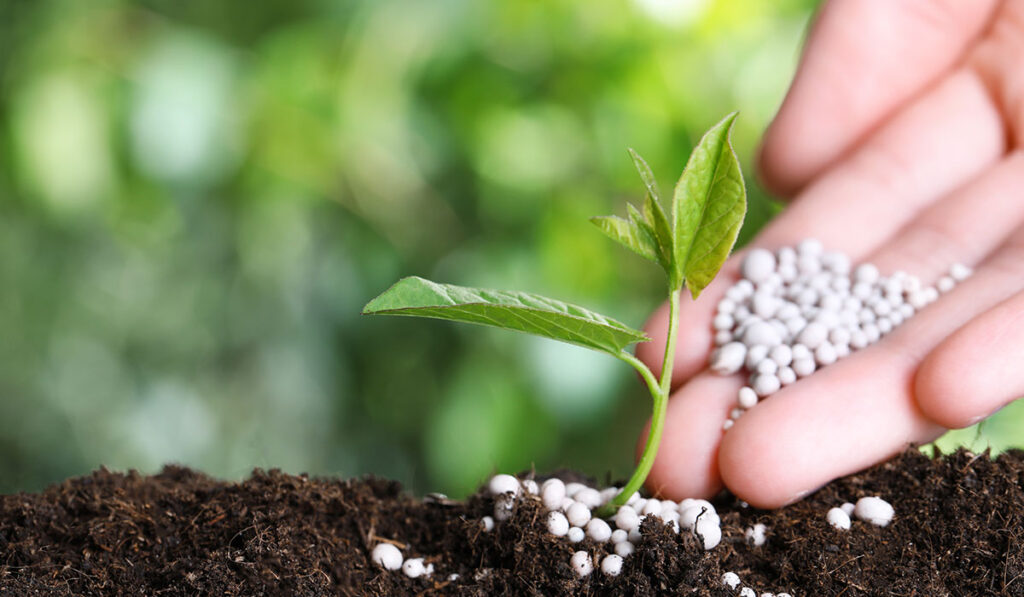
In an era where sustainability and environmental awareness are at the forefront, it’s refreshing to revisit an ancient practice that has been around for centuries – green composting, also known as “sovescio.” This technique involves planting certain crops in the ground, allowing them to mature, and then burying them to create a natural fertilizer. But what exactly is green composting, and how can you benefit from it?
What is Green Composting?
Green composting is an eco-friendly method of enriching your soil with nutrient-rich organic matter. It involves planting certain crops in the ground, allowing them to mature, and then burying them to create a natural fertilizer. This technique has been used for centuries, and its benefits are numerous.
Benefits of Green Composting
So, what are the advantages of using green composting? Here are just a few:
- Protects water sources: By reducing the amount of nutrients in runoff, green composting helps prevent pollution of nearby water sources.
- Prevents erosion: The added organic matter helps to stabilize the soil, preventing erosion and landslides.
- Maintains soil structure: Green composting improves the overall health and fertility of your soil, promoting healthy plant growth.
- Conserves nutrients: By burying the crops in the ground, you can prevent the loss of essential nutrients through leaching or runoff.
- Eliminates weeds: The buried crops will outcompete any existing weeds, reducing their spread and preventing regrowth.
Choosing the Right Plants
When it comes to green composting, not all plants are created equal. Here are some options that can benefit your soil:
Legumes
Legumes are an excellent choice for green composting due to their high nitrogen content. Some popular options include:
- Piselli (peas)
- Veccia (clover)
- Lupino (lupin)
Crucifers
Crucifers, such as broccoli and cauliflower, are also great choices for green composting.
Grasses
Grasses, like oats and wheat, can be used to add bulk and improve soil structure.
Comfrey
Comfrey is another excellent option for green composting. It’s a perennial herb that’s high in nutrients and will help enrich your soil over time.
Getting Started with Green Composting
So, how do you get started with green composting? Here’s a step-by-step guide:
- Select your crops: Choose plants that are suitable for green composting based on the season.
- Sow your seeds: Plant the seeds at a depth of about 1-2 inches deeper than usual, as this will help them mature more slowly.
- Wait for maturity: Allow the crops to mature completely before burying them in the ground.
- Bury and harvest: Bury the mature plants in the ground, leaving only enough above-ground biomass to allow for growth of new shoots.
- Compost: Let the buried biomass decompose naturally, adding nutrients back into your soil.
Tips and Tricks
Here are some additional tips and tricks to keep in mind:
- Timing is everything: Green composting works best when done during the cooler months, as this allows for optimal decomposition.
- Mix it up: Varying the types of crops used can help maintain soil health and prevent pests from becoming too accustomed to a single crop.
- Keep it moist: Adequate moisture levels will ensure that the composting process happens efficiently.
Common Mistakes to Avoid
Here are some common mistakes to avoid when it comes to green composting:
- Over-burying: Be careful not to bury crops too deeply, as this can lead to inadequate decomposition and reduced nutrient availability.
- Under-maturation: Allow the crops to mature enough before burying them in the ground. This will ensure that they have the necessary nutrients for optimal decomposition.
- Inadequate composting: Make sure to let the buried biomass decompose naturally, as this is an essential step in creating a nutrient-rich fertilizer.
Conclusion
Green composting is an ancient practice that’s gaining popularity for its numerous benefits. By choosing the right crops, following these simple steps, and utilizing a few helpful tips, you can create a natural fertilizer that enriches your soil without harming the environment.
Frequently Asked Questions (FAQs)
Here are some answers to common questions about green composting:
-
Q: What types of plants should I use for green composting?
A: Legumes, crucifers, grasses, and other nutrient-rich crops make excellent choices.
* Q: How long does it take for the buried biomass to decompose?A: Decomposition can take anywhere from a few weeks to several months, depending on factors like temperature and moisture levels.
* Q: Can I use green composting in small gardens or urban areas?A: Yes! Green composting is an excellent option for compact spaces because it helps maintain soil health without taking up too much space.
Case Studies
Here are some case studies that demonstrate the effectiveness of green composting:
- Example 1: A local farmer used green composting to improve soil fertility in his small garden. By burying crops like peas and clover, he was able to maintain healthy plant growth and reduce pests.
- Example 2: A group of urban gardeners in a large city implemented green composting as part of their community gardening project. The results showed significant improvements in soil health and reduced erosion.
Conclusion
Green composting is an ancient practice that’s gaining popularity for its numerous benefits. By choosing the right crops, following these simple steps, and utilizing a few helpful tips, you can create a natural fertilizer that enriches your soil without harming the environment.


