
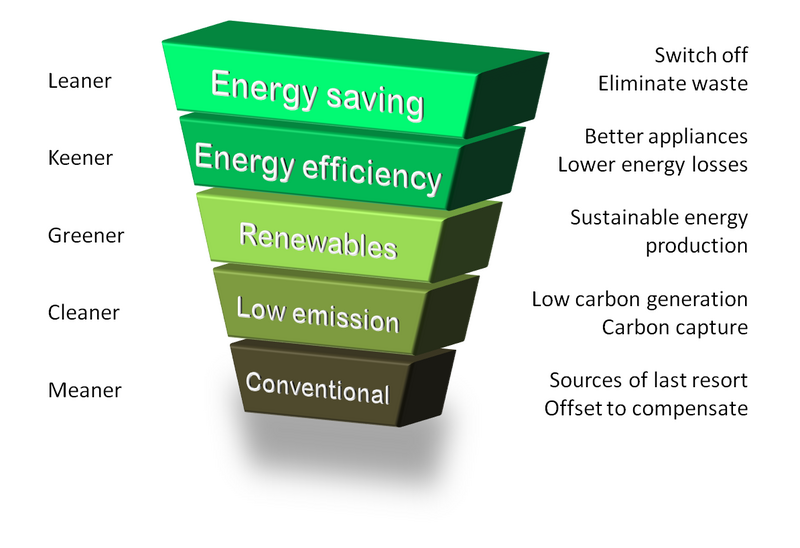
The Italian Government’s certification of buildings is crucial for achieving efficiency and energy savings. The Assemblea programmatica on Efficiency and Energy Savings discussed the 10 key points for a virtuous roadmap towards saving and efficiency at the recent meeting in Milan. The Assembly, held on July 12, was the second preparatory event for the upcoming Green Economy States General, scheduled for November 7-8 in Rimini as part of Ecomondo. The States General are organized by the Ministry of Environment and the Organizing Committee comprising 30 green business associations.
“Italy’s energy intensity is relatively low, but this advantage has seen few improvements over the past two decades, whereas most European countries have made significant reductions,” said Gianni Silvestrini, Director of the Kyoto Club and coordinator of the group on efficiency and savings. “In Italy, despite several Energy Efficiency Plans that were not overly ambitious, there has been a lack of comprehensive strategy on this front. The government’s incentives policies have yielded interesting results in some cases but lack coordination, certainty, and long-term horizon.”
The importance of building certifications cannot be overstated. In Italy, buildings account for approximately 80% of the country’s energy consumption, making it essential to implement efficient practices throughout the construction industry. By implementing measures such as insulation, double-glazed windows, and solar panels, Italian businesses can reduce their energy expenditure while promoting environmental sustainability.
The roadmap outlined by the Assemblea programmatica on Efficiency and Energy Savings emphasizes the need for increased investment in efficiency and renewable energy sources. By investing in these areas, Italy can not only achieve significant savings but also contribute to a more environmentally friendly future.
1. Increasing and Rationalizing Investments and Incentives
Investing in efficiency involves dozens of national businesses, resulting in a cumulative benefit of 50-500% more than the costs borne by the State (in Germany, the ratio has been estimated at 1:5 between incentives and revenues). To achieve this level of investment, it is crucial to rationalize incentives and ensure that they are targeted towards areas with the greatest potential for energy savings.
Incentivizing businesses to adopt efficient practices can be achieved through a variety of means, including tax deductions, grants, and subsidies. The Italian government has implemented several initiatives aimed at promoting energy efficiency, such as the “Green Building” program, which provides incentives for building owners to invest in energy-efficient upgrades.
2. Establishing Strong Organizational Coordination among Renewable Energy Associations and Efficiency Organizations
Strengthening organizational coordination among renewable energy associations and efficiency organizations is essential for ensuring that the government’s initiatives are effective. By fostering greater collaboration between these groups, Italy can tap into a wealth of knowledge and expertise, enabling policymakers to make more informed decisions.
To achieve this level of coordination, it is crucial to establish clear communication channels and facilitate dialogue between stakeholders. This can be achieved through regular meetings, workshops, and other forms of engagement that allow representatives from different organizations to share their experiences and insights.
3. Accounting for Synergies between Renewable Energies and Efficiency Energetics
Considering synergies between renewable energies and efficiency energetics is essential for achieving a more sustainable energy future. By integrating these two areas of focus, Italy can create more efficient energy systems that are better suited to the country’s needs.
One example of synergy in action is the use of solar panels on building roofs. Not only do solar panels provide a clean source of renewable energy, but they also help to reduce energy consumption by providing shade and reducing heating demands during the summer months.
4. Applying the New Energy Efficiency Directive
The new directive on energy efficiency requires Italy to establish a roadmap towards achieving significant reductions in energy consumption over the next decade. By applying this directive and working towards a more sustainable future, Italy can not only reduce its energy expenditure but also contribute to a global effort to combat climate change.
One of the key provisions of the directive is the obligation for public buildings to be renovated at a rate of 3% per annum. This target is ambitious, but it provides a clear framework for policymakers and businesses to work towards a more sustainable future.
5. Defining New Energy Consumption Thresholds for Buildings
Defining new energy consumption thresholds for buildings is essential for preparing the building industry for the 2021 deadline when all new constructions must be nearly zero-energy-ready. By setting these targets, Italy can create a level playing field that encourages businesses to adopt more efficient practices.
To achieve this goal, the Italian government has established several initiatives aimed at promoting energy-efficient construction practices. These include the “Energy Efficiency Label” program, which provides a rating system for new buildings based on their energy consumption levels.
6. Ensuring Certainty in Incentives and Guarantees
Ensuring certainty in incentives and guarantees is crucial for businesses looking to invest in efficiency measures. By providing clear guidelines and support structures, the government can create an environment that encourages investment in renewable energy sources and sustainable practices.
One example of a successful incentive program is the “Green Investment Fund,” which provides financing for businesses looking to invest in green technologies. The fund offers grants, loans, and guarantees to help businesses cover the costs associated with implementing efficiency measures.
7. Strengthening Building Energy Certificates
Strengthening building energy certificates is essential for promoting a culture of energy efficiency among building owners. By providing clear guidelines and support structures, the government can create an environment that encourages investment in efficiency measures.
One example of a successful building energy certificate program is the “Energy Performance Certificate” (EPC) scheme, which provides a rating system for buildings based on their energy consumption levels. The EPC scheme has been implemented in several European countries and has helped to promote energy-efficient practices among building owners.
8. Supporting Small Industrial Businesses Not Covered by the Emission Trading Directive
Supporting small industrial businesses not covered by the emission trading directive is essential for promoting a culture of sustainability among these enterprises. By providing clear guidelines and support structures, the government can create an environment that encourages investment in renewable energy sources and sustainable practices.
One example of a successful initiative aimed at supporting small industrial businesses is the “Green Industrial Fund,” which provides financing and support to companies looking to invest in green technologies. The fund offers grants, loans, and guarantees to help businesses cover the costs associated with implementing efficiency measures.
9. Improving Energy Efficiency in Double-Utility Equipment
Improving energy efficiency in double-utility equipment is essential for reducing energy consumption among industrial businesses. By providing clear guidelines and support structures, the government can create an environment that encourages investment in efficient practices.
One example of a successful initiative aimed at improving energy efficiency in double-utility equipment is the “Energy Efficiency Incentive Program,” which provides financing and support to companies looking to invest in energy-efficient technologies. The program offers grants, loans, and guarantees to help businesses cover the costs associated with implementing efficiency measures.
10. Encouraging Innovative Financing Solutions for Building Efficiency Interventions
Encouraging innovative financing solutions for building efficiency interventions is essential for promoting a culture of sustainability among building owners. By providing clear guidelines and support structures, the government can create an environment that encourages investment in renewable energy sources and sustainable practices.
One example of a successful initiative aimed at encouraging innovative financing solutions is the “Energy Performance Contract” (EPC) program, which allows building owners to finance efficiency measures through a third-party source. The EPC program has been implemented in several European countries and has helped to promote energy-efficient practices among building owners.
By working on these 10 key points, Italy can move towards a more efficient and sustainable energy future. By investing in renewable energy sources, promoting energy-efficient practices, and encouraging innovation in the field of building efficiency interventions, Italy can reduce its reliance on fossil fuels and contribute to a global effort to combat climate change.


