
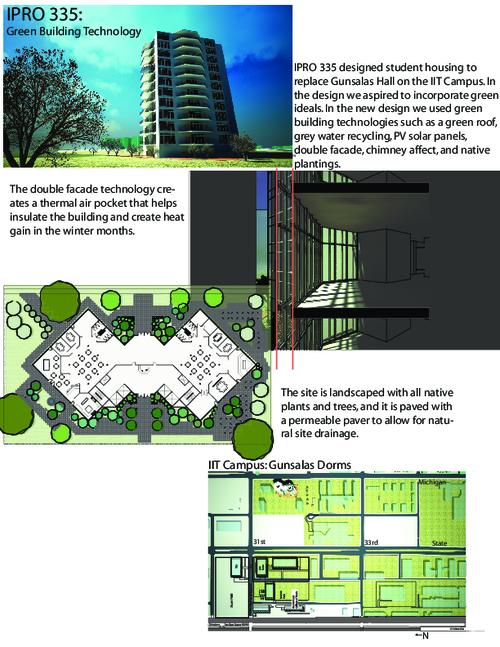
As we strive to create a more environmentally friendly world, the concept of sustainable building has become increasingly popular. However, when it comes to Italy, there are still few examples of bio-edilizia in practice. In this article, we’ll delve into the world of sustainable building, exploring its key characteristics and innovative techniques that make buildings not only eco-friendly but also exceptional.
What is Bio-Edilizia?
Bio-edilizia refers to an architectural approach that respects the environment and adheres to principles of sustainability. It’s a holistic design that considers not only the physical structure but also the impact on the surrounding ecosystem. To create a truly bio-edilizio building, several key characteristics must be incorporated.
Characteristics of Bio-Edilizia Buildings
Let’s explore some of the essential features of bio-edilizio buildings:
- Materials: Choosing materials with low environmental impact is crucial. Examples include biomattone, traditional materials like stone, gypsum, lime, and wood.
- Illumination: Harnessing natural light reduces the need for artificial lighting, while incorporating lucernari, large windows, and energy-efficient lighting systems can further minimize energy consumption.
- Renewables: Incorporating solar panels, wind turbines, and other renewable energy sources can significantly reduce energy costs and greenhouse gas emissions.
- Insulation: Using environmentally friendly insulation materials or designing buildings with principles similar to those of greenhouses can help regulate internal temperatures while minimizing heat loss.
- Efficiency: Implementing efficient systems for heating, cooling, ventilation, and lighting can lead to reduced energy consumption and lower environmental impact.
Real-World Examples
Let’s take a look at some real-world examples of bio-edilizio buildings:
- School L’Acquerello, Parma: This school features argilla espansa (expanded clay) and other innovative strategies that reduce energy consumption.
- Biomass Energy: Biomass energy can be generated from organic waste, such as wood chips or agricultural waste.
Conclusion
Bio-edilizia is an emerging field in Italy’s construction industry, with many potential benefits for the environment and human well-being. By incorporating these sustainable features, we can create buildings that not only minimize their ecological footprint but also provide a healthy and comfortable living space for generations to come.
Frequently Asked Questions
Q: What are some of the key materials used in bio-edilizio buildings?
A: Biomattone, stone, gypsum, lime, wood, and other eco-friendly materials are commonly used in bio-edilizio construction.
Q: How can natural light be harnessed to reduce energy consumption?
A: Incorporating lucernari, large windows, and energy-efficient lighting systems can minimize artificial lighting needs.
Q: What role do renewable energy sources play in sustainable building?
A: Solar panels, wind turbines, and other renewable energy sources can significantly reduce energy costs and greenhouse gas emissions.
Q: Can bio-edilizio buildings be designed to minimize heat loss and retain natural temperature fluctuations?
A: Yes, using environmentally friendly insulation materials or designing buildings with principles similar to those of greenhouses can help regulate internal temperatures while minimizing heat loss.
Q: What are some strategies for achieving efficiency in sustainable building?
A: Implementing efficient systems for heating, cooling, ventilation, and lighting can lead to reduced energy consumption and lower environmental impact.
Q: Can bio-edilizio buildings be designed to incorporate waste-to-energy systems or biomass energy generation?
A: Yes, using organic waste as a source of energy can significantly reduce reliance on fossil fuels and minimize waste disposal issues.
The Benefits of Bio-Edilizia
Bio-edilizia offers numerous benefits for the environment, human health, and the economy. Some of these benefits include:
- Reduced Greenhouse Gas Emissions: By using renewable energy sources and minimizing energy consumption, bio-edilizio buildings can significantly reduce greenhouse gas emissions.
- Improved Air Quality: Bio-edilizio buildings can improve air quality by reducing pollution from fossil fuels and incorporating natural ventilation systems.
- Enhanced Public Health: By providing a healthy indoor environment, bio-edilizio buildings can improve public health and well-being.
- Economic Benefits: Bio-edilizia can also provide economic benefits through reduced energy costs, increased property values, and job creation in the sustainable building sector.
Challenges and Limitations
While bio-edilizia offers numerous benefits, there are still several challenges and limitations that need to be addressed. Some of these challenges include:
- Higher Upfront Costs: Bio-edilizio buildings can be more expensive to construct than traditional buildings, due to the use of specialized materials and technologies.
- Limited Availability of Materials: The availability of eco-friendly building materials can be limited in certain regions, making it difficult for builders to incorporate bio-edilizio features into their designs.
- Regulatory Frameworks: In some cases, regulatory frameworks may not support or encourage sustainable building practices, which can create barriers to adoption.
Conclusion
Bio-edilizia is a rapidly emerging field that holds great promise for creating more environmentally friendly and healthy buildings. While there are still several challenges and limitations to address, the benefits of bio-edilizia make it an increasingly attractive option for builders and architects looking to incorporate sustainable building practices into their designs. As technology continues to evolve and regulatory frameworks become more supportive, we can expect to see a significant increase in the adoption of bio-edilizio buildings across Italy.
Additional Resources
- Bio-Edilizia Italia: A comprehensive resource for learning about bio-edilizia in Italy.
- Italian Ministry of Environment and Energy: The official website of the Italian Ministry of Environment and Energy, providing information on sustainable building practices and policies.
- UNESCO World Heritage Centre: A UNESCO World Heritage Centre page dedicated to bio-edilizio buildings in Italy.
Conclusion
In conclusion, bio-edilizia is a rapidly emerging field that holds great promise for creating more environmentally friendly and healthy buildings. While there are still several challenges and limitations to address, the benefits of bio-edilizio make it an increasingly attractive option for builders and architects looking to incorporate sustainable building practices into their designs. As technology continues to evolve and regulatory frameworks become more supportive, we can expect to see a significant increase in the adoption of bio-edilizio buildings across Italy.
Additional Resources
- Bio-Edilizia Italia: A comprehensive resource for learning about bio-edilizia in Italy.
- Italian Ministry of Environment and Energy: The official website of the Italian Ministry of Environment and Energy, providing information on sustainable building practices and policies.
- UNESCO World Heritage Centre: A UNESCO World Heritage Centre page dedicated to bio-edilizio buildings in Italy.


