
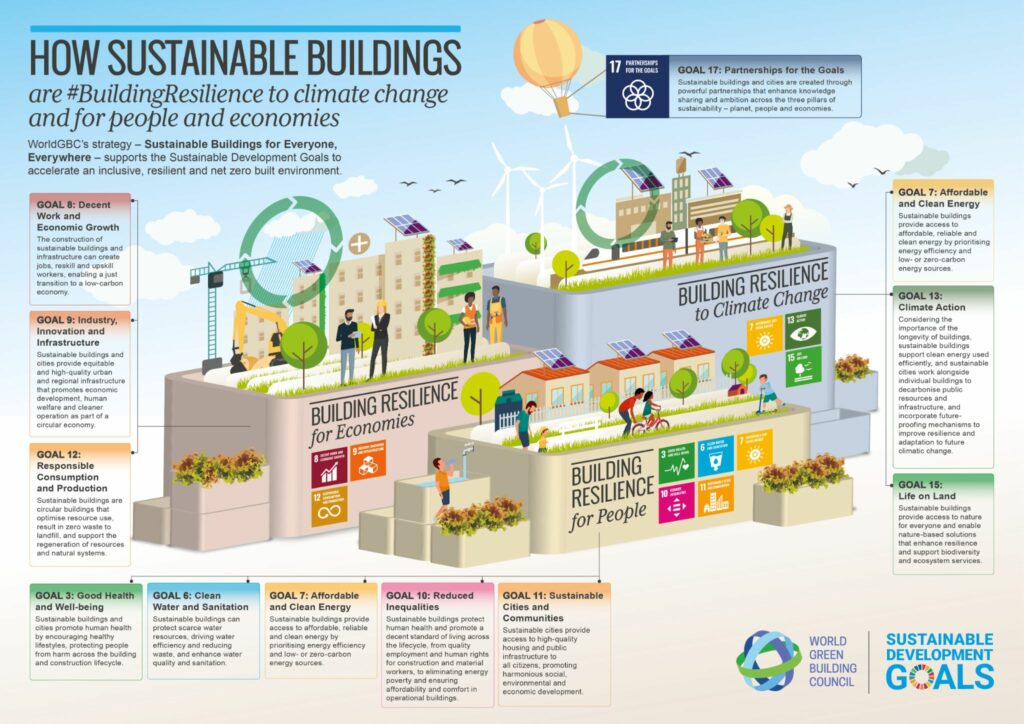
As we navigate the challenges of climate change, energy conservation, and resource management, it has become increasingly important to adopt sustainable practices in our built environment. Green building, a term that refers to the design, construction, and operation of buildings that minimize their impact on the environment, is becoming an essential aspect of modern architecture.
The Rise of Sustainable Architecture
The concept of green building has been gaining momentum over the past few decades, with architects, engineers, and builders recognizing the need to reduce the environmental footprint of our built structures. The growth of this movement can be attributed to the increasing awareness of the importance of sustainable practices in construction, as well as the adoption of new technologies and materials that support environmentally friendly building methods.
The Key Principles of Green Building
So, what are the key principles of green building? At its core, it is about designing and constructing buildings that minimize their impact on the environment. This can be achieved through various means, including:
- Energy efficiency: designing buildings that use minimal energy, such as by incorporating natural light and ventilation systems.
- Resource conservation: reducing waste and conserving resources, such as water and materials.
- Indoor air quality: creating healthy indoor environments by using non-toxic materials and minimizing pollution.
The Benefits of Green Building
So, why is green building so important? The benefits are numerous:
- Cost savings: green buildings can reduce energy costs and improve their overall efficiency, leading to significant cost savings for building owners.
- Improved health: green buildings can provide better indoor air quality and a healthier living environment for occupants.
- Increased property value: green buildings can increase in value over time due to their unique features and eco-friendly design.
The ARSPAT’s Commitment to Sustainable Architecture
The ARSPAT, an association dedicated to the restoration of the landscape, atmosphere, and territory, has been at the forefront of promoting sustainable architecture. Their upcoming event, “Green Building in Residential Construction,” aims to inform attendees about the potentialities and applications of sustainable building practices.
The Event: A Comprehensive Overview
The event will cover various aspects of green building, including:
- Sustainable materials: exploring alternative materials that can be used in construction.
- Energy efficiency: discussing strategies for reducing energy consumption in buildings.
- Environmental certifications: examining the benefits and challenges of obtaining environmental certifications, such as LEED and GBC Italia.
The Future of Sustainable Architecture
As we look to the future, it is clear that sustainable architecture will play an increasingly important role in shaping our built environment. By embracing green building practices, we can create healthier, more environmentally friendly spaces that benefit both occupants and the planet.
Sustainable Materials: A Key Component of Green Building
Sustainable materials are a crucial aspect of green building. These materials are designed to minimize their impact on the environment while also providing long-lasting benefits for buildings. Some examples of sustainable materials include:
- Reclaimed wood: using reclaimed wood in construction can reduce waste and conserve natural resources.
- Low-VOC paints: choosing low-VOC paints can improve indoor air quality and reduce pollution.
- Recycled insulation: using recycled insulation can reduce waste and conserve energy.
Energy Efficiency: Strategies for Reducing Energy Consumption
Energy efficiency is a critical aspect of green building. By reducing energy consumption, we can minimize our impact on the environment while also saving money on energy costs. Some strategies for achieving energy efficiency include:
- Natural light: incorporating natural light into buildings can reduce the need for artificial lighting.
- Ventilation systems: designing ventilation systems that use natural airflow can improve indoor air quality and reduce energy consumption.
- Energy-efficient appliances: choosing energy-efficient appliances can reduce energy consumption and save money on energy costs.
Environmental Certifications: The Benefits and Challenges
Environmental certifications, such as LEED and GBC Italia, are designed to promote sustainable building practices. These certifications recognize buildings that meet certain standards of sustainability, including energy efficiency, indoor air quality, and resource conservation. While environmental certifications can provide numerous benefits, they also come with challenges, including increased upfront costs and a lengthy certification process.
Case Studies: Successful Green Buildings
Several green buildings have achieved significant success in promoting sustainable practices. These case studies can provide valuable insights into the potentialities and applications of green building:
- The Amazon Spheres: this office building in Seattle uses over 40,000 plants to improve indoor air quality and reduce pollution.
- The Bullitt Center: this office building in Seattle is designed to be the first living building in the world, achieving net-positive energy efficiency and reducing waste by 90%.
- The VanDusen Botanical Garden Visitor Centre: this botanical garden visitor centre in Vancouver uses sustainable materials and design principles to minimize its environmental impact.
Conclusion
Green building is an essential aspect of modern architecture. By embracing green building practices, we can create healthier, more environmentally friendly spaces that benefit both occupants and the planet. The ARSPAT’s upcoming event, “Green Building in Residential Construction,” aims to inform attendees about the potentialities and applications of sustainable building practices.
Frequently Asked Questions (FAQs)
Q: What is green building?
A: Green building refers to the design, construction, and operation of buildings that minimize their impact on the environment.
Q: Why is green building important?
A: Green building is essential for reducing energy consumption, conserving resources, and promoting sustainable practices in construction.
Q: What are some benefits of green building?
A: The benefits of green building include cost savings, improved health, and increased property value.
Q: What is the ARSPAT’s role in promoting sustainable architecture?
A: The ARSPAT has been actively promoting sustainable architecture through their events and educational programs.
Q: How can I get involved in sustainable architecture?
A: You can start by learning more about green building practices, attending workshops or conferences, and exploring alternative materials and technologies.


