
What does “green” and “sustainable” mean in the chemical industry?
The term “green chemistry” refers to biorefineries and bioindustries that will play an increasingly important role alongside sustainable chemistry (i.e., processes that use resources more efficiently, are more selective, and produce fewer solvents and less CO2 and waste). The giants of the chemical industry – Novamont, Eni Versalis, Mossi&Ghisolfi, BASF Federchimica, Henkel, and many others – are grappling with the challenge of making their production process greener and more sustainable because this is where the future lies.
The Future of a Greener Chemical Industry
In 2050, there will be approximately 50 billion people on Earth, and if all can live comfortably within the limits of available resources, it will only be possible because we have overcome our dependence on fossil fuels, reduced harmful emissions associated with its use, and decreased non-recyclable waste production. Without renewable energy and a green and sustainable chemistry, there is no future. That’s why bioplastics, eco-friendly detergents that activate at low temperatures, personal care products made from renewable materials, and substances that are immediately biodegradable are on the rise. Furthermore, companies are making commitments to reduce energy consumption, water consumption, and waste generation in production facilities.
A Green Future is Within Reach
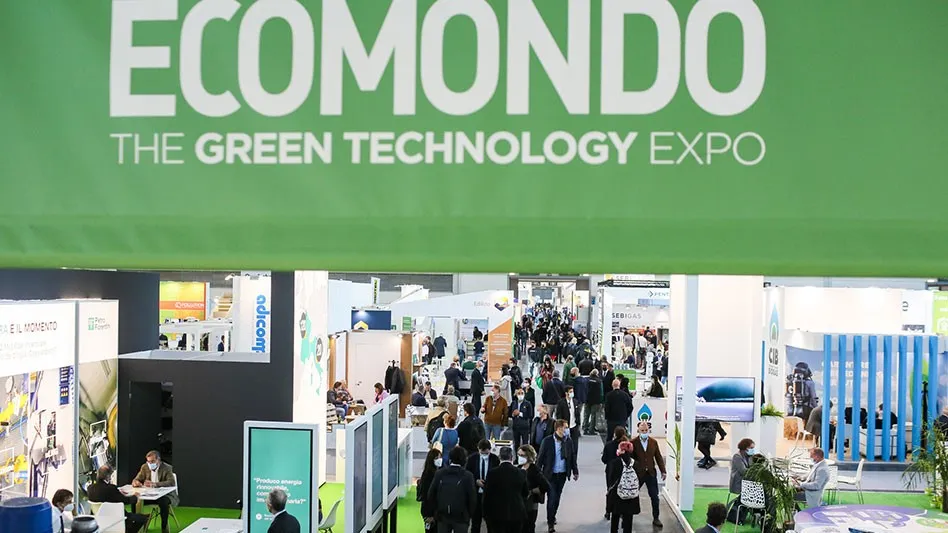
The re-emergence of natural and eco-friendly products across all sectors – cleaning products, personal care, clothing, and construction materials – marks a significant step towards achieving this vision. This is why Ecomondo 2013, the international fair for sustainable development and green economy in Rimini from November 6th to 8th, will feature the chemical industry with prominence, with an entire morning of conferences focusing on innovation and sustainability within the sector.
The State of National Bioraffineries
At Ecomondo 2013, there will be an opportunity for companies to make informed decisions about their growth strategy given advancements made in biorefineries. This includes sites that are undergoing industrial reversion facilitated by the presence of the National Technological Cluster on Green Chemistry at Ecomondo. The Italian case of bioeconomy is set to be presented at this event, which has been the subject of a book from Kyoto Club (Bioplastics: A Case Study of Bioeconomy in Italy) and a conference held at the European Parliament on March 6th in collaboration with the Italian Ministry of Environment.
The Importance of Collaboration
ECOMONDO 2013 will also serve as an international platform for exploring the bio-based industry, where an Italian bioeconomy case study will be presented. The book “Bioplastics: A Case Study of Bioeconomy in Italy in the light of Horizon 2020” and a conference held at the European Parliament on March 6th are examples of this collaboration.
Sustainability is a Shared Goal
The industry’s shift towards sustainability is not just about producing greener products; it’s also about creating a more sustainable future for generations to come. At Ecomondo 2013, we will see how companies can collaborate with each other and with governments to achieve this goal.
Green Chemistry: A New Paradigm in the Chemical Industry
The chemical industry has traditionally been associated with environmental degradation, from pollution and resource depletion to climate change. However, in recent years, there has been a growing recognition of the need for a more sustainable approach to production. Green chemistry offers a new paradigm for the industry, one that prioritizes the use of renewable resources, minimization of waste, and the adoption of cleaner technologies.
The Role of Biorefineries in Sustainable Development
Biorefineries are playing an increasingly important role in the transition towards a more sustainable future. These facilities convert biomass into bio-based chemicals and fuels, offering a promising alternative to fossil fuels. By using renewable resources such as waste biomass, biorefineries can help reduce greenhouse gas emissions and dependence on non-renewable energy sources.
Challenges and Opportunities
While there are many challenges associated with the transition to a more sustainable chemical industry, there are also numerous opportunities for innovation and growth. Companies that adopt green practices and invest in cleaner technologies can gain a competitive advantage in the market while contributing to a more sustainable future.
Conclusion
As the world hurtles towards a population of 50 billion by 2050, sustainability has become an indispensable part of our economic system. This is where green chemistry comes in – a movement that seeks to reduce waste, lower emissions, and increase efficiency in all sectors, including industry.
The following are some frequently asked questions about this subject:
- What does “green” and “sustainable” mean in the chemical industry?
Green chemistry refers to biorefineries and bioindustries that will play an increasingly important role alongside sustainable chemistry (i.e., processes that use resources more efficiently, are more selective, and produce fewer solvents and less CO2 and waste).
- What is the goal of making production process greener?
The goal of making production greener is to reduce waste, lower emissions, and increase efficiency in all sectors.
- Why is it important to make the chemical industry more sustainable?
Making the chemical industry more sustainable is crucial for our economic system’s future because of its massive impact on the environment.
- What are some examples of green products that will be presented at Ecomondo 2013?
Bioplastics, eco-friendly detergents that activate at low temperatures, personal care products made from renewable materials, and substances that are immediately biodegradable are just a few examples.
- How can companies collaborate to achieve sustainability goals?
Companies can collaborate with each other and governments to achieve sustainability goals by adopting green practices and reducing waste.
- What is the significance of Ecomondo 2013 as an international platform for exploring the bio-based industry?
Ecomondo 2013 serves as a significant platform for companies to make informed decisions about their growth strategy given advancements made in biorefineries, including sites that are undergoing industrial reversion.
- What is the book “Bioplastics: A Case Study of Bioeconomy in Italy” and its connection to Horizon 2020?
The book explores the Italian case of bioeconomy and its relevance in the context of Horizon 2020, a European Union research program.
- How can biorefineries contribute to sustainable development?
Biorefineries can help reduce greenhouse gas emissions and dependence on non-renewable energy sources by converting biomass into bio-based chemicals and fuels.
- What are some challenges associated with the transition to a more sustainable chemical industry?
Challenges include high upfront costs, limited infrastructure, and lack of public awareness about green chemistry.
- How can companies overcome these challenges and achieve sustainability goals?
Companies can overcomes these challenges by investing in cleaner technologies, adopting green practices, and collaborating with governments and other stakeholders to create a more sustainable future.


