
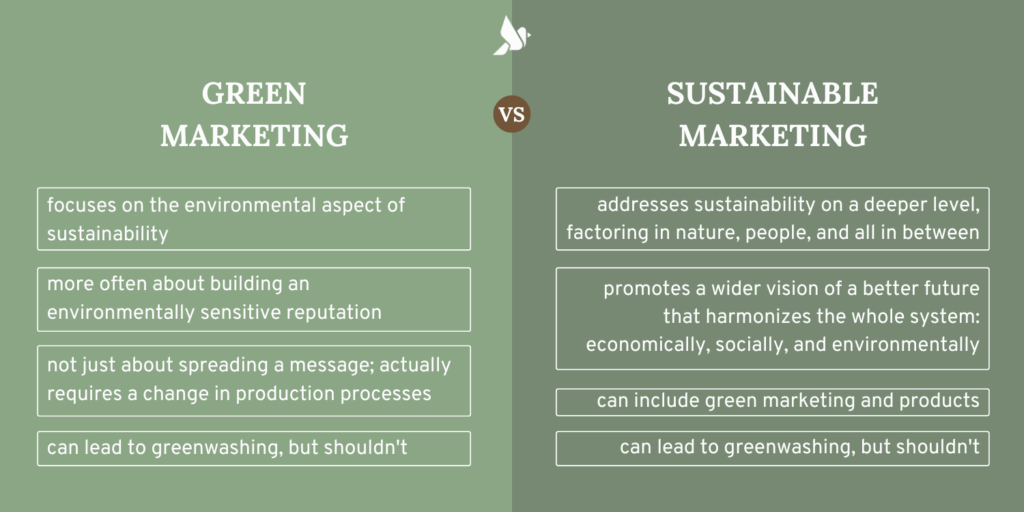
The Green Advertising Dilemma: Separating Fact from Fiction
As the world becomes increasingly aware of the importance of sustainability and environmental protection, companies are under pressure to demonstrate their commitment to eco-friendliness. However, with great power comes great responsibility, and some companies have resorted to “greenwashing” – a practice that raises more questions than answers.
Green Advertising: A Powerful Tool for Sustainability
In theory, green advertising can be a powerful tool for driving positive change by highlighting the benefits of sustainable choices and encouraging consumers to make informed decisions. Green advertising has become increasingly popular in recent years as companies seek to appeal to environmentally conscious consumers and establish their brand values.
The Problem with Greenwashing
However, when companies make exaggerated or unsubstantiated claims about their environmental credentials, it can lead to a phenomenon known as greenwashing. This practice raises several concerns, including:
- Misleading consumers into believing that a product is more sustainable than it actually is
- Creating unrealistic expectations and setting the bar too high for sustainability efforts
- Undermining trust in companies that genuinely prioritize environmental responsibility
The Importance of Transparency
Transparency is essential in green advertising to ensure that consumers have access to accurate information about a company’s environmental impact. Without transparency, consumers may feel misled or deceived, leading to decreased brand loyalty and reputation damage.
Green Advertising Regulations: A Step in the Right Direction
In response to growing concerns about greenwashing, several governments have introduced regulations to promote transparency and accuracy in environmental claims. For example:
- In Italy, the government has introduced a new article 12 of the Code of Self-Regulatory Advertising that emphasizes the importance of accuracy and transparency in environmental claims.
- The European Union’s Ecodesign Directive aims to promote sustainable product design by setting minimum energy efficiency standards for products.
Key Principles of Green Advertising
To ensure that green advertising is effective and trustworthy, several key principles must be followed:
- Accuracy: Claims should be based on scientific evidence and data.
- Clarity: Communication should clearly specify which aspect of the product or service is being targeted.
- Credibility: Companies should demonstrate a genuine commitment to sustainability and environmental responsibility.
Benefits of Green Advertising
Green advertising can have several benefits for companies, including:
- Building trust with customers
- Establishing a positive brand reputation
- Driving innovation in sustainability efforts
Conclusion
In conclusion, the debate between green advertising and greenwashing highlights the importance of transparency and accuracy in environmental marketing claims. By following the principles outlined in article 12 and prioritizing authenticity over exaggeration, businesses can ensure that their green advertising efforts are genuine, trustworthy, and effective in driving positive change.
Frequently Asked Questions
- What is greenwashing?
Greenwashing refers to the practice of making exaggerated or unsubstantiated claims about a product’s environmental credentials. - Why is transparency important in green advertising?
Transparency is crucial for maintaining public trust and avoiding deception or manipulation. - How can I ensure that my green advertising efforts are credible?
Follow the principles outlined in article 12, including basing claims on scientific evidence and being clear about which aspect of the product or service is being targeted. - What are the benefits of green advertising for businesses?
Green advertising can help build trust with customers, establish a positive reputation, and drive innovation in sustainability efforts. -
How can I prevent greenwashing in my industry?
Encourage transparency and accuracy in environmental marketing claims, and support organizations that promote sustainable practices. -
What is the role of article 12 in preventing greenwashing?
Article 12 provides a framework for ensuring that environmental claims are accurate, verifiable, and credible. - How can I measure the effectiveness of my green advertising efforts?
Track key performance indicators such as customer engagement, brand reputation, and sales growth to evaluate the impact of your sustainability initiatives. -
What is the future of green advertising in Italy?
As consumers become increasingly environmentally conscious, companies that prioritize transparency and authenticity will be better positioned to succeed in the market. -
How can I get involved in promoting sustainable practices?
Support organizations that promote eco-friendly behaviors, participate in advocacy campaigns, and consider making lifestyle changes that reduce your environmental footprint. -
What are some common mistakes that businesses make when it comes to green advertising?
Some companies may use vague or generic language, fail to provide clear evidence of their sustainability claims, or prioritize marketing over actual change. -
How can I ensure that my company’s values align with its messaging?
Develop a comprehensive corporate social responsibility strategy that incorporates environmental sustainability, social justice, and economic viability. -
What are some best practices for measuring the impact of green advertising efforts?
Use a range of metrics, including customer engagement, brand reputation, sales growth, and carbon footprint reductions, to evaluate the effectiveness of your sustainability initiatives. -
How can I foster a culture of sustainability within my organization?
Implement policies that promote eco-friendly behaviors, provide training on sustainable practices, and recognize employee contributions to environmental efforts. -
What is the relationship between green advertising and social media?
Social media platforms offer an ideal space for companies to share their sustainability stories, engage with customers, and build brand awareness. -
How can I stay up-to-date with the latest developments in green advertising?
Follow industry leaders, attend conferences and workshops, and participate in online forums to stay informed about best practices and emerging trends.


