
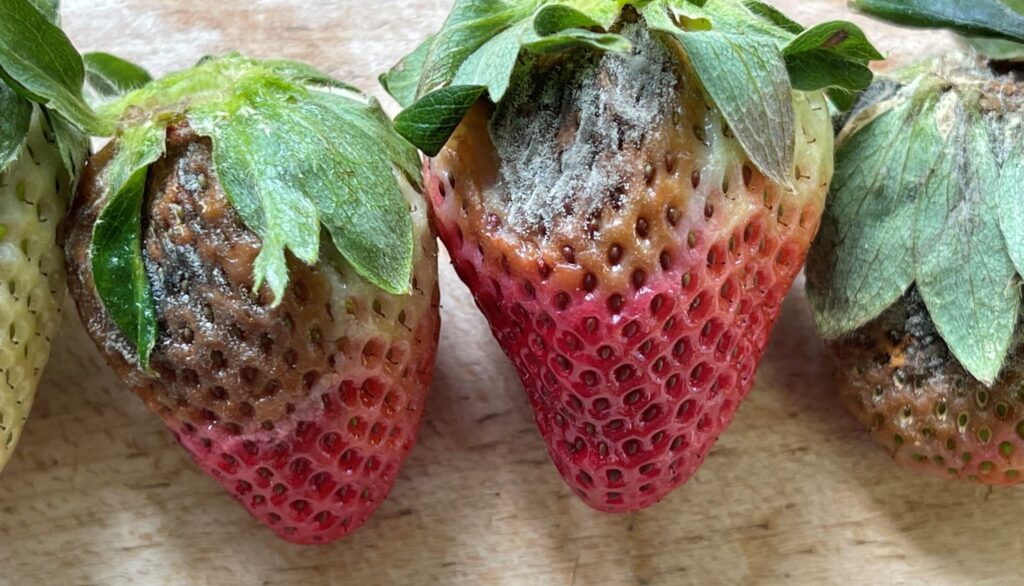
As a strawberry enthusiast, you want to ensure that your plants thrive throughout the growing season. However, two common threats can compromise your harvest: the grey mould and the specialist parasite of strawberries. In this article, we’ll delve into these issues, explore their symptoms, prevention methods, and effective treatments.
What is Grey Mould?
Grey mould is a fungal infection that affects other plants besides strawberries. It’s characterized by a greyish colour on affected leaves and fruits. If left untreated, the infected tissue dies, rendering the strawberries inedible. Rainy springs increase the risk of grey mould infections.
Symptoms of Grey Mould
Look out for these signs of grey mould:
• A greyish tint on leaves and especially fruits
• Infected areas should be removed and destroyed to prevent further spread
• Wilting or yellowing leaves due to water loss
• Discolouration on stems
Grey mould can also lead to a range of secondary infections, including botrytis and powdery mildew. It’s essential to address grey mould promptly to prevent these secondary infections from developing.
Preventing Grey Mould
To avoid a grey mould outbreak, consider these preventive measures:
• Plant strawberry plants at least 12 inches apart to ensure good air circulation
• Use well-draining soil and add compost or manure for improved fertility
• Mulch around the plants with straw or wood chips to keep them dry
• Plant garlic and onions between strawberry beds to repel pests
• Avoid overhead watering, which can lead to fungal spores splashing onto plant leaves
• Keep your strawberry patch free of debris and weeds, as these can harbor fungal spores
Treating Grey Mould
To treat grey mould, try these methods:
• Remove infected areas to prevent further damage
• Sprinkle equisetum (equiseto) macerate on affected plants for repeated treatment
• Use liquid fertilizer based on orthica macerates with or without added onion extract for a more effective solution
• Apply fungicides specifically designed to target grey mould, following the product instructions carefully
It’s essential to note that prevention is key when it comes to grey mould. By implementing these preventive measures, you can significantly reduce your risk of developing this fungal infection.
What is the Specialist Parasite of Strawberries?
The specialist parasite of strawberries, also known as antonomo, is a coleottero that attacks strawberry and raspberry plants. The female insect burrows into the stem and lays eggs in the closed buds, where the larvae hatch. This parasitic infestation can cause wilted and discolored stems.
Symptoms of Antonomo
Watch for these signs of antonomo:
• Wilting or yellowing leaves due to water loss
• Discolouration on stems
• Small holes or tunnels in the stem
Antonomo infestations can be challenging to diagnose, as they may not cause immediate symptoms. Regular monitoring of your strawberry plants is essential to detect these pests early.
Preventing Antonomo
To protect your strawberry plants from antonomo, follow these preventive measures:
• Mulch with felwort fronds in the spring to prevent pests from reaching the plant
• Plant felwort near strawberry beds to repel ants and other pests that can host antonomo larvae
• Use neem oil-based pest control products as a preventative measure
• Avoid overwatering, which can create an ideal environment for antonomo larvae to develop
Treating Antonomo
To treat antonomo, try these methods:
• Apply infusions of tanacetum on affected plants and soil for repeated treatments
• Use neem oil-based pest control products as a last resort
• Monitor your strawberry plants closely after treatment, as antonomo larvae can take several weeks to emerge
It’s essential to note that treating antonomo requires patience and persistence. By using these methods in combination with preventative measures, you can reduce the risk of infestation.
Frequently Asked Questions
- How do I identify grey mould?
Grey mould is identified by its characteristic greyish tint on affected leaves and fruits. - What are the best ways to prevent antonomo?
To protect your strawberry plants from antonomo, use felwort fronds in the spring as a mulch or apply infusions of tanacetum on affected plants and soil for repeated treatments. - How do I treat grey mould?
Remove infected areas, sprinkle equisetum macerate, and use liquid fertilizer based on orthica macerates with or without added onion extract. - Can antonomo be controlled using pesticides?
Neem oil-based pest control products can be used as a last resort to treat antonomo, but it’s essential to follow the product instructions carefully and monitor your plants closely after treatment. - How often should I inspect my strawberry plants for signs of grey mould and antonomo?
Regularly check your strawberry plants for signs of these pests, especially during wet weather. - What are the best practices for mulching to prevent pests?
Use straw or wood chips as a mulch around your strawberry plants, keeping them dry and preventing pests from reaching the plant. - Can I use garlic and onions as a natural pest repellent?
Yes, garlic and onions can be used as a natural pest repellent to deter grey mould and antonomo. - How long does it take for treated antonomo infestations to resolve?
Treated antonomo infestations may require repeated treatments and monitoring to ensure the issue is fully resolved.
By following these tips and best practices, you can enjoy a healthy and productive strawberry harvest while protecting your plants from common pests like grey mould and antonomo. Remember to stay vigilant and monitor your plants regularly to catch any issues early on.
Additional Tips for Managing Grey Mould
- Improve air circulation: Increase air movement around your strawberry plants by planting them in a well-ventilated area or using row covers.
- Use physical barriers: Apply physical barriers like copper tape or sticky tape to the affected areas to prevent fungal spores from spreading.
- Monitor for secondary infections: Regularly inspect your strawberry plants for signs of secondary infections, such as powdery mildew or botrytis.
Additional Tips for Managing Antonomo
- Use diatomaceous earth: Apply diatomaceous earth around the base of your strawberry plants to deter antonomo larvae.
- Plant felwort: Plant felwort near strawberry beds to repel ants and other pests that can host antonomo larvae.
- Monitor for secondary infections: Regularly inspect your strawberry plants for signs of secondary infections, such as powdery mildew or botrytis.
By implementing these additional tips and following the best practices outlined in this article, you can reduce the risk of developing grey mould and antonomo infestations on your strawberry plants.


