
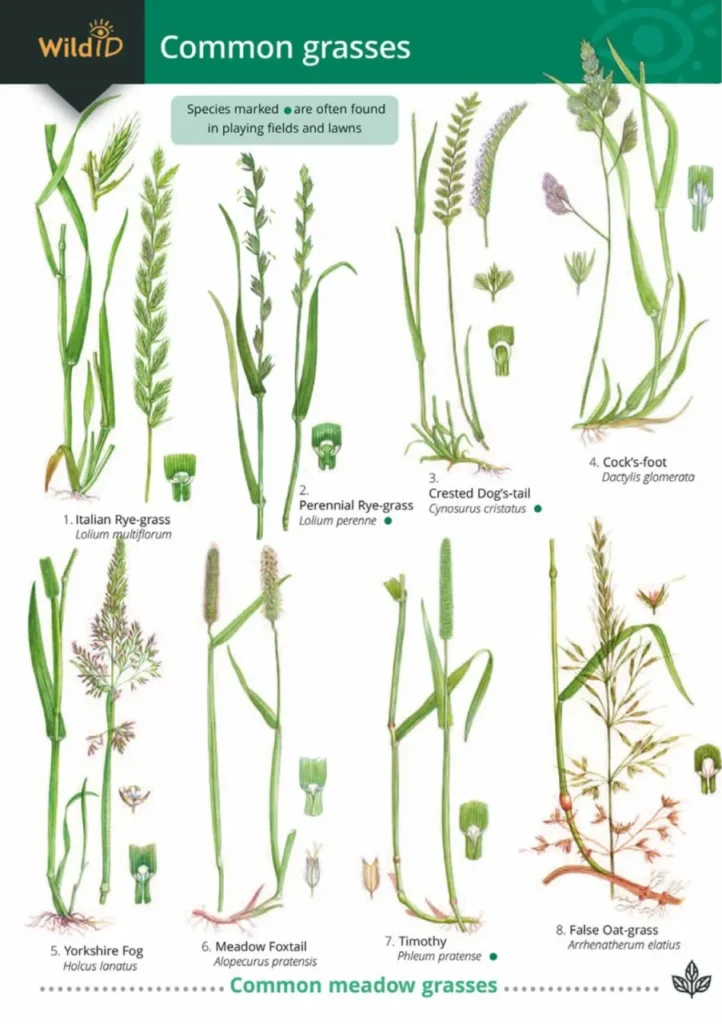
The Graminaceae family, commonly known as grasses or cereals, is one of the largest and most diverse families of flowering plants in the world. This article will delve into the history, significance, and importance of this family, as well as explore its applications, allergens, and how to identify if you have an allergy.
What are Graminaceae?
From a botanical perspective, the term “Graminaceae” refers to a family of plants that includes more than 9,000 species, spread across the globe. This vast diversity is due to the wide range of environments and ecosystems where these plants thrive. However, any list or guide that mentions the Graminaceae family will only scratch the surface, as this list is not exhaustive.
Why are Graminaceae so important?
The Graminaceae family plays a crucial role in sustaining human life and well-being. Many grasses and cereals are cultivated for food, providing essential nutrients and energy for humans. Moreover, these plants have been instrumental in supporting the growth of agriculture, contributing to global food security.
Cereals and Orphaned Plants
The Graminaceae family encompasses a wide range of edible crops, including:
- Oats
- Maize (corn)
- Wheat
- Rye
- Barley
- Sugarcane
- Rice
These crops not only provide sustenance but also have various uses in different parts of the world. Some examples include ornamental plants like bamboo, grasses used for football fields and golf courses.
Ornamental Grasses
The Graminaceae family includes many types of ornamental grasses that add beauty to gardens and landscapes:
- Calamagrostis
- Cortaderia
- Deschampsia
- Festuca
- Melica
- Muhlenbergia
- Stipa
Some of these grasses are also used as edible crops, such as rice. Other types include weeds like wheatgrass and others.
Weeds Causing Allergies
While not all members of the Graminaceae family cause allergies, some species have been known to trigger symptoms in sensitive individuals:
- Paspalum notatum
- Agrostis
- Cyndon
- Poa
- Erba di Bufalo
- Erba centopiedi
- Festuca
- Ryegrass
- Erba di Sant’Agostino
- Zoysia
These weeds often grow in fields and pastures, causing allergic reactions.
Allergies and Symptoms
If you have an allergy to the Graminaceae family, it’s essential to understand the types of symptoms that can occur. These may include respiratory issues, such as hay fever or asthma-like symptoms.
Symptoms typically appear when the pollen from these plants is released into the air. The severity of the symptoms varies depending on individual sensitivities and exposure levels.
Common Allergenic Plants
Some specific plants within the Graminaceae family are known to cause allergies in certain individuals:
- Agropyron repens (Caprinella, Dente canino): A common weed found in fields.
- Anthoxanthum odoratum (Paleo odoroso): A type of grass often used for bedding and animal feed.
- Avena sativa (Avena): Oats are a popular breakfast cereal.
- Cynodon dactylon (Gramigna comune o Erba canina): Also known as Bermuda grass, this is an invasive species in many regions.
Identifying the Problem
If you suspect that you have an allergy to the Graminaceae family, consult with a medical professional for proper diagnosis and treatment. They may recommend tests or provide guidance on managing your symptoms.
It’s also worth noting that some individuals may experience severe reactions to these allergens, particularly if they consume foods containing them.
Conclusion
In conclusion, understanding the importance of the Graminaceae family is crucial for appreciating its role in human life and well-being. While not all members of this family cause allergies, recognizing the types of plants that can trigger symptoms is vital for managing allergic reactions.
Frequently Asked Questions (FAQs)
Q: What are some common edible crops within the Graminaceae family?
- Cereals like oats, maize, wheat, rye, barley, and rice.
- Sugarcane
- Rice
Q: Can people with allergies consume foods containing these plants?
- In moderation, but it’s essential to consult a medical professional for personalized advice.
Q: What types of symptoms can occur due to an allergy to the Graminaceae family?
- Respiratory issues like hay fever or asthma-like symptoms
- Allergic reactions to specific plants within this family


