
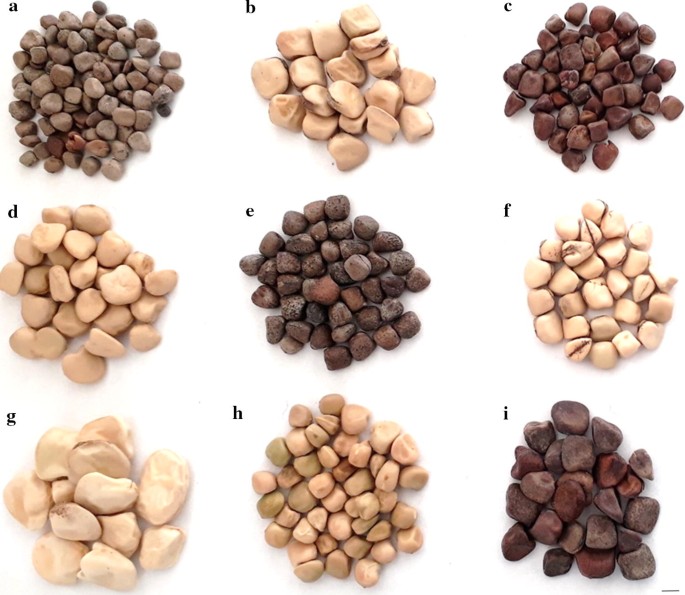
Cicerchie, a type of legume often overlooked in modern cuisine, have been a staple food source for thousands of years. Native to Asia, Africa, and Europe, these nutrient-rich seeds offer a wealth of health benefits when consumed in moderation. In this article, we’ll delve into the history, nutritional properties, and culinary uses of Cicerchie, exploring their potential as a valuable addition to a balanced diet.
A Brief History of Cicerchie
Cicerchia has been cultivated for over 8,000 years, with evidence of its consumption dating back to ancient Mesopotamia. In India, they’re known as “khesari,” and in Italy, they’re often referred to as “pisello d’India” or “pisello d’erba.” Despite being relatively rare in Italian cuisine, Cicerchie have gained recognition as a protected designation of origin product under the EU’s Protected Designation of Origin (PDO) scheme.
Cicerchia was first domesticated in the Middle East around 7,000 years ago. The seeds were highly valued for their nutritional content and versatility in cooking. As trade routes expanded, Cicerchie spread throughout Asia, Africa, and Europe, where they became an integral part of local cuisines.
Nutritional Properties of Cicerchie
Cicerchia is an excellent source of protein, calcium, phosphorus, and various vitamins, including vitamin B and P. It’s also rich in fiber, polphenols, and minerals like iron and potassium. However, they contain a neurotoxin called latirina, which can cause problems if consumed excessively.
The nutrient profile of Cicerchia varies depending on factors such as soil quality, climate, and cultivation methods. Generally speaking, the seeds are high in:
- Protein: 15-20% of their dry weight
- Calcium: 0.5-1% of their dry weight
- Phosphorus: 1-2% of their dry weight
- Fiber: 30-40% of their dry weight
- Polphenols: Various polyphenolic compounds, including flavonoids and phenolic acids
- Minerals: Iron (0.5-1%), potassium (0.5-1%), magnesium, and zinc
To minimize the risk of neurotoxic effects, it’s essential to cook Cicerchia thoroughly by soaking them in salted water for 24 hours and then boiling or pressure-cooking them for an extended period.
The Importance of Moderation
While Cicerchie offers numerous health benefits, it’s essential to consume them in moderation due to their potential neurotoxic effects. Eating large quantities can lead to latirismo, a condition characterized by paralytic spasm of the lower limbs.
To put this into perspective, the recommended daily intake of Cicerchia is approximately 50-100 grams per day. Consuming more than this amount can increase the risk of adverse effects. By varying your diet and cooking methods, you can enjoy Cicerchie while minimizing risks.
Calorie Count and Nutritional Value
A 100g serving of Cicerchia contains approximately 315 kcal, making them comparable in energy content to whole wheat bread or pasta. This nutrient-rich food is an excellent addition to a balanced diet, especially when paired with other wholesome foods like fruits, vegetables, and lean proteins.
Culinary Uses for Cicerchie
Cicerchia can be used in a variety of dishes, from soups and stews to salads and stir-fries. One simple recipe involves soaking the seeds, then cooking them with aromatic herbs like thyme, rosemary, and oregano. You can also use them as a substitute for grains in traditional Italian dishes or add them to veggie burgers.
Some popular ways to incorporate Cicerchia into your diet include:
- Adding them to soups and stews
- Using them as a base for salads
- Incorporating them into stir-fries and sautés
- Mixing them with other legumes, such as lentils or chickpeas
- Using them as a nutritious topping for veggie burgers
Preparing Cicerchie for Consumption
To reduce the risk of neurotoxic effects, it’s essential to cook Cicerchia thoroughly. This involves soaking the seeds in salted water for 24 hours and then boiling or pressure-cooking them for an extended period.
Decorticated Cicerchia (without shells) are also a convenient option for cooking. These pre-cooked seeds can be used in a variety of dishes, from soups to salads.
Cicerchie Recipe: A Hearty Vegetable Stew
Here’s a simple recipe to get you started:
Ingredients:
– 500g cicerchia decorticata
– 1 large onion, chopped
– 2 cloves of garlic, minced
– 4 large tomatoes, diced
– 1 tsp dried oregano
– 1 tsp dried thyme
– Salt and pepper, to taste
– Broth, for cooking
Instructions:
1. Soak the Cicerchia in salted water for 24 hours.
2. Drain and rinse the seeds.
3. In a large pot, sauté the onion and garlic until softened.
4. Add the diced tomatoes, oregano, thyme, salt, and pepper. Cook for an additional 30 minutes.
5. Add the Cicerchia to the stew, along with enough broth to cover the ingredients.
6. Bring the mixture to a boil, then reduce heat and simmer for at least two hours.
Frequently Asked Questions
- What are the health benefits of Cicerchie?
Cicerchia is an excellent source of protein, calcium, phosphorus, vitamins B and P, fiber, polphenols, and minerals like iron and potassium. - Are Cicerchie safe to eat in large quantities?
While Cicerchie offers numerous health benefits, consuming large quantities can lead to latirismo, a condition characterized by paralytic spasm of the lower limbs. It’s essential to consume them in moderation and follow proper cooking methods to minimize risks. - How do I prepare Cicerchia for consumption?
To reduce the risk of neurotoxic effects, it’s crucial to cook Cicerchie thoroughly by soaking them in salted water for 24 hours and then boiling or pressure-cooking them for an extended period. - What are some popular dishes that feature Cicerchie?
Cicerchia can be used in a variety of dishes, from soups and stews to salads and stir-fries. One simple recipe involves soaking the seeds, then cooking them with aromatic herbs like thyme, rosemary, and oregano. - Can I substitute Cicerchia with other legumes?
While Cicerchia offers unique nutritional benefits, it can be substituted with other legumes in some recipes. However, keep in mind that different legumes have varying nutrient profiles and cooking requirements.
Conclusion
Cicerchie is a nutrient-rich food that has been a staple for thousands of years. With its rich history, impressive nutritional profile, and versatility in cooking, it’s no wonder why Cicerchia has gained recognition as a protected designation of origin product under the EU’s Protected Designation of Origin (PDO) scheme.
By embracing the culinary possibilities of Cicerchie and incorporating them into your diet, you’ll not only experience a boost in nutritional value but also contribute to preserving this ancient legume’s rich cultural heritage. Whether you’re looking for a new ingredient to add to your favorite recipes or simply seeking to explore the world of international cuisine, Cicerchia is an excellent choice.
So go ahead, give Cicerchie a try! With its unique flavor and impressive nutritional benefits, you’ll be hooked from the very first bite.


