
Introduction
In the world of materials science, there’s a new player in town that’s been making waves. Graphene, a two-dimensional material composed of carbon atoms, has captured the attention of scientists and engineers alike. With its unique properties, graphene is poised to revolutionize various industries, from electronics to energy storage. In this article, we’ll delve into the world of graphene, exploring its applications, production methods, and potential impact on our daily lives.
What is Graphene?
Graphene is a highly conductive material that exhibits exceptional mechanical properties. Composed of carbon atoms arranged in a hexagonal lattice structure, graphene is incredibly strong and lightweight. Its high electrical conductivity makes it an ideal material for electronic devices, while its mechanical flexibility allows for potential applications in fields like medicine and textiles.
Applications of Graphene
1. Electronics
Graphene’s unique properties make it an excellent material for electronic applications. Researchers have developed transistors using graphene, which exhibit higher performance and efficiency compared to traditional silicon-based transistors.
- Flexible Displays: Graphene can be used to create ultra-thin, flexible displays that can bend and fold without compromising performance.
- Sensors: Graphene’s high sensitivity and conductivity make it an ideal material for sensors, enabling applications like gas detection and chemical analysis.
- Computing Devices: Graphene-based computing devices promise faster processing speeds, higher storage capacity, and increased energy efficiency.
2. Energy Storage
Graphene-based batteries promise to revolutionize the way we store energy. With a capacity 20 times greater than conventional lithium-ion batteries, graphene-based batteries could potentially last for decades without needing to be recharged.
- High-Capacity Batteries: Graphene-based batteries have the potential to increase energy storage capacity by up to 20 times that of conventional lithium-ion batteries.
- Long-Lasting Batteries: With their high capacitance and long cycle life, graphene-based batteries could revolutionize portable electronics like smartphones and laptops.
3. Optics and Photonics
Graphene has been used to create ultra-thin, flexible displays that can bend and fold without compromising performance. This technology has the potential to transform the way we consume information, from smartphones to wearables.
- Flexible Displays: Graphene-based displays are more flexible, thinner, and lighter than traditional LCDs or OLEDs.
- Holographic Displays: Researchers have also explored using graphene for holographic displays, enabling immersive, three-dimensional visual experiences.
4. Biomedical Applications
Graphene’s biocompatibility and mechanical properties make it an attractive material for biomedical applications. Researchers have explored its use in medical devices, drug delivery systems, and even implantable sensors.
- Medical Devices: Graphene-based implants could provide real-time monitoring of vital signs or detect diseases like cancer at an early stage.
- Wound Healing: Graphene nanowires can be used to create scaffolds for tissue engineering, promoting faster wound healing and tissue regeneration.
5. Aerospace and Defense
Graphene’s exceptional strength-to-weight ratio and electrical conductivity make it a prime candidate for aerospace and defense applications. It could be used to develop ultra-lightweight yet incredibly strong composites for aircraft and satellites.
- Composite Materials: Graphene-based composites could significantly reduce weight while maintaining or increasing strength, enabling longer-range flights and enhanced payload capacity.
- Thermal Management: Graphene’s high thermal conductivity makes it an ideal material for heat management systems in aerospace applications.
Production Methods
Several methods have been developed to produce graphene, including:
- Mechanical Exfoliation: A technique that involves physically peeling graphene sheets from graphite using a mechanical force.
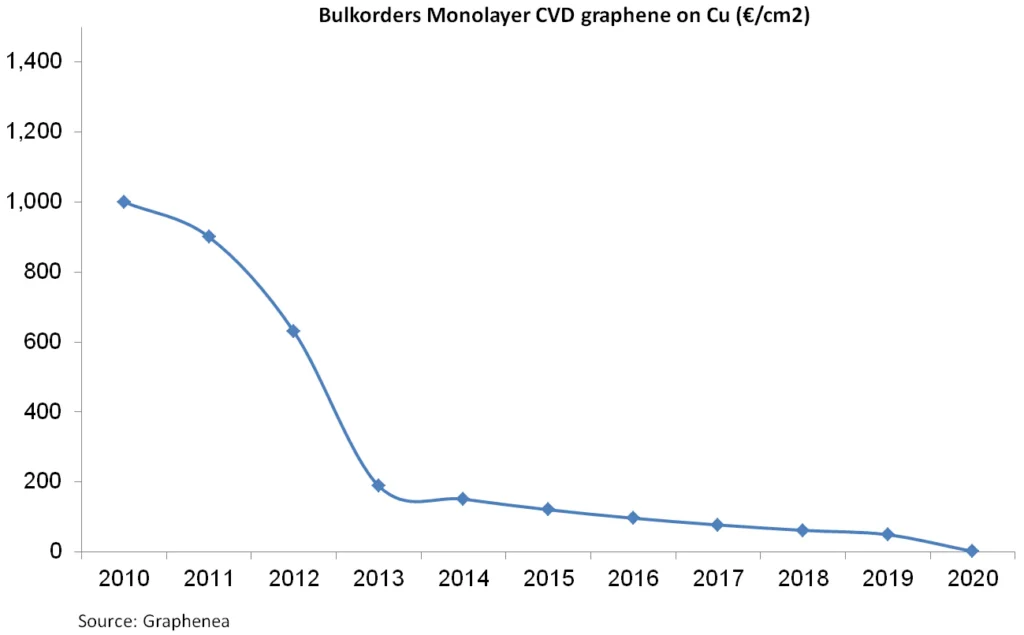
- Chemical Vapor Deposition (CVD): A method that uses a chemical vapor to deposit graphene onto a substrate.
The Future of Graphene
As research continues to advance, we can expect to see graphene-based products become increasingly prevalent in various industries. With its unparalleled properties and potential applications, graphene has the potential to revolutionize the way we live and work.
Why Should You Care?
- Graphene’s exceptional strength-to-weight ratio makes it an ideal material for aerospace and defense applications.
- Its high electrical conductivity enables faster charging times for electronic devices.
- Graphene-based batteries promise to increase energy storage capacity by up to 20 times that of conventional lithium-ion batteries.
What’s Next?
As graphene continues to gain traction, we can expect to see innovative products emerge. From flexible displays to implantable sensors, the possibilities are endless.
Conclusion
Graphene is a material that has captured the imagination of scientists and engineers worldwide. With its exceptional properties and potential applications, it has the power to revolutionize various industries. As research continues to advance, we can expect to see graphene-based products become increasingly prevalent in our daily lives.
Frequently Asked Questions
- What is Graphene?
- Graphene is a two-dimensional material composed of carbon atoms arranged in a hexagonal lattice structure.
- What are the applications of Graphene?
- Graphene has a wide range of potential applications, including electronics, energy storage, optics, biomedical devices, aerospace, and defense.
- How is Graphene produced?
- Graphene can be produced using several methods, including mechanical exfoliation and chemical vapor deposition (CVD).
- What are the benefits of Graphene-based batteries?
- Graphene-based batteries promise to increase energy storage capacity by up to 20 times that of conventional lithium-ion batteries.
- Will Graphene replace Traditional Materials?
- While graphene has exceptional properties, it’s unlikely to completely replace traditional materials in the near future. However, it will likely become a dominant material in various industries as research continues to advance.
Additional Resources
- For more information on Graphene and its applications, visit our Graphene Resource Page.
- Stay up-to-date with the latest news and developments in the world of Graphene by following us on social media.


