
Dashi is a traditional Japanese broth that serves as the base for many popular soups, including miso soup, ramen, and soba. This fundamental ingredient is essential in Japanese cuisine, and its rich flavor profile is what sets it apart from other broths.
The History of Dashi
Dashi has been an integral part of Japanese cooking for centuries, with records dating back to the 10th century. The traditional recipe involves a combination of dried fish (katsuobushi), seaweed (kombu), and sometimes other ingredients like bonito flakes or rice. Modern variations have emerged, including vegetarian and vegan options.
Making Dashi at Home: A Simple Recipe
To make dashi at home, you’ll need the following ingredients:
- Katsuobushi (dried fish)
- Kombu (seaweed)
- Optional: bonito flakes or other ingredients
Here’s a basic recipe to get you started:
- Rehydrate kombu: Soak the kombu in water for at least an hour to release its natural umami flavor.
- Prepare katsuobushi: Cut the dried fish into small pieces and rehydrate them by soaking them in hot water for a few minutes.
- Combine ingredients: Add the kombu, katsuobushi, and other optional ingredients (like bonito flakes) to a large pot of water.
- Simmer: Bring the mixture to a boil, then reduce heat and simmer for at least an hour to extract the flavors.
The Art of Granulated Dashi
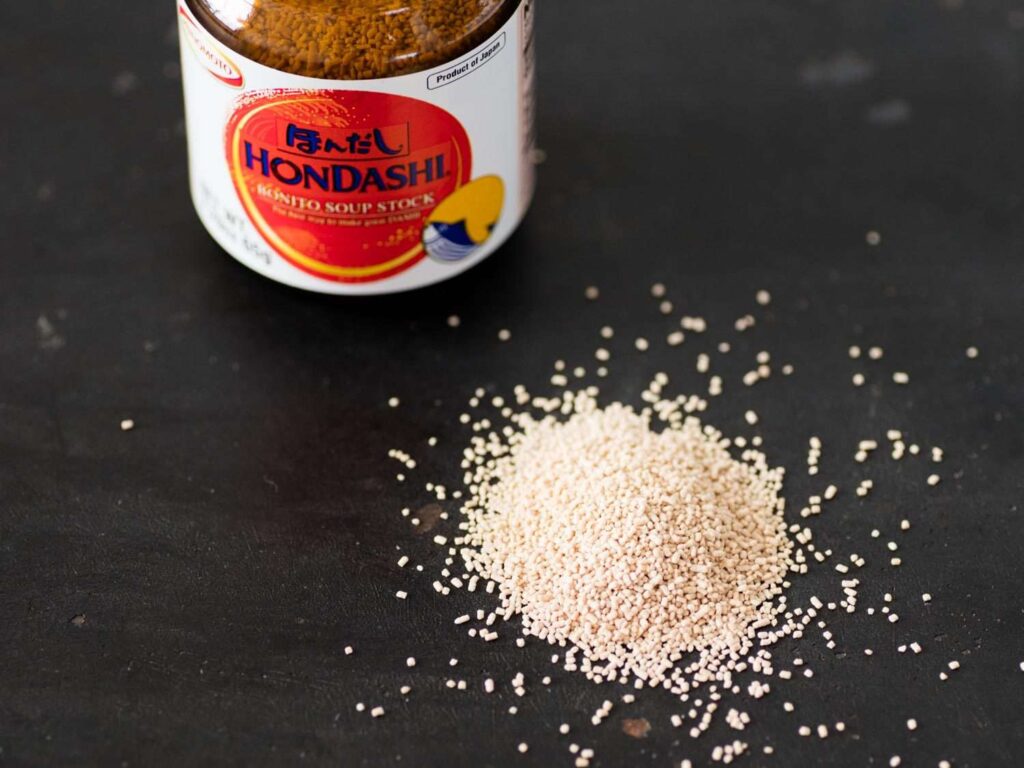
Granulated dashi is a popular alternative to traditional homemade dashi. This concentrated form of the broth offers a more intense umami flavor, making it perfect for adding depth to dishes like ramen or soba. To create granulated dashi, simply evaporate excess water from your homemade dashi and mix it with other ingredients (like rice or spices) to achieve the desired consistency.
Umami: The Fifth Taste
Umami is often referred to as the “fifth taste,” in addition to sweet, sour, salty, and bitter. This savory flavor is responsible for the rich, meaty taste of dashi. To capture this essence, use ingredients like katsuobushi, kombu, or other umami-rich foods.
Vegetarian Dashi: A Game-Changer
Traditional dashi recipes rely on fish or other animal products for their umami flavor. However, vegetarians can easily create a plant-based version using ingredients like wakame seaweed, shiitake mushrooms, and soy sauce. This vegetarian dashi is perfect for those looking to explore the world of Japanese cuisine without sacrificing flavor.
Tips for Using Dashi in Your Cooking
- Use high-quality ingredients: Fresh kombu and katsuobushi will result in a more flavorful broth.
- Experiment with ratios: Adjust the amount of kombu and katsuobushi to achieve your desired level of umami.
- Add aromatics: Onions, garlic, and ginger can add depth to your dashi.
Conclusion
Dashi is an essential component of Japanese cuisine, offering a rich, savory flavor that elevates dishes like ramen, soba, and miso soup. With this guide, you’ll learn how to make traditional dashi at home, as well as explore variations like granulated dashi and vegetarian options. Whether you’re a seasoned chef or a curious cook, dashi is sure to become your new favorite ingredient.
FAQs
- What is the difference between dashi and miso soup?
Dashi is a fundamental ingredient in Japanese cooking, while miso soup is a specific dish that uses dashi as its base. - How do I make vegetarian dashi?
Use wakame seaweed, shiitake mushrooms, and soy sauce to create a plant-based version of traditional dashi. - Can I use instant dashi granules in my recipes?
While instant dashi granules can be convenient, they often lack the rich flavor and depth of traditional homemade dashi. For best results, use fresh or homemade dashi instead. - What is the role of kombu in dashi?
Kombu seaweed provides a natural source of umami flavor and helps to extract the flavors from other ingredients. - How do I store dashi for future use?
Store dashi in an airtight container in the refrigerator for up to 3 days or freeze it for later use.


