
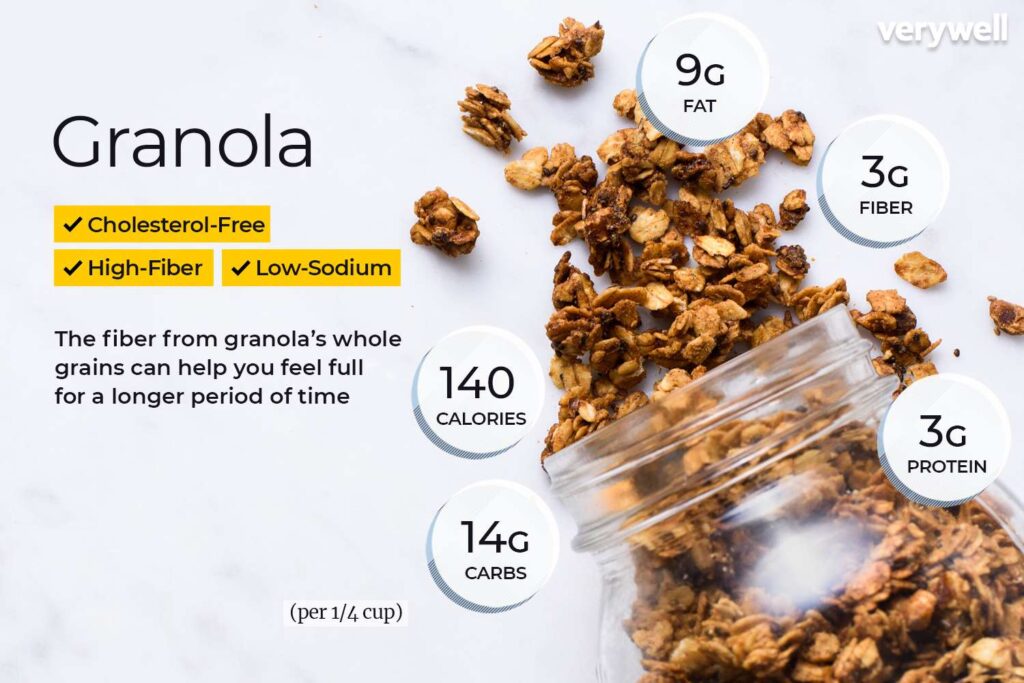
Granola, a popular breakfast cereal made from a mixture of oats, nuts, seeds, and dried fruits, has been gaining traction in recent years. Despite its simplicity, granola offers numerous health benefits, making it an excellent addition to one’s diet. In this article, we will delve into the world of granola, exploring its ingredients, nutritional value, and the various benefits it provides.
What is Granola?
Granola is a combination of various ingredients, including:
- Cereals (oats, wheat, etc.)
- Dried fruits (cranberries, raisins, etc.)
- Nuts (almonds, walnuts, etc.)
- Seeds (sunflower seeds, pumpkin seeds, etc.)
- Dried vegetables (carrots, beets, etc.)
Unlike muesli, a similar breakfast cereal, granola is cooked in the oven to enhance its nutritional value and texture.
The History of Granola
Granola originated in Australia and gained popularity among English-speaking countries. Its rise in Italy and other parts of the world has been meteoric, with many brands now offering their own versions of this healthy breakfast option.
Making Granola at Home: A Simple Recipe
Preparing granola at home is easy and rewarding. Simply combine your preferred ingredients, including oats, nuts, seeds, and dried fruits, and cook them in the oven until golden brown. Here’s a simple recipe to get you started:
Ingredients:
- 200g rolled oats
- 50g sunflower seeds
- 30g almonds
- 30g pumpkin seeds
- 30g cranberries
- 80g chocolate chips
- 50g honey
- 40ml olive oil
Instructions:
- Preheat your oven to 150°C (300°F).
- In a large bowl, mix together the oats, sunflower seeds, almonds, pumpkin seeds, and cranberries.
- In a separate bowl, combine the honey and olive oil.
- Pour the honey-oil mixture over the oat mixture and stir until everything is well combined.
- Spread the mixture onto a baking sheet lined with parchment paper.
- Bake for 20-25 minutes or until golden brown.
- Remove from the oven and let cool.
Nutritional Benefits of Granola
Granola offers numerous health benefits, including:
- Energy Boost: Granola is rich in complex carbohydrates, which provide sustained energy throughout the day.
- Digestive Health: The high fiber content in granola helps regulate bowel movements and prevent constipation.
- Immune System Support: Granola contains a variety of vitamins and minerals that help boost the immune system.
- Weight Management: Granola is low in calories and rich in fiber, making it an excellent snack for those trying to lose weight.
Benefits Specific to Women
For women, granola offers additional benefits:
- Hormone Regulation: The antioxidants in granola may help regulate hormone levels, reducing the risk of menstrual cramps, bloating, and other symptoms associated with PMS.
- Skin Health: Granola is rich in vitamins A, C, and E, which help protect the skin from damage caused by free radicals.
- Menstrual Relief: The omega-3 fatty acids in granola may help alleviate menstrual cramps and discomfort.
Benefits Specific to Men
For men, granola offers benefits that are equally impressive:
- Mood Enhancement: The tryptophan content in granola helps regulate mood and reduce stress levels.
- Cognitive Function: Granola contains a variety of antioxidants that help protect against age-related cognitive decline.
- Prostate Health: The antioxidants and omega-3 fatty acids in granola may help support prostate health.
Conclusion
Granola is more than just a breakfast cereal – it’s a nutritional powerhouse that offers numerous benefits for both men and women. With its simple recipe and versatility, making granola at home is easier than ever. So go ahead, give granola a try, and discover the countless ways it can enhance your life.
Frequently Asked Questions
- What makes granola so healthy?
Granola contains a variety of essential nutrients, including fiber, vitamins, minerals, and antioxidants. - Can I make my own granola at home?
Yes, making your own granola at home is easy and rewarding. Simply combine your preferred ingredients and cook them in the oven until golden brown. - Is granola suitable for everyone?
Granola is an excellent option for those with dietary restrictions or preferences, including vegetarians, vegans, and gluten-free diets. - Can I add sugar to my granola?
While it’s tempting to add sugar to your granola, doing so can negate many of the health benefits associated with this nutritious breakfast cereal. - How long does granola last?
Homemade granola typically lasts for up to 2 weeks when stored in an airtight container.
Additional FAQs
- What are some common allergens found in granola?
Common allergens include nuts, seeds, and gluten (in gluten-free versions). - Can I make vegan granola?
Yes, making vegan granola is easy by substituting animal-based ingredients with plant-based alternatives. - Is granola suitable for children?
Granola can be an excellent option for children as a healthy breakfast cereal or snack. - Can I store granola in the fridge or freezer?
While it’s not necessary to refrigerate or freeze granola, storing it in an airtight container will help preserve its texture and freshness. - How do I reheat granola?
Reheating granola is simple – simply place it in a pan over low heat or microwave it for a few seconds.
Tips and Variations
- Experiment with different spices: Try adding cinnamon, nutmeg, or ginger to your granola for added flavor.
- Add some heat: Incorporate chili flakes or cayenne pepper into your granola for an extra kick.
- Make it chunky: Add in more nuts, seeds, or dried fruits to create a chunkier granola.
- Try different types of oats: Experiment with different types of oats, such as steel-cut oats or oat groats, for added texture and nutrition.
Conclusion
Granola is a versatile and nutritious breakfast cereal that offers numerous health benefits. With its simple recipe and endless variations, making granola at home is easier than ever. Whether you’re looking to boost your energy levels, support digestive health, or simply add some crunch to your diet, granola is an excellent choice. So go ahead, give it a try, and discover the countless ways it can enhance your life!


