
Introduction to Plant Grafting
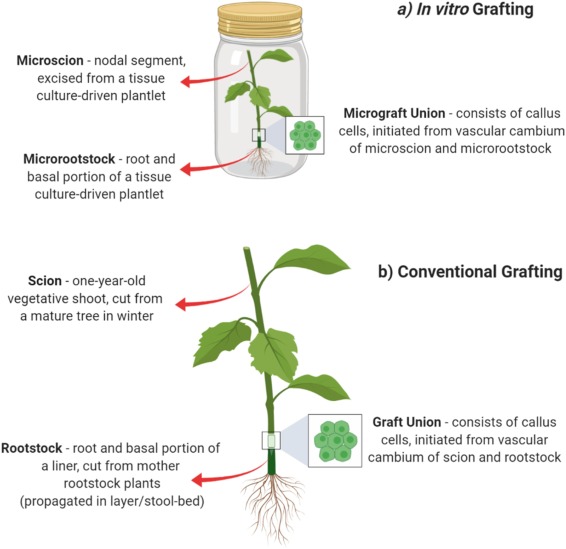
Plant grafting is a centuries-old technique used to combine the roots of one plant with the shoots of another. This method allows for the creation of new, disease-resistant plants and can significantly improve crop yields. In this article, we’ll delve into the world of plant grafting, exploring its benefits, types of grafting, and essential techniques for success.
Choosing the Right Time
The ideal time for grafting depends on the type of plant and climate. Generally, spring and autumn are considered the best seasons for grafting, as they provide optimal conditions for growth. When selecting a grafting date, ensure that both plants are in good health and have sufficient energy reserves.
Preparing Marces and Portainnesto
Marces (also known as scions) are small pieces of stem from the plant you want to combine with another plant’s roots. Choose healthy marces from recent growths, usually between January and February. For portainnesto (rootstock), select a compatible species or variety that matches your desired grafting partner.
Types of Grafting
There are several types of grafting techniques, each with its unique benefits:
- Cellar Grafting: Involves placing marces in small cells within the rootstock.
- Spaced Grafting: Requires making a cut on both the scion and rootstock, then separating them as they heal.
- Incastrated Grafting: Combines marces using a natural fit between the two plants’ structures.
- Bridge Grafting: A specialized technique used to repair damaged or diseased roots.
Three Essential Rules for Successful Grafting
- Secure Fusions: Use specialized adhesive materials (mastics) to hold the scion in place and promote healing.
- Seal Wounds: Protect the grafted area from damage by applying a sealant, such as rafia or nastro isolante.
- Monitor Growth: Keep an eye on the newly grafted plant’s progress, ensuring it receives adequate care and nutrients.
Choosing the Right Tools for Grafting
For optimal results, select high-quality tools specifically designed for grafting:
- Forbici da innesto (grafting knives) with sharp blades for clean cuts
- Coltelli da innesto (grafting saws) for precise cuts on thicker stems
- Innestatrice (grafting machines) for efficient and accurate grafting
Common Mistakes to Avoid
When attempting plant grafting, be aware of the following common pitfalls:
- Over-handling or damage to the scion during preparation
- Incorrect placement of marces on the rootstock
- Failure to secure fusions or seal wounds
By understanding the principles and techniques outlined above, you can successfully undertake plant grafting. Keep in mind that practice makes perfect, so don’t be discouraged if your first attempts yield mixed results. With patience and dedication, you’ll soon become proficient in this valuable horticultural technique.
Frequently Asked Questions
- Q: What is the best time of year for grafting plants?
A: Spring and autumn are generally considered ideal seasons for grafting due to optimal growth conditions. - Q: How often should I perform routine grafting checks?
A: Regularly inspect your grafted plants for signs of disease, pests, or nutrient deficiencies to ensure successful integration. - Q: Can I graft different plant species together?
A: While some plant combinations can work well, others may not be compatible due to various factors such as growth habits, tolerance, and compatibility.
Conclusion
Plant grafting is an art that requires patience, attention to detail, and a willingness to learn. By mastering the essential techniques outlined in this guide, you’ll unlock new possibilities for cultivating healthy, thriving plants. Remember, practice makes perfect – don’t be discouraged by setbacks, but instead, use them as opportunities to refine your skills.
FAQs
- What is the most common reason why plant grafting fails?
The primary cause of failure in plant grafting lies in inadequate preparation or incorrect handling techniques. - Can I graft plants together without a rootstock?
Yes, some plants can be grafted onto another plant’s stem using various methods such as budding or cutting. - Is it possible to graft multiple plants at once?
While feasible for certain types of plants, it is generally recommended to limit the number of grafts per session due to increased stress on both scion and rootstock.
Further Reading
For those interested in exploring further, consider consulting with experienced horticulturists or researchers who specialize in plant grafting techniques.


