
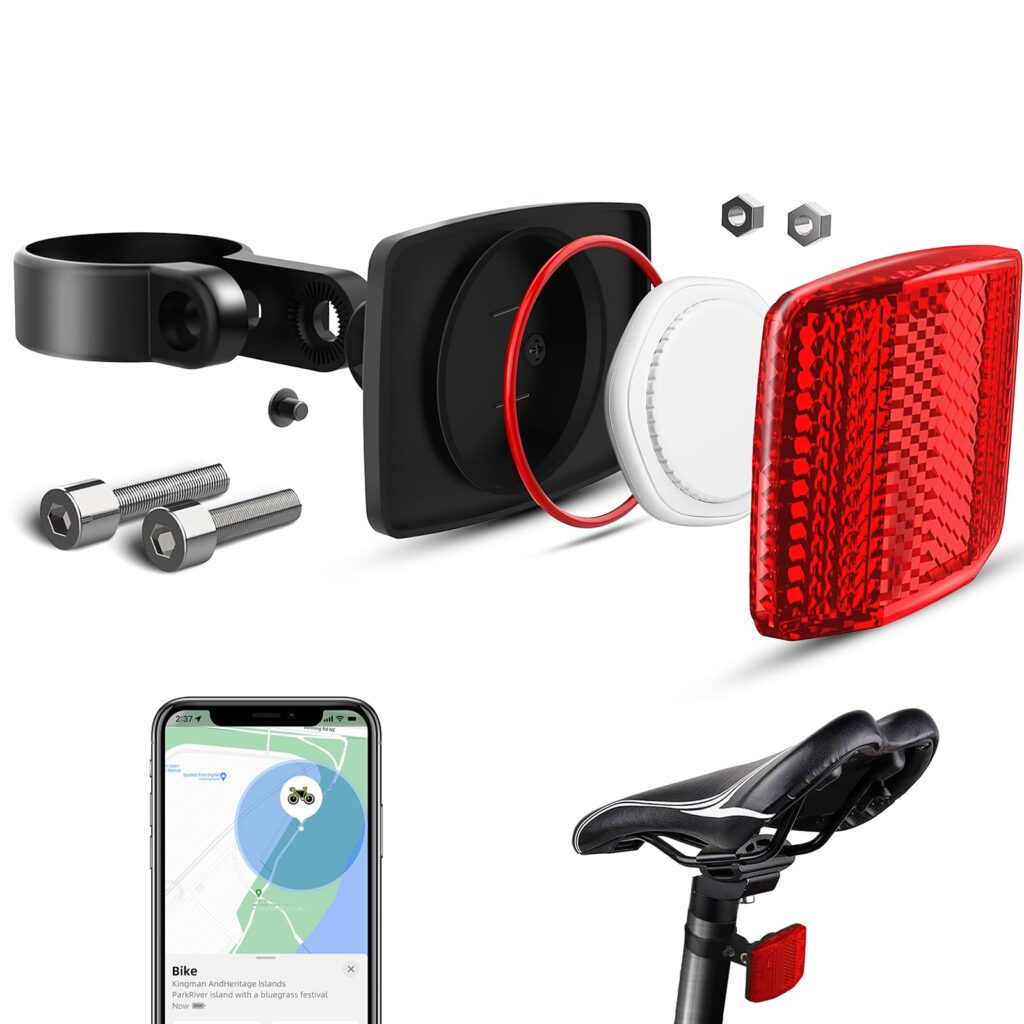
When it comes to navigating the roads on two wheels, cyclists are always looking for ways to improve their performance and safety. One of the most popular solutions is using a GPS device specifically designed for cycling. But how does it compare to using a smartphone with a GPS app? In this article, we’ll explore the pros and cons of each option and provide you with a comprehensive guide to choosing the best GPS solution for your bike.
What is a GPS Device for Bicycles?
A GPS device for bicycles is a specialized navigation system that provides turn-by-turn directions, maps, and other features specifically designed for cyclists. These devices are typically compact, lightweight, and waterproof, making them easy to mount on your bike handlebars or seatpost.
GPS devices for bicycles use satellite technology to provide location information, allowing you to track your route, speed, distance, and elevation gain. They often come with additional features such as:
- Route planning: Create and share routes with friends and family
- Map storage: Access to maps covering various regions and countries
- Connectivity: Integration with your smartphone for turn-by-turn directions and real-time updates
- Safety features: Alert you to hazards on the road, such as sharp turns or potholes
Types of GPS Devices for Bicycles
There are several types of GPS devices available for bicycles, ranging from basic models with limited features to advanced units with advanced functions like heart rate monitoring and power meter integration. Some popular brands include:
- Garmin: Known for their high-end GPS devices with advanced features
- CycloGPS: Offers a range of GPS devices designed specifically for cycling
- MapMyRide: Provides GPS devices and apps for cyclists, with features like route planning and map storage
Garmin GPS Bicycles: A Popular Choice
Garmin is one of the most well-known brands in the GPS navigation market, and their GPS devices for bicycles are no exception. Their Edge Touring model, priced at around $200, offers a range of features including:
- Map storage: Access to maps covering Europe, North America, South America, and other regions
- Route planning: Ability to create and share routes with friends and family
- Connectivity: Integration with your smartphone for turn-by-turn directions and real-time updates
Key Features of Garmin GPS Bicycles
Garmin’s Edge Touring model is an excellent choice for cyclists looking for a comprehensive GPS solution. It offers:
- Advanced route planning features, including the ability to create custom routes and share them with others
- Map storage: Access to maps covering over 200 countries and territories
- Real-time weather updates: Stay informed about weather conditions on the go
- Connectivity: Integration with your smartphone for turn-by-turn directions and real-time updates
Garmin Edge Explore 1000: A High-End Option
The Garmin Edge Explore 1000 is a top-of-the-line GPS device designed specifically for cyclists. It offers advanced features like:
- Heart rate monitoring: Track your heart rate in real-time
- Power meter integration: Connects to power meters for accurate energy expenditure tracking
- Real-time weather updates: Stay informed about weather conditions on the go
Key Features of Garmin Edge Explore 1000
The Garmin Edge Explore 1000 is a high-end GPS device designed specifically for serious cyclists. It offers:
- Advanced heart rate monitoring features, including real-time data and performance analysis
- Power meter integration: Connects to power meters for accurate energy expenditure tracking
- Real-time weather updates: Stay informed about weather conditions on the go
Smartphone GPS Apps: A Budget-Friendly Alternative
While GPS devices can provide a more comprehensive cycling experience, smartphone apps offer a budget-friendly alternative. Many popular cycling apps, such as RoadBike Pro and CycleMap, offer turn-by-turn directions, route planning, and other features specifically designed for cyclists.
Pros and Cons of Smartphone GPS Apps
Smartphone GPS apps offer several benefits, including:
- Affordability: Most smartphone GPS apps are free or low-cost
- Portability: Take your app with you wherever you go
- Weight: Apps take up minimal space on your phone
However, some limitations of smartphone GPS apps include:
- Limited functionality: Some apps may not offer the same level of detail as a dedicated GPS device
- Battery drain: Using a GPS app can quickly drain your phone’s battery
Supporting Your Smartphone GPS App
To maximize your smartphone GPS experience, consider investing in a bike mount or cradle that attaches to your handlebars or seatpost. The OSO Cyclomount Craddle is a popular and affordable option, priced at around $20.
Tips for Using a Smartphone GPS App
- Make sure your phone’s battery is fully charged before using the app
- Use a bike mount or cradle to keep your phone secure and protected while cycling
- Enable location services and GPS on your phone to ensure accurate navigation
FAQs
-
Q: What are the key differences between a dedicated GPS device and a smartphone GPS app?
A: Dedicated GPS devices offer more advanced features like map storage, route planning, and connectivity to your phone, while smartphone apps provide turn-by-turn directions and route planning, but may not offer the same level of detail as a dedicated device. -
Q: How do I choose the right GPS device for my bike?
A: Consider factors like budget, intended use, and features you need. Research different models and read reviews to find the best fit for your cycling needs. -
Q: Can I use a smartphone app with a built-in GPS chip?
A: Yes! Many smartphones come equipped with built-in GPS chips, making it easy to use a GPS app on-the-go. -
Q: Are there any safety concerns associated with using a GPS device or app while cycling?
A: Always follow local traffic laws and regulations when using a GPS device or app while cycling. Be aware of your surroundings and keep an eye on the road ahead. -
Q: Can I share my GPS data with friends or family members?
A: Many GPS devices and apps offer features like route sharing and collaboration, making it easy to share your cycling adventures with others. -
Q: How do I update my GPS device or app with new maps and features?
A: Check the manufacturer’s website for updates and instructions on how to download and install new content. -
Q: Can I use a GPS device or app in areas without cellular coverage?
A: Some GPS devices and apps offer offline capabilities, allowing you to access maps and route information even without cellular coverage. -
Q: How do I troubleshoot common issues with my GPS device or app?
A: Check the manufacturer’s website for troubleshooting guides and FAQs, or contact their support team for assistance.
By understanding the pros and cons of each option, cyclists can make an informed decision about which GPS solution is best suited for their needs. Whether you prefer a dedicated GPS device or a smartphone GPS app, there are many options available to help you navigate the roads with confidence and accuracy.


