
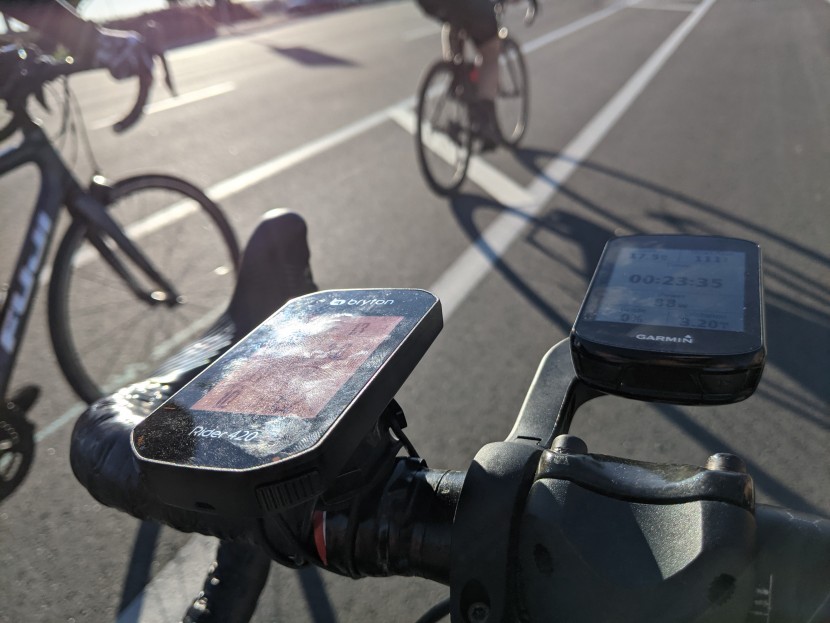
As a cyclist, you know that having the right gear can make all the difference in your riding experience. With so many options available on the market, it can be overwhelming to choose the perfect GPS and cycle computer for your bike. In this article, we’ll take a closer look at the different types of GPS and cycle computers, their features, and what you need to consider when making a purchase.
A Brief History of Cycle Computers
Cycle computers, also known as GPS units or computer pedals, have come a long way since their inception. From simple, basic devices that measured speed and distance, to sophisticated systems that track performance metrics and provide real-time data, these devices have evolved significantly over the years. Today, cycle computers are an essential tool for serious cyclists, offering a wealth of information that helps riders optimize their training and improve their overall performance.
How Cycle Computers Work
At its core, a cycle computer is essentially a device that measures your bike’s speed, distance, and other performance metrics, and displays this data in real-time. However, modern cycle computers have become so much more than just simple speedometers. They now offer a range of advanced features, including GPS tracking, heart rate monitoring, power measurement, and more.
Types of Cycle Computers
There are several types of cycle computers available on the market, each with its own unique set of features and benefits. Here are some of the most common types:
- Basic Cycle Computers: These devices measure speed, distance, and time, but offer few additional features.
- GPS Cycle Computers: These units combine GPS tracking with other performance metrics, offering a more comprehensive picture of your ride.
- Advanced Cycle Computers: These devices offer a range of advanced features, including heart rate monitoring, power measurement, and real-time data analysis.
Key Features to Consider
When choosing a cycle computer, there are several key features you’ll want to consider. Here are some of the most important:
- GPS Accuracy: Look for a device with high GPS accuracy, ideally 1-2 meters.
- Heart Rate Monitoring: If you’re interested in tracking your heart rate during rides, look for a device that supports this feature.
- Power Measurement: If you want to track your power output during rides, look for a device that supports this feature.
- Screen Size and Resolution: Consider the size and resolution of the screen, as well as any additional features such as Bluetooth connectivity or Wi-Fi.
- Battery Life: Look for a device with a battery life that meets your needs, ideally lasting several hours on a single charge.
Top Cycle Computer Brands
There are several top cycle computer brands available on the market, each with its own unique set of features and benefits. Here are some of the most popular:
- Garmin: Known for their high-end GPS devices, Garmin offers a range of cycle computers that track performance metrics and provide real-time data.
- Polar: Polar is another well-known brand that offers a range of cycle computers with advanced features such as heart rate monitoring and power measurement.
- Sigma: Sigma is a popular choice among cyclists, offering a range of cycle computers that are affordable and feature-rich.
Comparison of Different Cycle Computer Models
Here’s a comparison of some different cycle computer models to help you make an informed decision:
| Model | GPS Accuracy | Heart Rate Monitoring | Power Measurement | Screen Size and Resolution |
|---|---|---|---|---|
| Garmin Edge 1030 Plus | 1-2 meters | Yes | No | 240×240 pixels, 3.5 inches |
| Polar Vantage V2 | 1-2 meters | Yes | Yes | 320×240 pixels, 2.1 inches |
| Sigma Sport Speed Sensor | 1-2 meters | No | No | 160×128 pixels, 2.2 inches |
How to Choose the Right GPS and Cycle Computer for Your Bike
Choosing the right GPS and cycle computer for your bike can be a daunting task, but here are some tips to help you make an informed decision:
- Consider Your Riding Style: If you’re a beginner or casual rider, a basic cycle computer may suffice. However, if you’re a serious cyclist who wants advanced features such as heart rate monitoring and power measurement, consider investing in a more advanced device.
- Think About the Features You Need: Consider what features are most important to you, such as GPS accuracy, heart rate monitoring, or power measurement. Make sure the cycle computer you choose has these features.
- Research Different Brands and Models: Research different brands and models to find one that meets your needs and budget.
- Read Reviews and Ask for Advice: Read reviews from other cyclists to get a sense of how well a particular device performs. Ask for advice from cycling experts or online forums to get more information.
Advanced Cycle Computer Features
Some advanced cycle computers offer features such as:
- Heart Rate Monitoring: This feature allows you to track your heart rate during rides, which can be useful for tracking performance and recovery.
- Power Measurement: This feature allows you to track your power output during rides, which can be useful for optimizing training and improving performance.
- Real-Time Data Analysis: Some advanced cycle computers offer real-time data analysis, which can help you optimize your training and improve performance.
Tips for Setting Up Your Cycle Computer
Setting up a new cycle computer can seem intimidating, but here are some tips to make the process easier:
- Read the User Manual: Read the user manual thoroughly to understand how to set up and use the device.
- Download Software Updates: Download software updates regularly to ensure you have the latest features and improvements.
- Calibrate the Device: Calibrate the device according to the manufacturer’s instructions to ensure accurate GPS data.
Common Issues with Cycle Computers
Here are some common issues that cyclists may encounter when using cycle computers:
- GPS Accuracy Issues: Some devices may experience GPS accuracy issues, such as poor signal strength or intermittent connectivity.
- Battery Life Issues: Some devices may have battery life issues, such as running out of power too quickly.
- ** Connectivity Issues**: Some devices may experience connectivity issues, such as failing to connect to a Bluetooth device.
Troubleshooting Common Issues with Cycle Computers
Here are some tips for troubleshooting common issues with cycle computers:
- Consult the User Manual: Consult the user manual thoroughly to understand how to troubleshoot and resolve common issues.
- Contact the Manufacturer’s Support Team: Contact the manufacturer’s support team if you’re experiencing any issues or have questions about your device.
Conclusion
Choosing the right GPS and cycle computer for your bike can seem overwhelming, but by considering the key features you need, researching different brands and models, and taking the time to understand what each device offers, you’ll be well on your way to finding the perfect tool for your riding needs. Remember to prioritize your specific needs, such as GPS accuracy, heart rate monitoring, and power measurement, and don’t be afraid to ask questions or seek advice from cycling experts.
FAQs
- What is a cycle computer, and how does it work?
A: A cycle computer is a device that measures your bike’s speed, distance, and other performance metrics, and displays this data in real-time. - How do I choose the right GPS for my bike?
A: Consider factors such as GPS accuracy, heart rate monitoring, power measurement, screen size and resolution, and battery life when choosing a GPS unit. - What are some common features of advanced cycle computers?
A: Advanced cycle computers often include features such as heart rate monitoring, power measurement, real-time data analysis, and Bluetooth connectivity. - How long does it take to set up a new cycle computer?
A: Setup times vary depending on the device, but most devices can be set up in under an hour. -
Can I use my cycle computer with other fitness tracking devices?
A: Many cycle computers can connect to other fitness tracking devices, such as heart rate monitors or running watches, using Bluetooth or Wi-Fi connectivity. -
How often should I clean and maintain my cycle computer?
A: Regularly clean the device with a soft cloth and avoid exposing it to water or extreme temperatures. - Can I use my cycle computer in the rain?
A: Some devices are water-resistant or waterproof, while others may not be. Always check the manufacturer’s recommendations before using your device in wet conditions. -
How do I troubleshoot common issues with my cycle computer?
A: Consult the user manual or contact the manufacturer’s support team for assistance with troubleshooting common issues such as connectivity problems or battery life concerns. -
Can I use my cycle computer on both road and mountain bikes?
A: Some devices are designed specifically for road or mountain biking, while others may be more versatile. Check the manufacturer’s recommendations before using your device on different types of terrain. - How do I update my cycle computer software?
A: Download software updates regularly to ensure you have the latest features and improvements.


